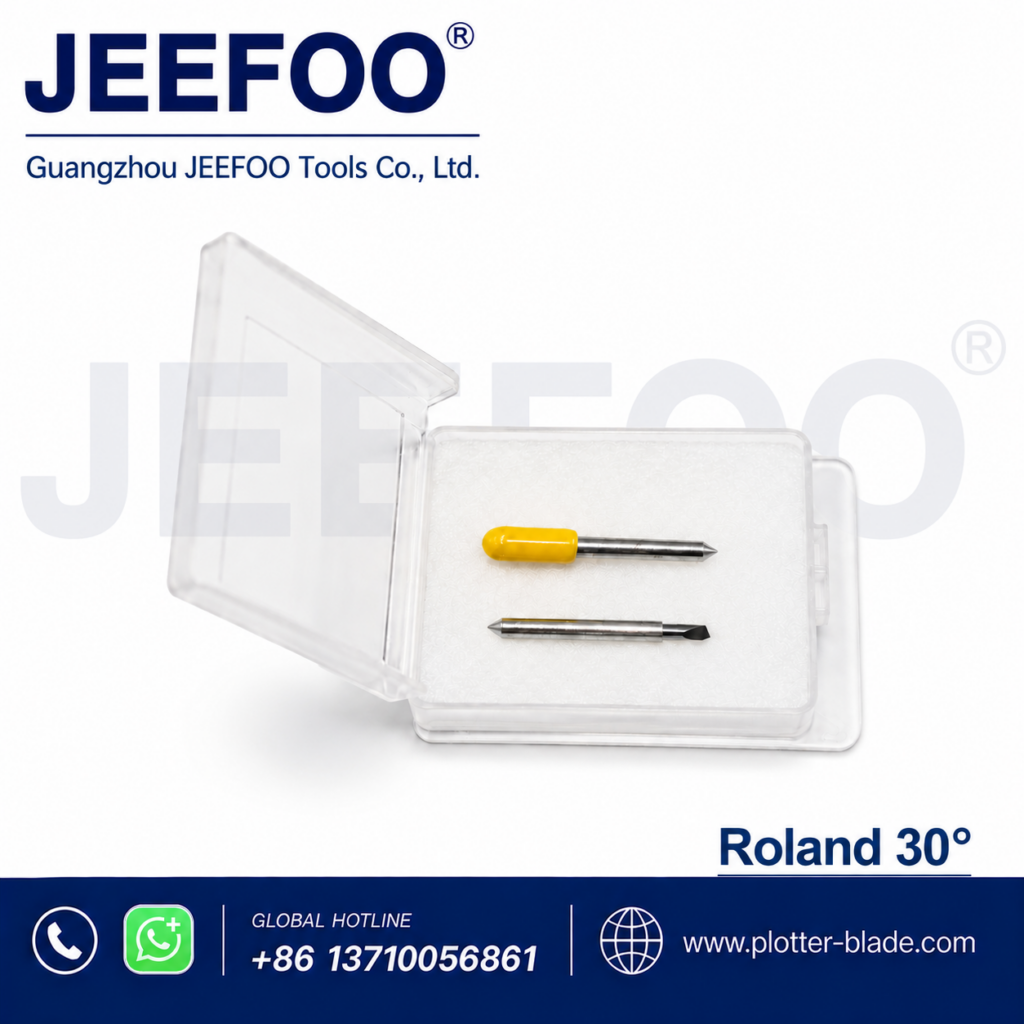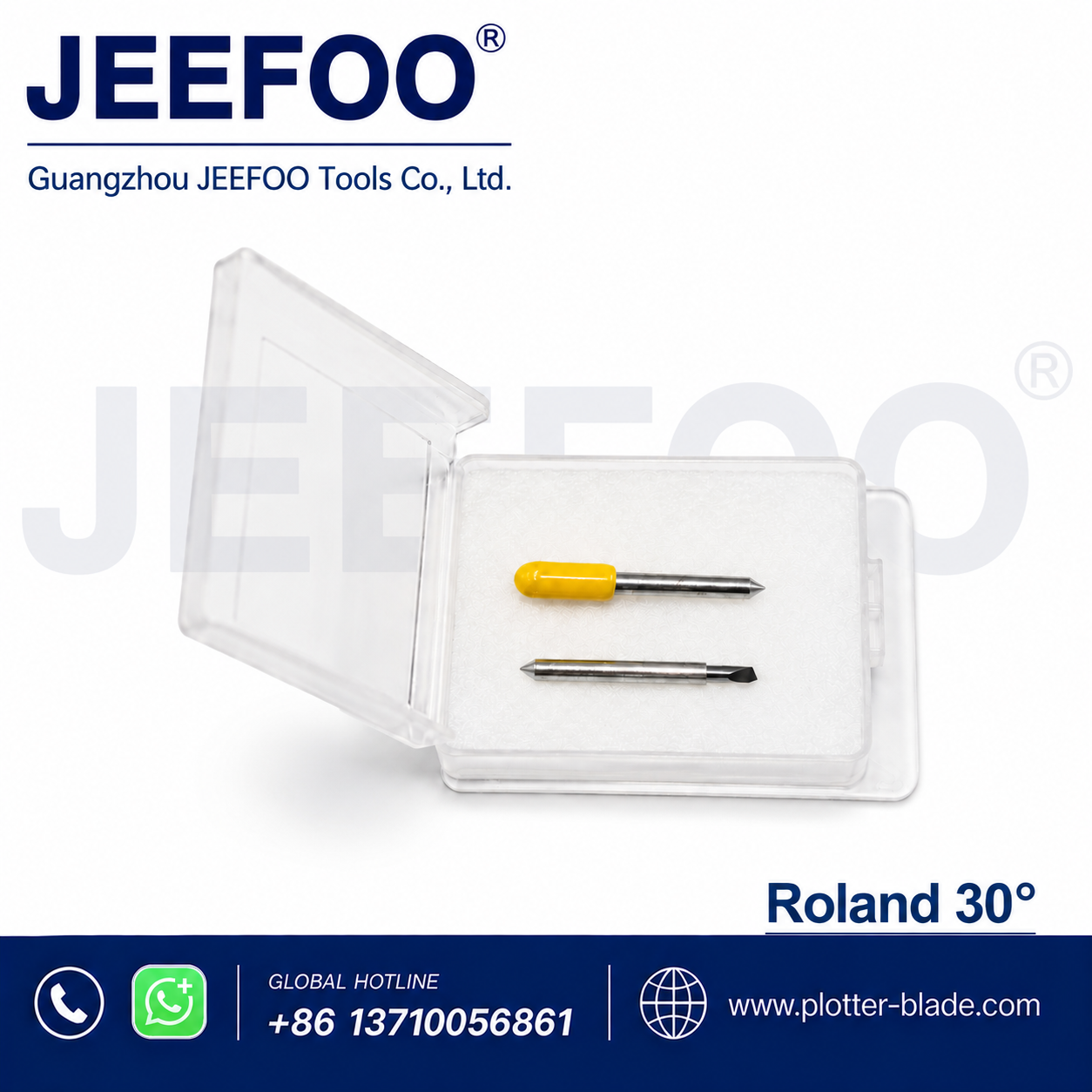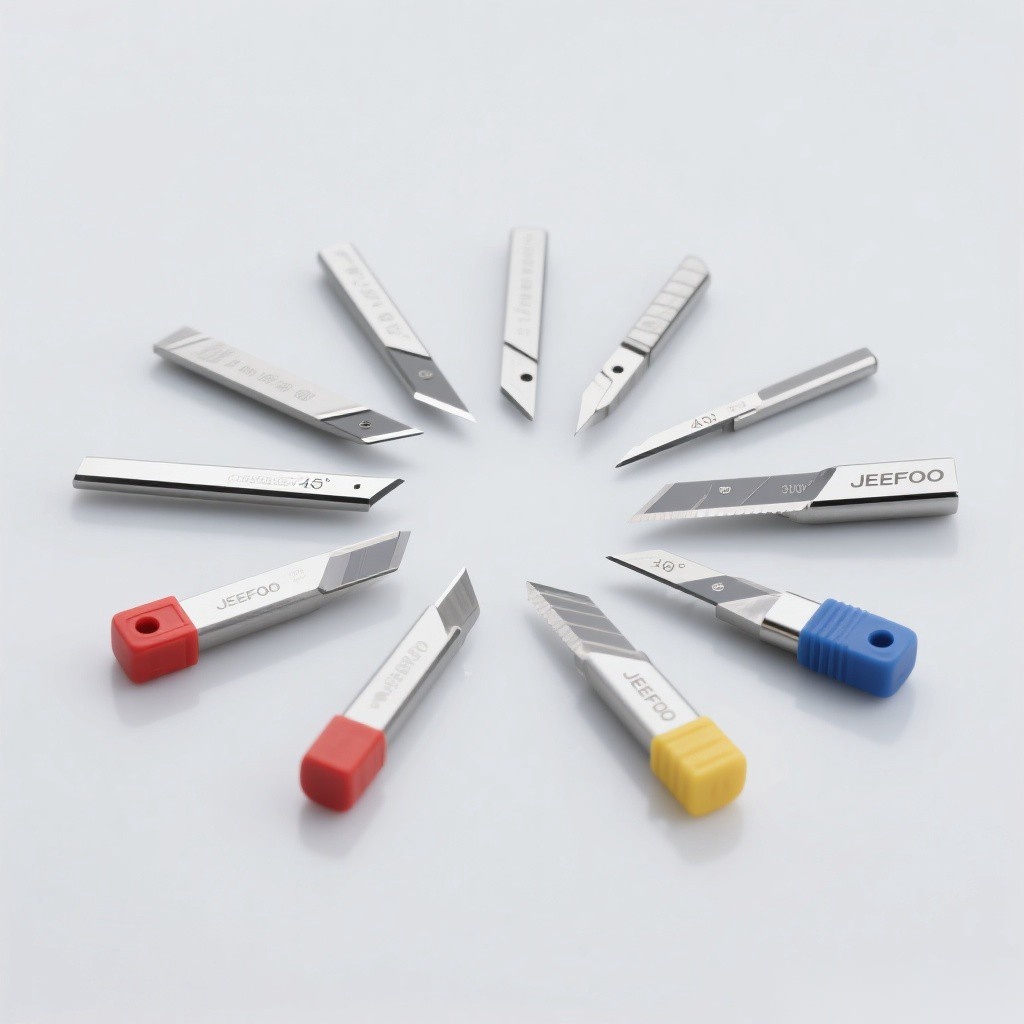
Engraving knife is the core precision tool for carving processing, with high hardness, sharp edge but brittle texture. Improper operation can easily lead to problems such as blade breakage, blade breakage, carving defects, and safety hazards. Standardized use and scientific maintenance can not only ensure carving accuracy and finished product quality, but also effectively extend the service life of cutting tools and reduce processing losses.
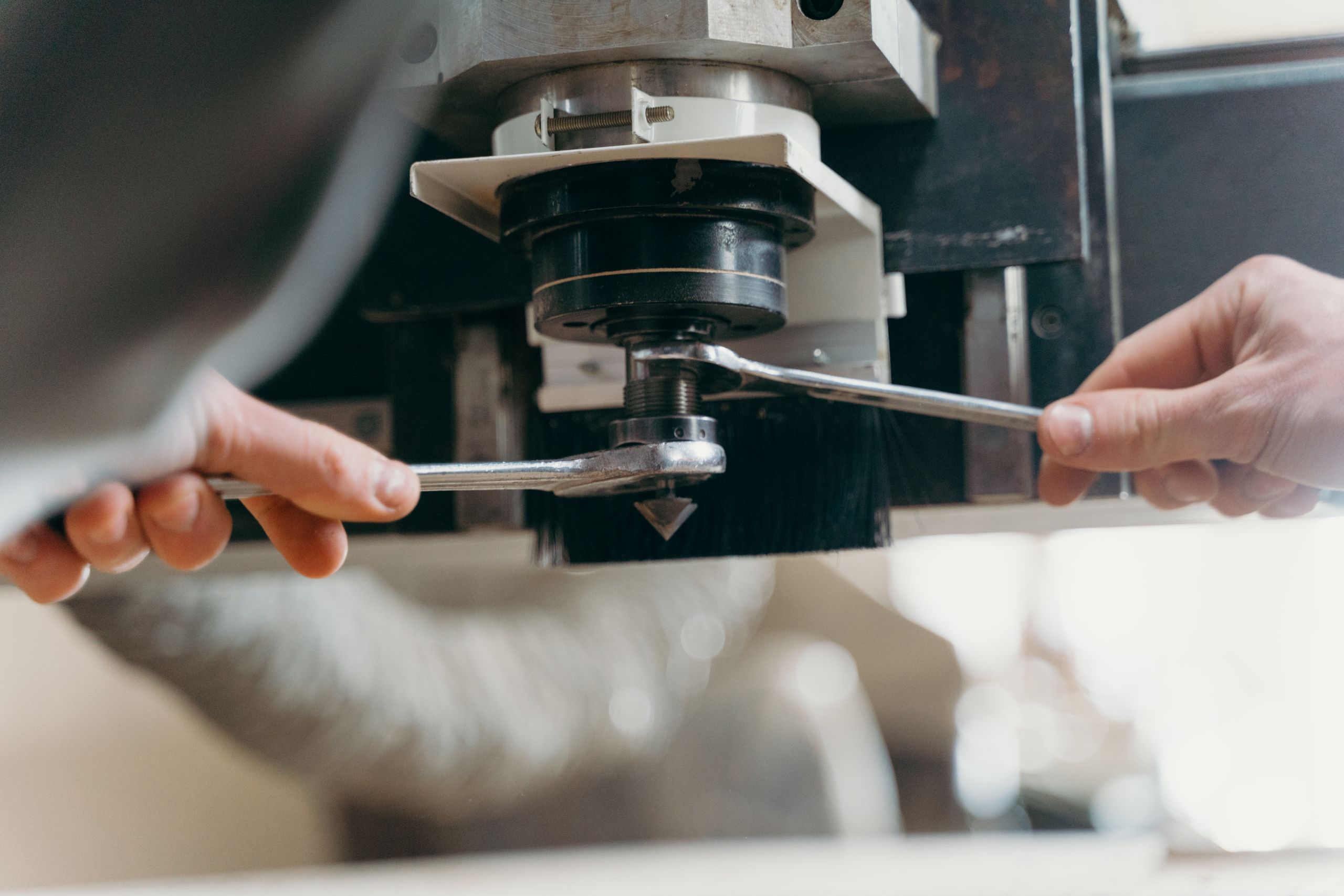
Pre use inspection and tool installation are fundamental key. Before starting the machine, carefully inspect the cutting edge of the tool. Tools with broken edges, cracks, curled edges, or passivation are strictly prohibited from use. At the same time, clean the sawdust, dust, and impurities from the handle and clamp to avoid tool jumping and shaking, which may cause uneven engraving depth. When installing the tool, follow the principle of “short overhang and stable clamping”. The length of the tool extension should meet the processing depth, and the clamping length should not be less than twice the diameter of the tool holder to prevent virtual clamping and short clamping. After installing the tool, be sure to recalibrate the Z-axis to prevent tool collision accidents.
The processing process requires strict adherence to operating standards and control of processing parameters. It is strictly prohibited to cut the knife vertically and forcefully. For fine engraving, oblique or spiral cutting is preferred. Deep carving operations require layered cutting to avoid cutting the edge in a uniform manner. According to acrylic PVC、 Different materials such as wood and metal should be matched with reasonable speed and feed rate to avoid tool annealing failure caused by high speed and high temperature. During processing, keep the workpiece firmly fixed and always pay attention to the operation status of the equipment. If there are any abnormal noises, vibrations, burrs or other problems, stop the machine immediately for troubleshooting.
Daily maintenance and standardized storage cannot be ignored. After processing, clean the tool debris and residual stains with an air gun or soft cloth. Stubborn hot melt residue can be wiped with alcohol. It is forbidden to use a wire brush to polish the cutting edge to prevent damage to the tool coating. After cleaning and drying, apply a thin layer of anti rust oil to avoid rusting of the handle. When stored separately, install a protective cover to prevent the knives from colliding with each other and prevent hidden damage to the cutting edge. In addition, it is necessary to use specialized tools and avoid mixing tools to process materials with significant differences in hardness and hardness, in order to reduce tool wear and tear.
Standardized operation and careful maintenance are the core measures to ensure safe and efficient carving operations, improve processing quality, and save consumable costs. They are also essential basic professional qualities for processing positions.