
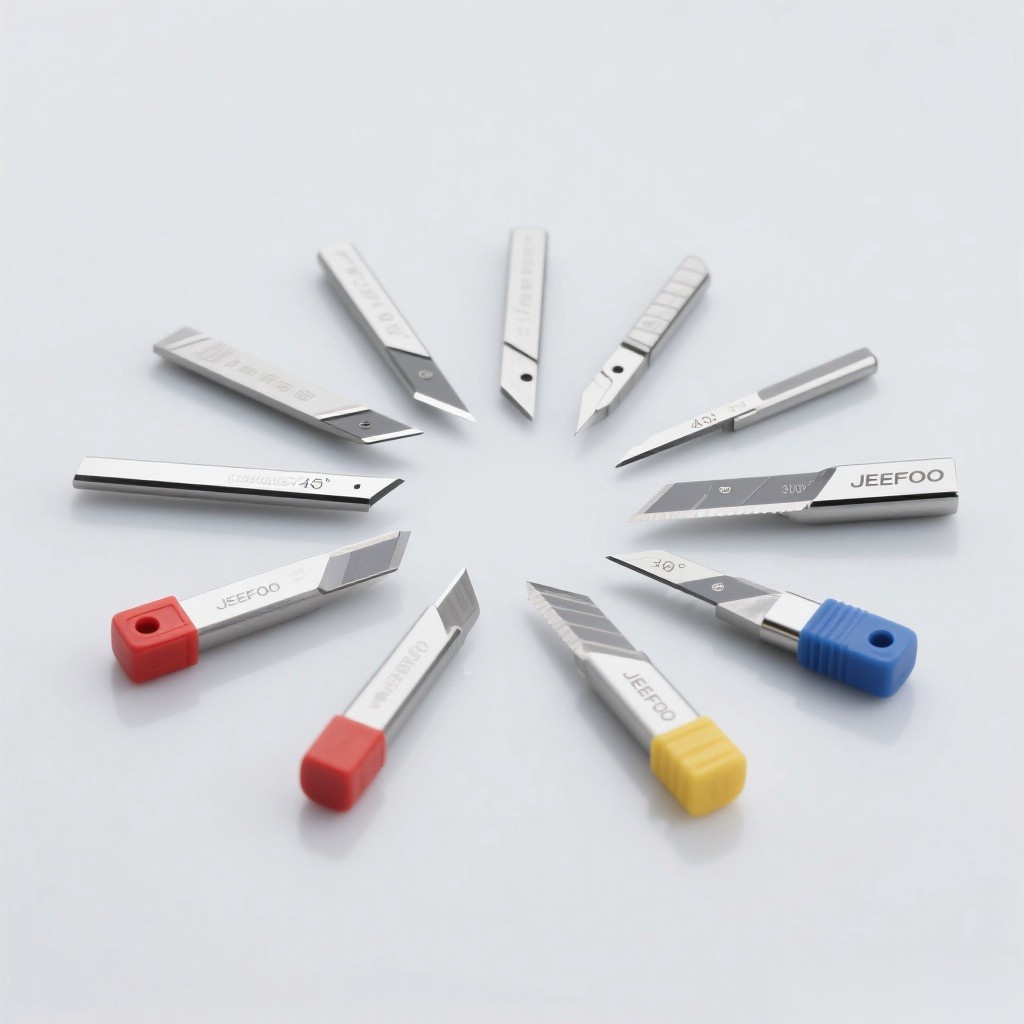
A flat bottom engraving knife is a carbide cutting tool with one spiral cutting edge and a large chip channel. It is designed for fast chip evacuation, low cutting pressure, and clean edges when machining plastics, acrylic, wood composites, aluminum, and other manufacturer-approved materials.
Table of Contents
1. What is a flat bottom engraving knife?
The tool combines a narrow flat tip with a rigid carbide body. Correct tip width, cutting depth, runout, spindle speed, feed rate, and step-over are essential for clean floors, sharp corners, and predictable detail.
2. Key advantages
- Suitable clearance and step-over support efficient chip removal.
- Low cutting pressure helps protect thin or delicate workpieces.
- Sharp carbide geometry produces clean walls and edges.
- The correct tip width supports accurate detail at manufacturer-approved cutting conditions.
- Helical cutting reduces vibration and improves surface finish.
3. Suitable materials and applications
A flat bottom engraving knife is commonly used for acrylic, PVC, ABS, MDF, plywood, aluminum sheet, and other non-ferrous materials. Typical jobs include profile cutting, slotting, pocketing, sign making, panel processing, and batch production. Always confirm that the cutter coating and geometry match the workpiece.
| Material | Primary benefit | Practical note |
|---|---|---|
| Acrylic | Clean edge and chip clearance | Use air blast to prevent chip recutting |
| PVC / ABS | Low heat and cutting force | Avoid rubbing and melted chips |
| MDF / plywood | Fast removal | Use effective dust extraction |
| Aluminum | Large chip channel | Use suitable lubrication and rigid workholding |
4. How to select the right cutter
Match the cutting diameter to the smallest internal radius in the design. Choose a cutting length slightly greater than the workpiece thickness, but avoid unnecessary overhang. A shorter, larger-diameter tool is generally more rigid. Also verify shank diameter, flute direction, coating, and machine collet compatibility.
5. Speed, feed, and chip load
Start with the manufacturer’s recommended parameters. Calculate feed rate from spindle speed, flute count, and target chip load, then make controlled test cuts. Healthy chips carry heat away. Fine dust, discoloration, melting, or a squealing sound can indicate rubbing, excessive speed, or insufficient feed.
6. Setup checklist
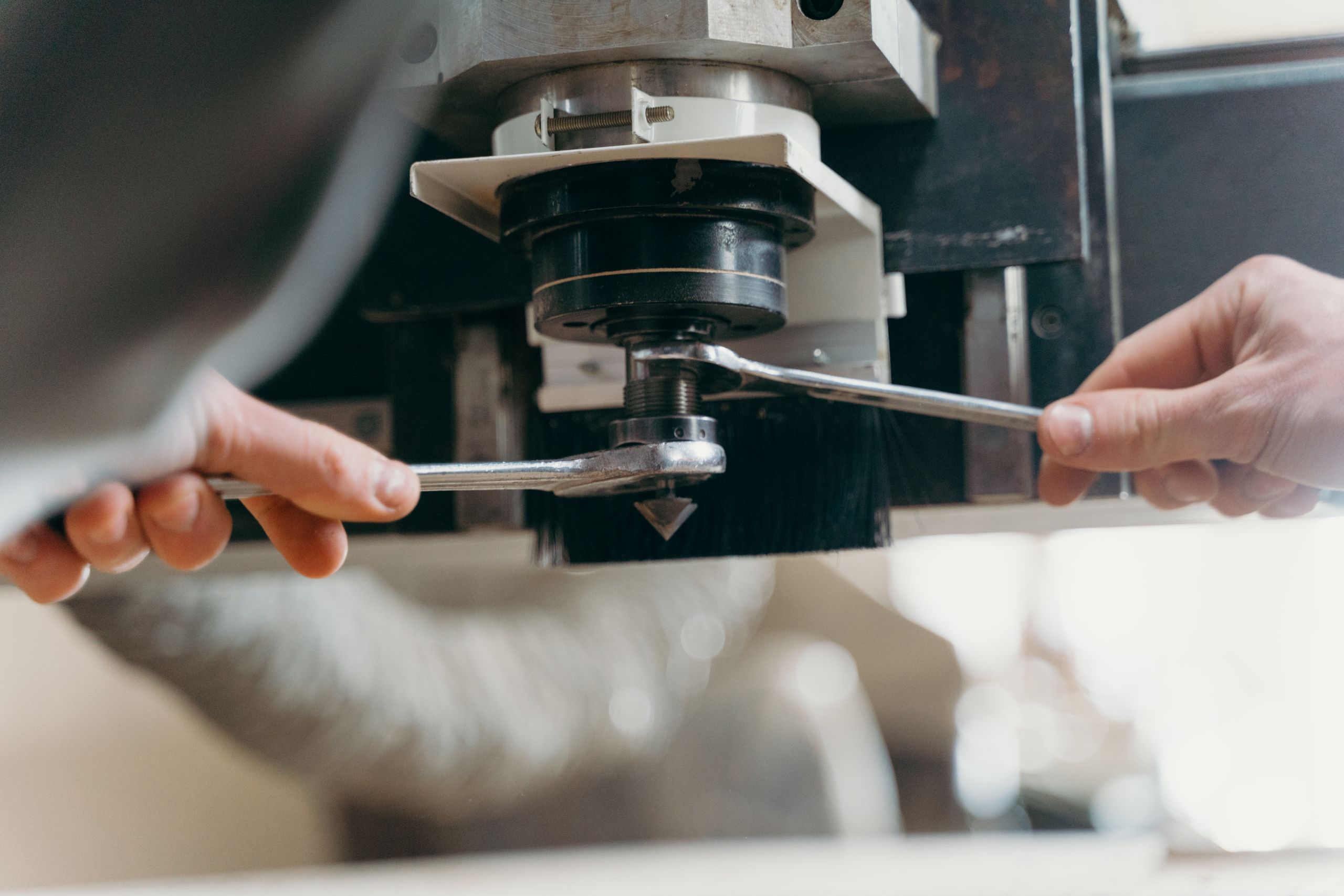
- Inspect the cutting edge and clean the collet and shank.
- Insert enough shank for secure clamping without contacting the flute.
- Minimize tool overhang and confirm runout.
- Clamp the workpiece firmly and check the toolpath clearance.
- Set spindle speed, feed, depth of cut, and direction conservatively.
- Use chip extraction, air blast, or lubrication appropriate to the material.
- Wear eye and hearing protection and keep guarding in place.
7. Troubleshooting common problems
If edges melt, improve chip evacuation and verify that the tool is cutting rather than rubbing. For chatter, reduce overhang, inspect runout, strengthen workholding, and use a stable depth of cut. A poor finish may also come from a worn edge, incorrect cutting direction, or repeated chip recutting.
For a comparison with a two-edge spiral design, see our double edge helical milling cutter guide. Operators should also follow recognized machine guarding guidance.
Frequently asked questions
Why use one flute instead of two?
One flute creates more space for chips and can reduce heat buildup in plastics and aluminum. It is especially useful when the spindle cannot run slowly enough to maintain the desired chip load with multiple flutes.
Can it cut acrylic?
Yes. A sharp flat bottom engraving knife is widely used for acrylic because it evacuates chips efficiently and can leave a clean edge when speed, feed, and cooling are correct.
How do I extend tool life?
Keep the collet clean, minimize runout, use a real chip load, prevent chip recutting, avoid excessive overhang, and replace the tool when the edge becomes chipped or dull.
Flat Bottom Engraving Knife Summary
The flat bottom engraving knife is a practical choice for clean, efficient machining where chip evacuation and low cutting pressure matter. Correct diameter, cutting length, feed, speed, workholding, and chip control determine both finish quality and tool life.

发表回复
要发表评论,您必须先登录。