
Table of Contents
A diamond jade carving knife uses diamond abrasive or a diamond cutting edge to machine hard, brittle, or abrasive materials. Correct selection depends on the workpiece, bond or tool construction, tip geometry, spindle capability, cooling, depth of cut, and the required surface quality.
Diamond Jade Carving Knife Overview
Diamond tools can provide high wear resistance and fine detail, but they are not universal. Toolmakers offer different products for glass, stone, ceramics, composites, graphite, nonferrous materials, and other applications. Always confirm material compatibility and operating limits with the manufacturer.
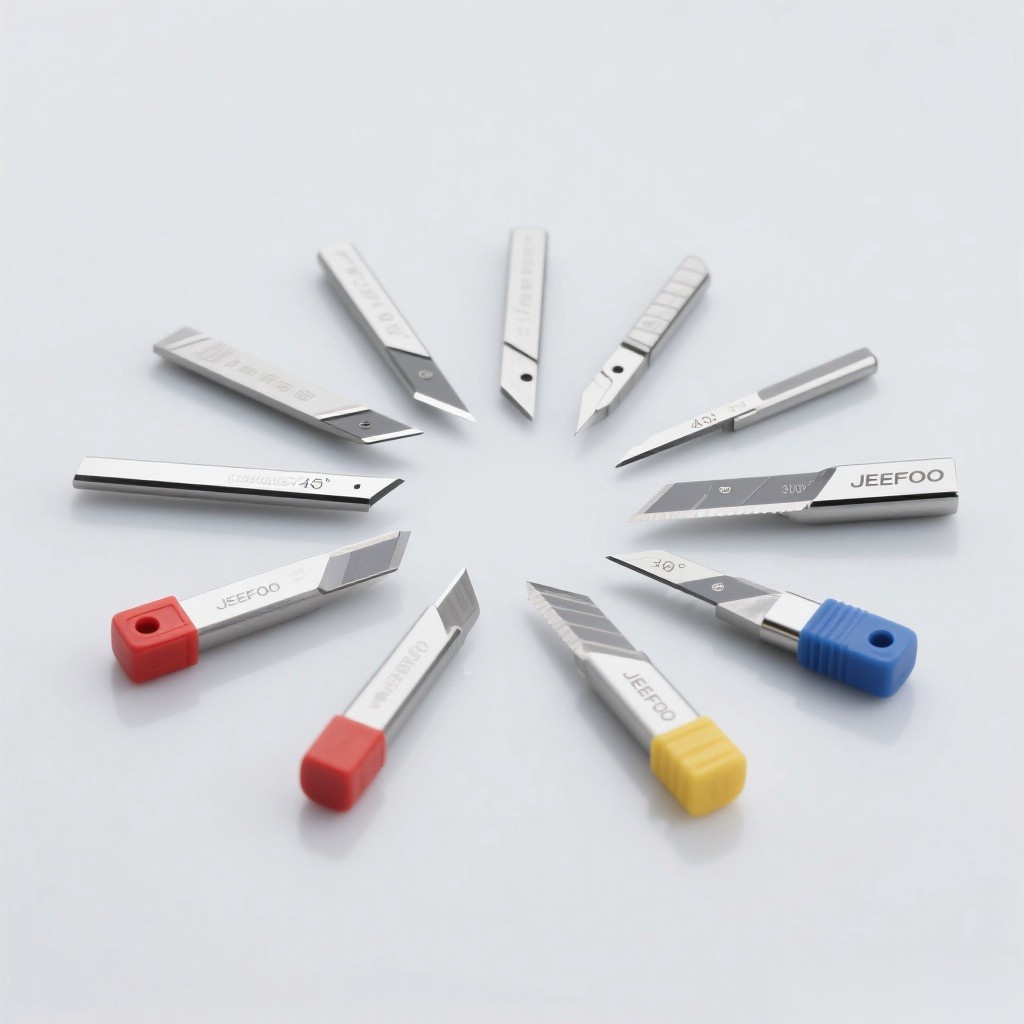
1. Identify the Diamond Tool Type
Common constructions include electroplated, sintered, brazed, polycrystalline diamond, and single-crystal diamond tools. Each differs in edge form, abrasive exposure, heat behavior, service life, and suitable workpiece materials.
2. Match the Bit to the Material
Glass, stone, ceramics, graphite, reinforced plastics, and aluminum alloys have different fracture, adhesion, and heat characteristics. A tool intended for abrasive grinding may not suit precision cutting, and diamond is generally unsuitable for ferrous materials at high cutting temperature.
3. Choose Tip Geometry and Size
Tip angle, radius, diameter, abrasive grit, and cutting length control detail, line width, strength, and finish. Fine points create small features but are more sensitive to runout, impact, excessive depth, and poor toolpaths.
4. Control Speed, Feed and Engagement
Use supplier starting data and calculate feed from the actual tool design. Avoid excessive engagement and sudden plunges. Ramping or helical entry may reduce shock when the tool and application allow it. Validate parameters through a controlled test.
5. Manage Cooling and Debris
Reliable coolant, mist, air, or extraction helps control heat and remove abrasive particles. The correct method depends on the workpiece and tool. Prevent recutting debris, and never mix a wet and dry process without appropriate equipment and risk controls.
6. Minimize Runout and Vibration
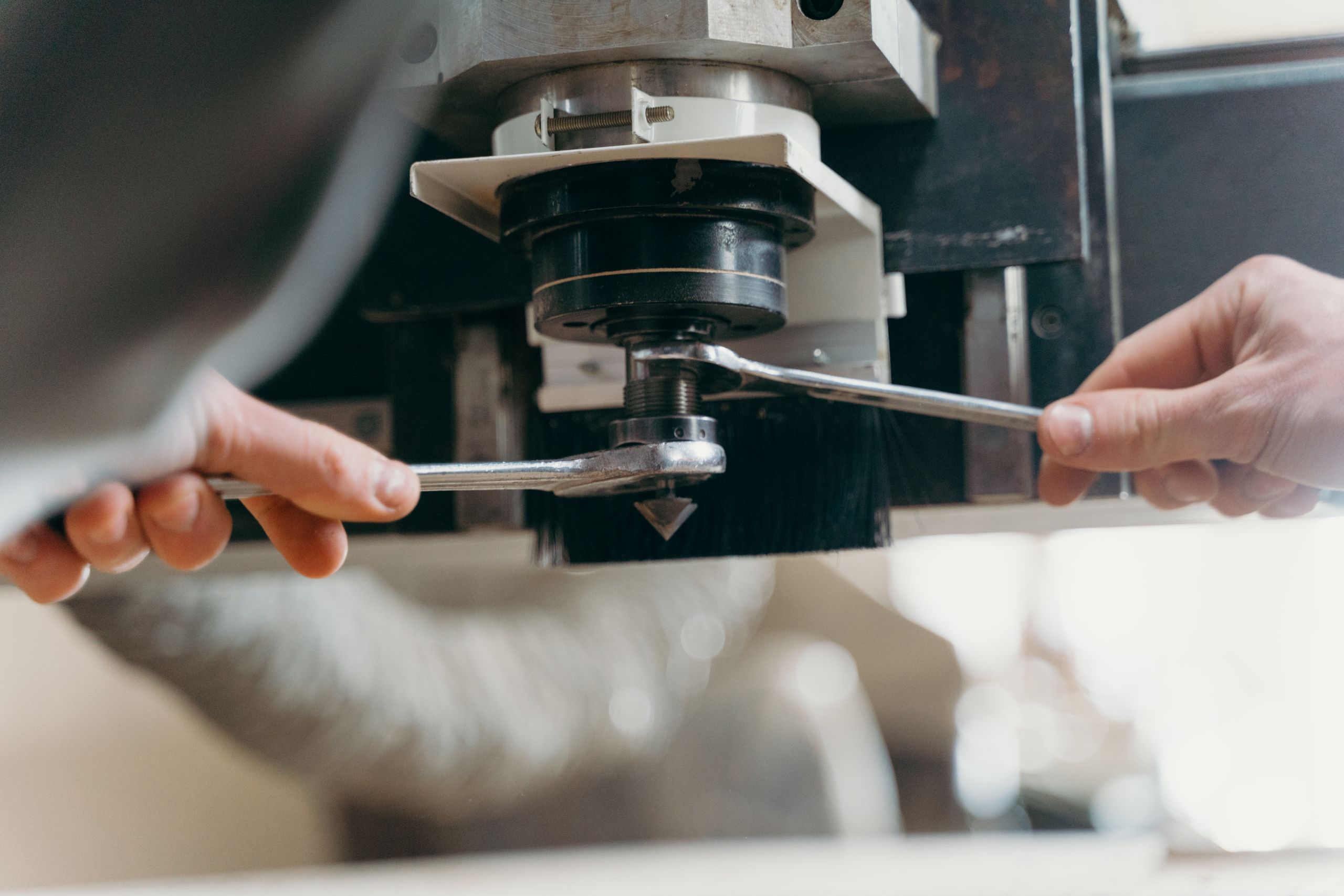
Clean the collet and shank, minimize overhang, verify spindle condition, and use rigid workholding. Runout causes uneven engagement, oversize lines, poor finish, and premature failure, especially with a small diamond jade carving knife.
7. Setup Checklist
- Confirm workpiece and tool compatibility.
- Verify tip geometry, grit, diameter, and usable length.
- Check collet cleanliness, runout, and overhang.
- Set conservative speed, feed, depth, and cooling.
- Test on scrap and inspect line width, chips, sound, and finish.
Troubleshooting Common Problems
Chipping can indicate excessive depth, impact, runout, vibration, or unsuitable geometry. Burning or glazing suggests heat, rubbing, clogged abrasive, or poor debris removal. Tapered or inconsistent engraving may result from workpiece unevenness, spindle runout, or tool deflection.
Maintenance and Storage
Clean the bit using a method approved for its construction, inspect it under magnification, and protect the tip in individual storage. Record operating hours and material history so wear trends and replacement timing remain traceable.
Safety and Related Guidance
Use guards, extraction, and suitable eye, face, hearing, and respiratory protection. Some workpiece dusts are hazardous. Stop the spindle before measuring or clearing debris, follow the machine manual, and consult applicable machine-guarding guidance. See our engraving tool guide for related choices.
Frequently Asked Questions
Can one diamond bit engrave every hard material?
No. Diamond construction, bond, grit, geometry, cooling, and parameters must match the specific material and operation.
Why does the engraved line become wider?
Possible causes include tip wear, runout, excessive depth, tool deflection, loose workholding, or an uneven surface. Inspect each factor before changing the program.
Diamond Jade Carving Knife Diamond Jade Carving Knife Summary
Selecting and using a diamond jade carving knife requires material matching, appropriate geometry, controlled engagement, stable cooling or extraction, low runout, and disciplined inspection. Supplier data and test cuts provide the safest starting point.

发表回复
要发表评论,您必须先登录。