
Table of Contents
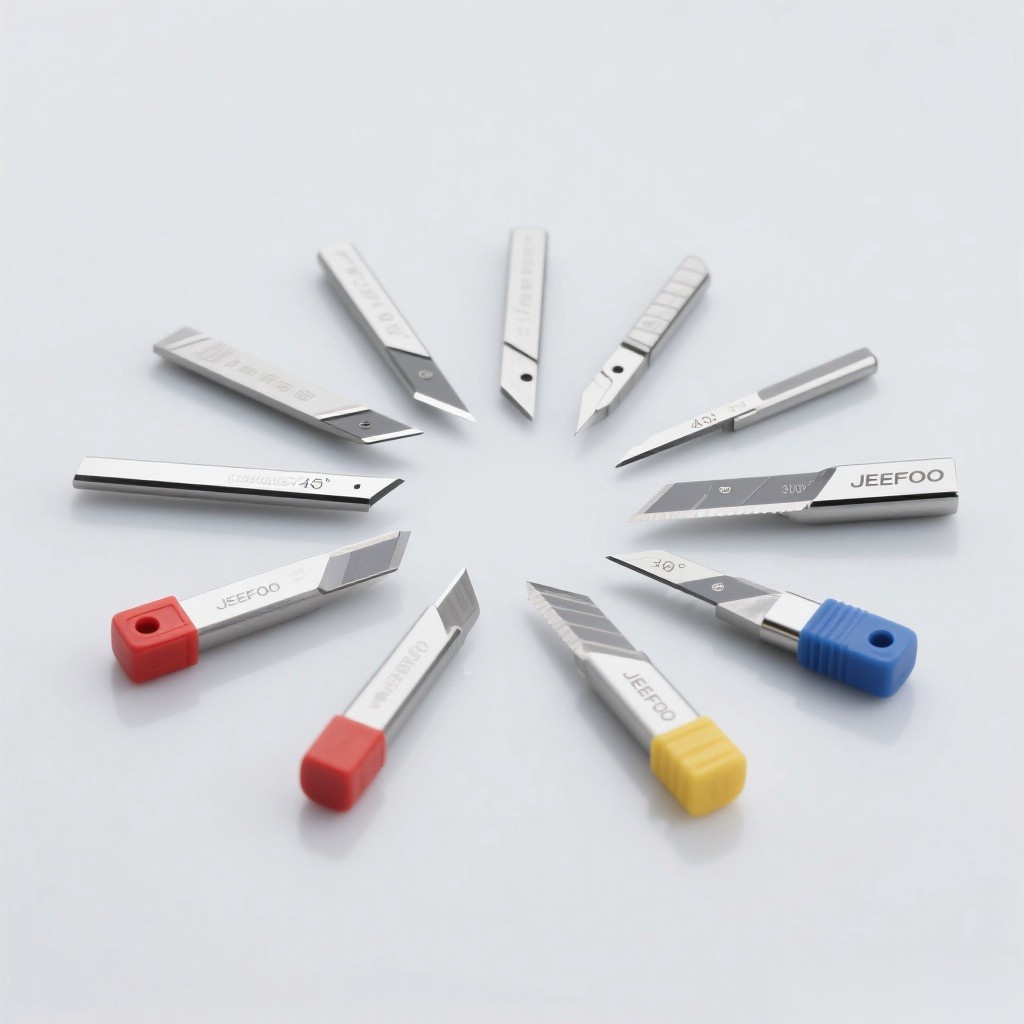
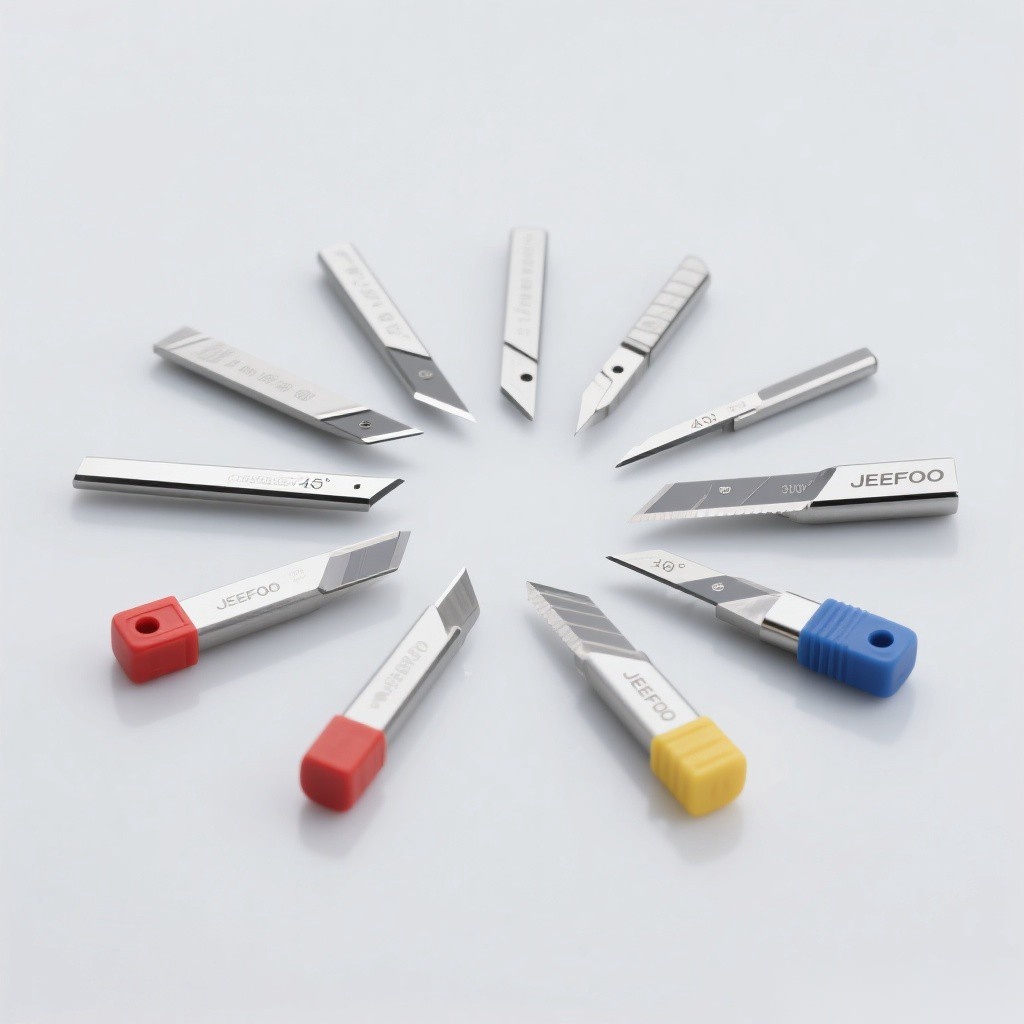
A diamond silver brazed relief knife uses a diamond cutting element joined to a tool body by a brazing process for detailed relief carving, engraving, profiling, or finishing in compatible abrasive and nonferrous materials. Reliable results depend on tool construction, tip geometry, material compatibility, runout, engagement, cooling, and safe spindle limits.
Diamond Silver Brazed Relief Knife Overview
“Silver brazed” commonly describes a joining alloy or brazing method used to secure the cutting element. Actual composition and temperature limits vary. Confirm the diamond type, braze specification, shank, maximum speed, rotation, and approved materials with the manufacturer.
1. Confirm Material Compatibility
Diamond tools can suit graphite, composites, ceramics, stone, glass, wood products, and selected nonferrous materials depending on design. They are generally unsuitable for ferrous metals at elevated cutting temperature. Use only the applications specified by the toolmaker.
2. Select Tip Geometry
Tip angle, radius, cutting width, included profile, and usable length determine detail, strength, groove width, and reachable depth. Fine points create small features but are more sensitive to runout, impact, excessive depth, and vibration.
3. Check the Brazed Joint
Inspect the cutting element and joint under magnification for cracks, movement, voids, discoloration, or impact damage. Never use a tool with a loose insert or questionable joint. Brazed tools should be serviced only by a qualified provider.
4. Minimize Runout
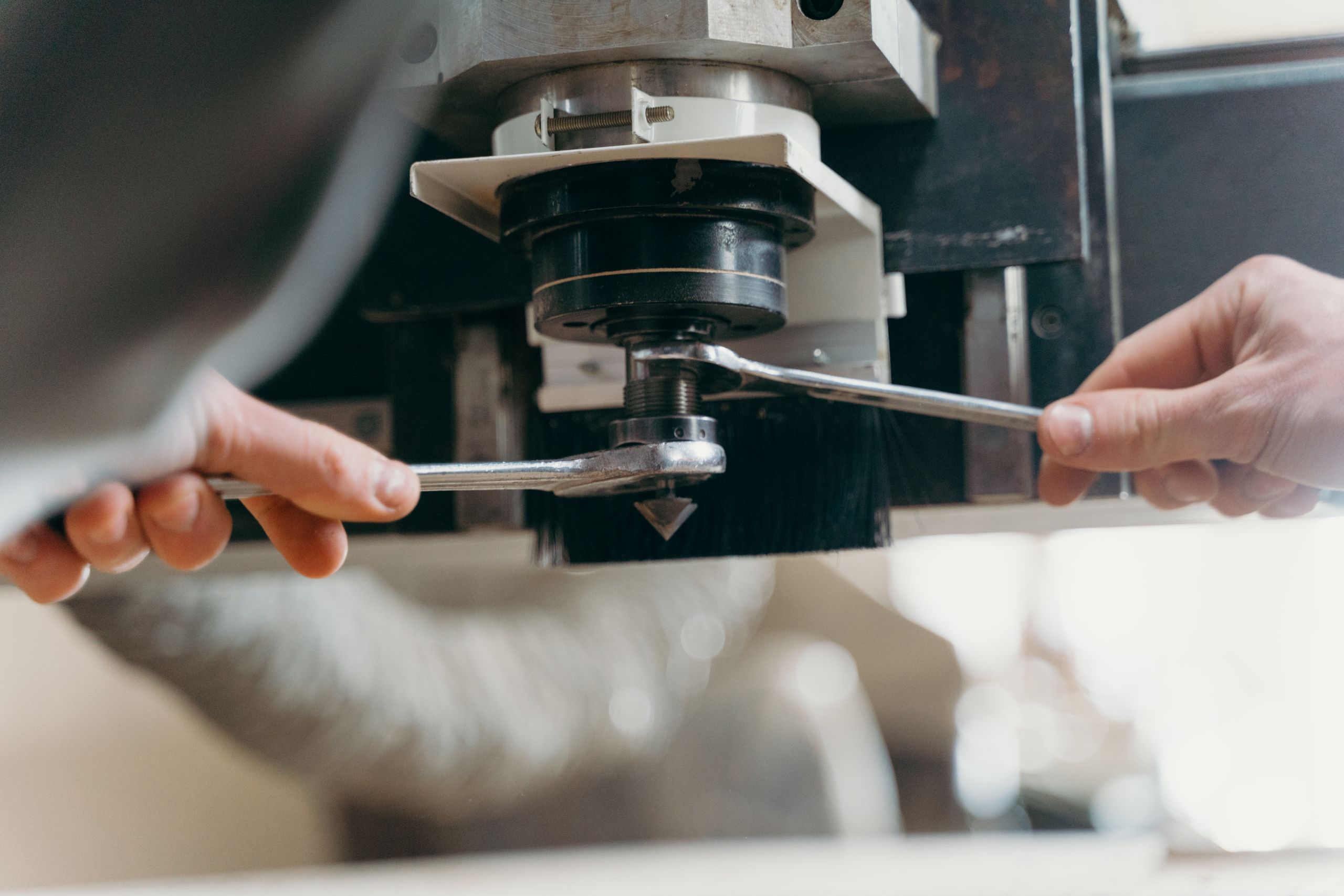
Clean the collet and shank, minimize overhang, verify spindle condition, and measure runout near the cutting tip. Small relief tools can produce visibly wider or inconsistent lines when runout is excessive.
5. Plan Safe Toolpaths
Use gradual entry and avoid sudden full-depth plunges unless approved. For three-dimensional relief, separate roughing and finishing, leave consistent stock, control step-over, and prevent the shank or holder from contacting the workpiece.
6. Set Speed, Feed and Depth
Start with manufacturer data for the exact tool and material. Use shallow engagement for delicate tips, maintain a cutting feed that avoids rubbing, and never exceed the marked maximum spindle speed.
7. Manage Heat and Debris
Use the approved coolant, mist, air, or extraction method for the tool and workpiece. Prevent recutting of abrasive debris and avoid overheating the diamond element or brazed joint. Some dusts require specialized controls.
Setup Checklist
- Verify tool specification, material, rotation, and maximum speed.
- Inspect the diamond edge and brazed joint.
- Confirm geometry, reach, runout, and holder clearance.
- Program gradual entry, suitable stock, step-over, feed, and depth.
- Test on scrap and inspect detail, sound, heat, and edge condition.
Relief Carving Applications
A diamond silver brazed relief knife may be used for lettering, decorative relief, fine profiling, surface detail, engraving, and finishing in manufacturer-approved materials. The exact application depends on cutting geometry and diamond construction.
Troubleshooting Common Problems
Chipping can indicate impact, excessive engagement, wrong material, runout, or vibration. Burning suggests rubbing, poor debris removal, excessive speed, or a worn edge. Inconsistent depth may involve surface variation, weak workholding, calibration error, or tool deflection.
Maintenance and Storage
Clean using a method approved for the tool construction, inspect under magnification, protect the tip in individual storage, and record hours and materials cut. Do not attempt uncontrolled heating or brazing repairs.
Safety and Related Guidance
Use full guarding, secure workholding, extraction, and appropriate eye, hearing, and respiratory protection. Stop the spindle before inspection or debris removal. Follow the tool and machine manuals and applicable machine-guarding guidance. See our engraving tool guide for related selection principles.
Frequently Asked Questions
Can a brazed diamond relief knife be repaired?
Assessment and repair should be performed by a qualified tool service familiar with the original diamond element, braze, geometry, and balance requirements.
Why is the carved line wider than expected?
Possible causes include runout, tip wear, excessive depth, tool deflection, weak workholding, or incorrect geometry.
Diamond Silver Brazed Relief Knife Summary
Successful use of a diamond silver brazed relief knife requires verified construction, compatible materials, suitable geometry, low runout, controlled toolpaths, thermal management, safe limits, and regular inspection.

发表回复
要发表评论,您必须先登录。