
Table of Contents
Tungsten steel milling cutter types differ by end geometry, flute count, helix, reach, edge preparation, and intended operation. In machining terminology, “tungsten steel” commonly refers to cemented carbide. Selecting the correct carbide cutter requires matching tool shape, grade, coating, and dimensions to the material and toolpath.
Tungsten Steel Milling Cutter Types Overview
Carbide cutters offer hardness, rigidity, compressive strength, and wear resistance, but they can be sensitive to impact, runout, vibration, and excessive overhang. Use manufacturer application data for the specific grade and coating rather than treating all carbide tools as interchangeable.
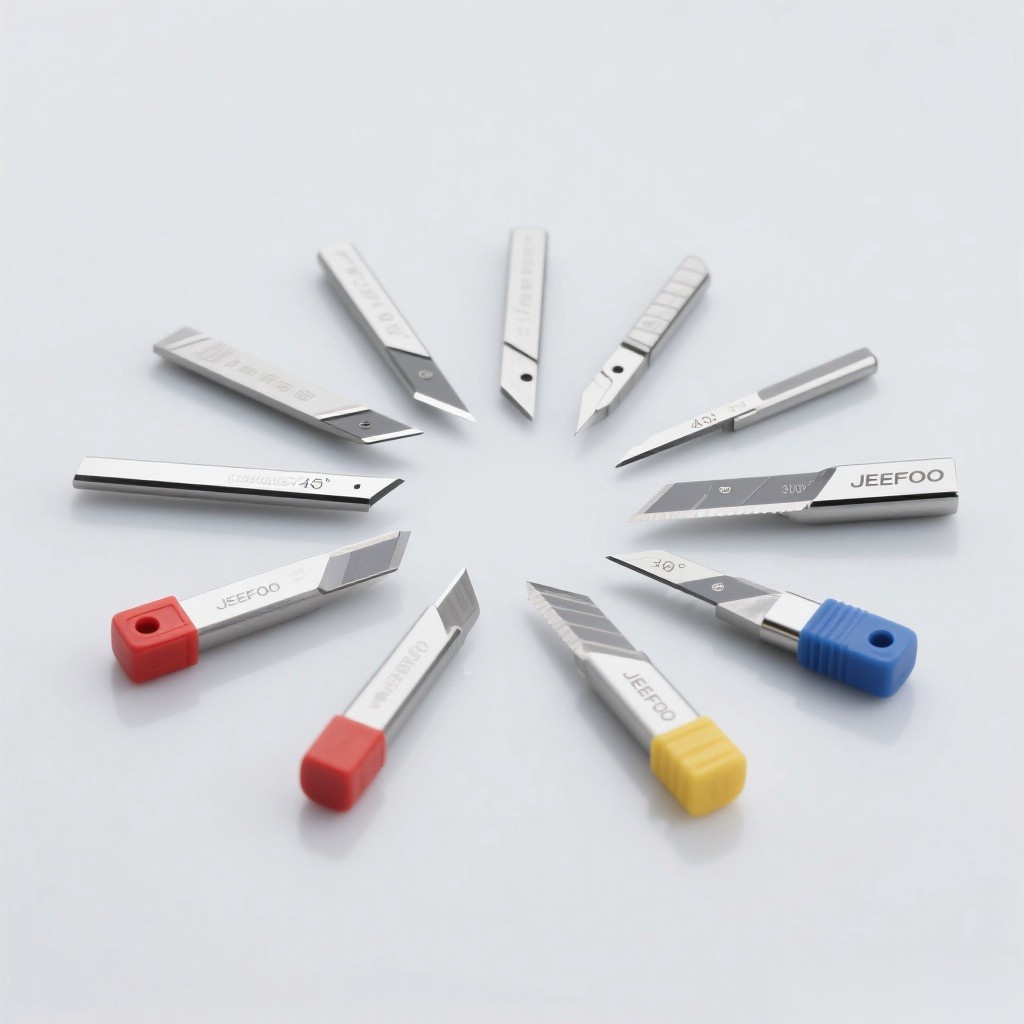
1. Square End Mills
Square end mills create flat floors, vertical walls, slots, and profiles. Corner sharpness supports accurate geometry, while a small corner chamfer or radius can strengthen the edge for demanding cuts.
2. Ball Nose End Mills
Ball nose tools machine three-dimensional contours, molds, fillets, and sculptured surfaces. Effective cutting speed decreases near the tool center, so tilt, step-over, engagement, and finishing toolpaths require careful control.
3. Corner Radius End Mills
A corner radius improves edge strength while retaining a mostly flat bottom. These cutters suit profiling, pocketing, and higher-load applications where a sharp corner would chip prematurely.
4. Roughing End Mills
Serrated or chip-splitting edges divide chips and can reduce cutting force during heavy stock removal. They generally leave a textured surface, so a finishing pass with another cutter may be required.
5. Variable Helix and Variable Pitch Cutters
Unequal flute spacing or helix angles can disrupt harmonic vibration and reduce chatter in suitable setups. Their benefit still depends on workholding, spindle condition, overhang, engagement, and programmed speed.
6. Long-Reach and Necked End Mills
Long-reach tools access deep walls and recessed features, but reduced stiffness increases deflection risk. Use the shortest practical reach, limit engagement, and verify holder clearance before machining.
7. Specialty Cutters
Chamfer, dovetail, T-slot, thread, engraving, tapered, and high-feed cutters solve specific geometry or productivity needs. Confirm dimensional standards, cutting direction, entry method, and toolpath limitations before use.
Flute Count and Material Matching
| Design | Typical benefit | Primary check |
|---|---|---|
| Fewer flutes | Larger chip space | Chip evacuation |
| More flutes | More cutting edges | Available chip space |
| Positive geometry | Lower cutting force | Edge strength |
| Reinforced edge | Higher durability | Machine rigidity |
Selection Checklist
- Define material, operation, tolerance, and finish.
- Select geometry, flute count, grade, and coating.
- Use the shortest practical cutting length and overhang.
- Verify runout, workholding, coolant, and chip evacuation.
- Start from supplier parameters and validate with a test cut.
Troubleshooting Tool Performance
Chatter may indicate excessive overhang, weak fixturing, unsuitable engagement, or poor speed selection. Chipping can result from runout, impact, or weak edge geometry. Rapid wear may involve excessive speed, heat, abrasive material, or an unsuitable carbide grade.
Safety and Related Guidance
Use machine guards, correct workholding, and suitable eye and hearing protection. Stop the spindle before measurement or chip removal. Follow the machine and tool manuals and applicable machine-guarding guidance. See our milling cutter guide for related selection advice.
Frequently Asked Questions
Is tungsten steel the same as carbide?
In many tool catalogs the term refers to cemented tungsten carbide, but buyers should confirm the actual substrate grade, binder, coating, and specification.
Which cutter type is best for general milling?
A square or corner-radius end mill is common, but the correct choice depends on material, operation, chip evacuation, machine rigidity, and required finish.
Tungsten Steel Milling Cutter Types Summary
Comparing tungsten steel milling cutter types by geometry, flute count, reach, carbide grade, coating, and application helps prevent trial-and-error selection. Confirm supplier data and validate performance under controlled conditions.


发表回复
要发表评论,您必须先登录。