
Table of Contents
CNC cutting tool features determine how reliably a tool removes material, controls chips, holds tolerance, and produces the required finish. The most important characteristics are substrate, geometry, coating, flute design, edge preparation, rigidity, and application compatibility.
CNC Cutting Tool Features Overview
A CNC tool should be selected as part of a complete machining system. Workpiece material, spindle power, toolholder condition, coolant delivery, machine rigidity, and programmed engagement all influence performance. Manufacturer data remains the primary source for starting parameters.
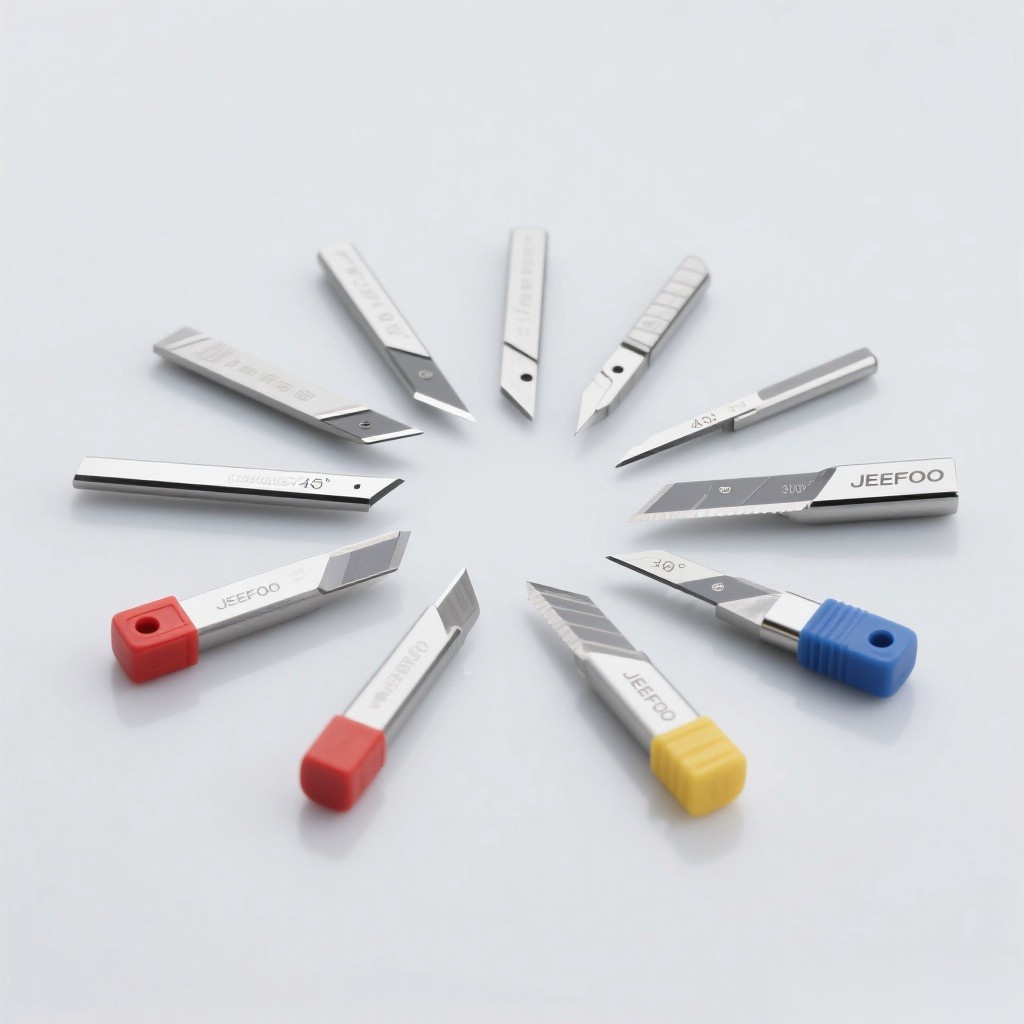
1. Tool Material and Substrate
Carbide offers high hardness, compressive strength, and heat resistance for productive CNC machining. High-speed steel provides toughness and can suit lower-speed or interrupted applications. Grade selection should match the material and cutting conditions.
2. Cutting Geometry
Rake angle, relief, helix, flute count, core diameter, and edge radius influence cutting force and chip formation. Positive geometry cuts freely, while stronger edge geometry supports demanding or interrupted cuts.
3. Flute Count and Chip Evacuation
Fewer flutes usually provide larger chip spaces. More flutes add cutting edges and may improve productivity when chip evacuation remains reliable. Feed must be calculated from chip load, flute count, and spindle speed.
4. Coating and Surface Treatment
Coatings can reduce friction, resist wear, and protect the edge at elevated temperature. The correct coating depends on workpiece chemistry, coolant strategy, and operating temperature; an unsuitable coating can increase adhesion or heat.
5. Rigidity, Runout and Balance
Low runout helps distribute chip load evenly across the cutting edges. Use a clean holder, minimize overhang, verify clamping, and inspect spindle condition. Small tools are particularly sensitive to runout and deflection.
6. Application and Material Match
Evaluate CNC cutting tool features against aluminum, steel, stainless steel, plastics, composites, wood, or graphite requirements. Consider abrasiveness, tendency to work harden, chip shape, heat generation, and finish targets.
7. Setup Checklist
- Confirm material, operation, tolerance, and finish.
- Choose substrate, geometry, flute count, and coating.
- Check holder cleanliness, runout, and overhang.
- Set feed, speed, engagement, and coolant from supplier data.
- Validate with a controlled test cut and inspect wear.
Troubleshooting CNC Tool Performance
Chatter may indicate excessive overhang, weak workholding, poor engagement, or unsuitable speed. Built-up edge suggests adhesion, heat, or inadequate lubrication. Uneven wear often points to runout. Adjust one variable at a time and document results.
Safety and Related Guidance
Use machine guards and appropriate eye and hearing protection. Stop the spindle before measuring or clearing chips. Follow the machine manual and applicable machine-guarding guidance. See our milling cutter guide for related geometry.
Frequently Asked Questions
Which CNC cutting tool feature matters most?
No single feature works alone. Substrate, geometry, coating, rigidity, and cutting parameters must suit the same application.
How should a starting tool be chosen?
Start with the toolmaker’s application chart, use conservative parameters, verify runout, and evaluate chips, sound, finish, and wear after a controlled cut.
CNC Cutting Tool Features Summary
The best CNC cutting tool features are those matched to the material, operation, machine, and quality target. A systematic selection and validation process improves tool life, consistency, and machining safety.


发表回复
要发表评论,您必须先登录。