
A tungsten carbide blade is a wear-resistant cutting component made from hard carbide particles bonded with a metallic binder. It is commonly called a tungsten steel blade in some markets, but cemented carbide is the more precise material description.
Table of Contents
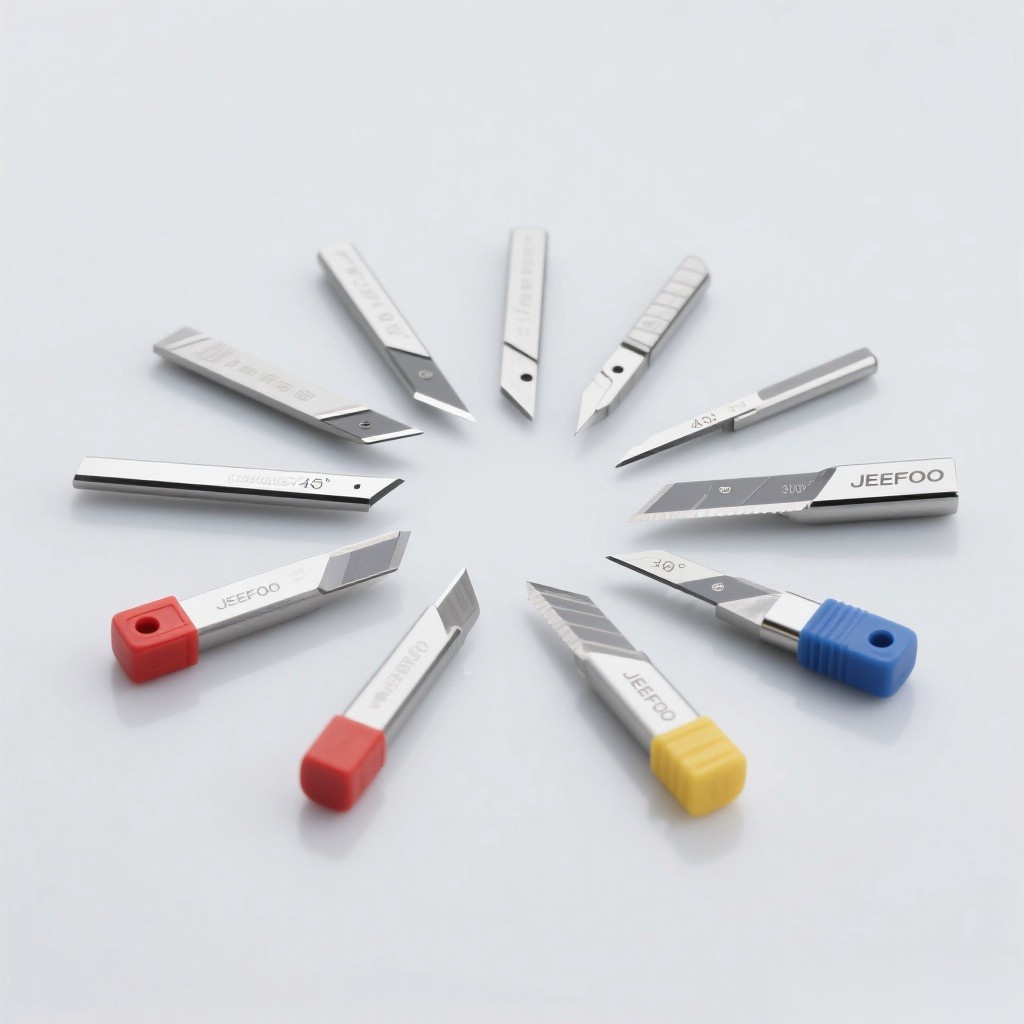
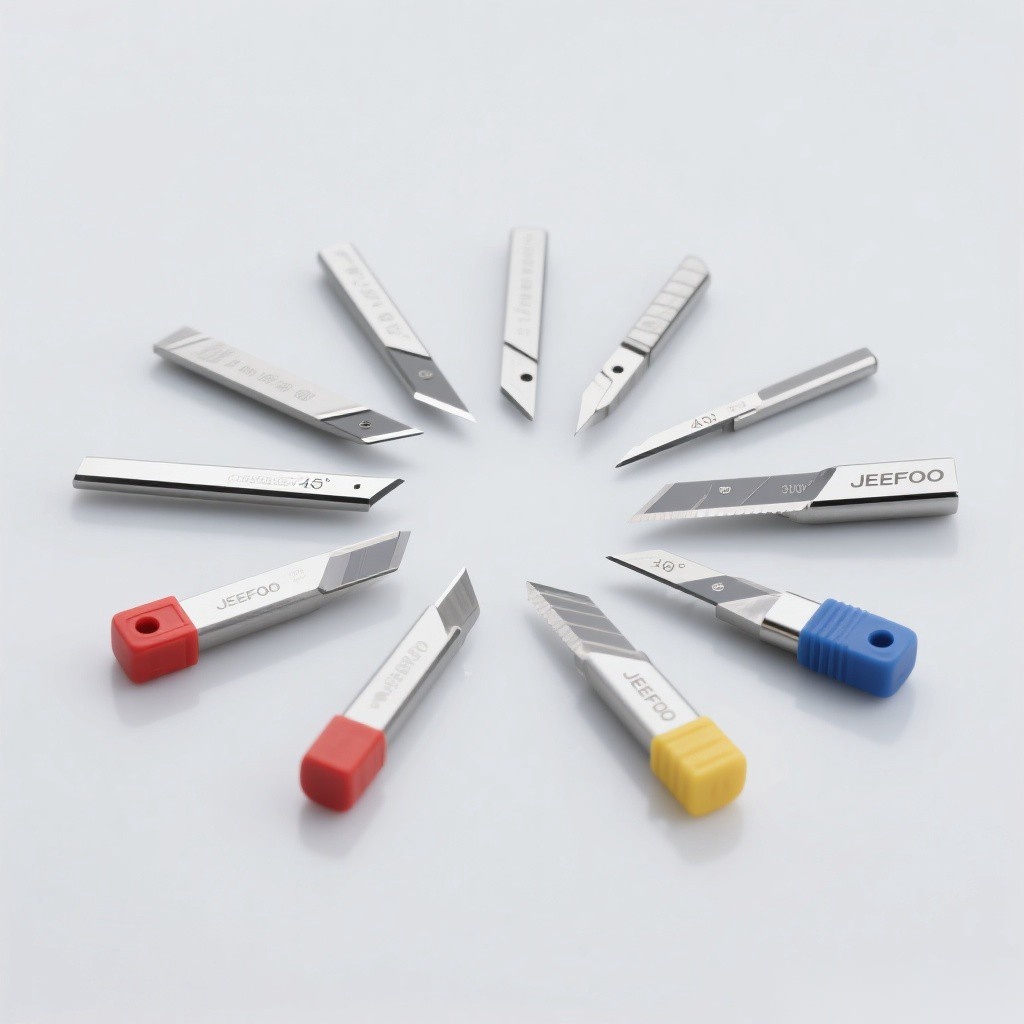
Tungsten Carbide Blade Overview
Carbide combines high hardness, compressive strength, heat resistance, and edge retention. Compared with ordinary tool steel, it can maintain a sharp edge longer in abrasive materials, but it is less tolerant of impact, bending, poor alignment, and accidental drops.
1. Seven Key Advantages
- High wear resistance.
- Long edge retention.
- Stable cutting geometry.
- Resistance to heat at the cutting edge.
- Clean results in compatible materials.
- High compressive strength.
- Useful performance in repeat production.
2. Common Applications
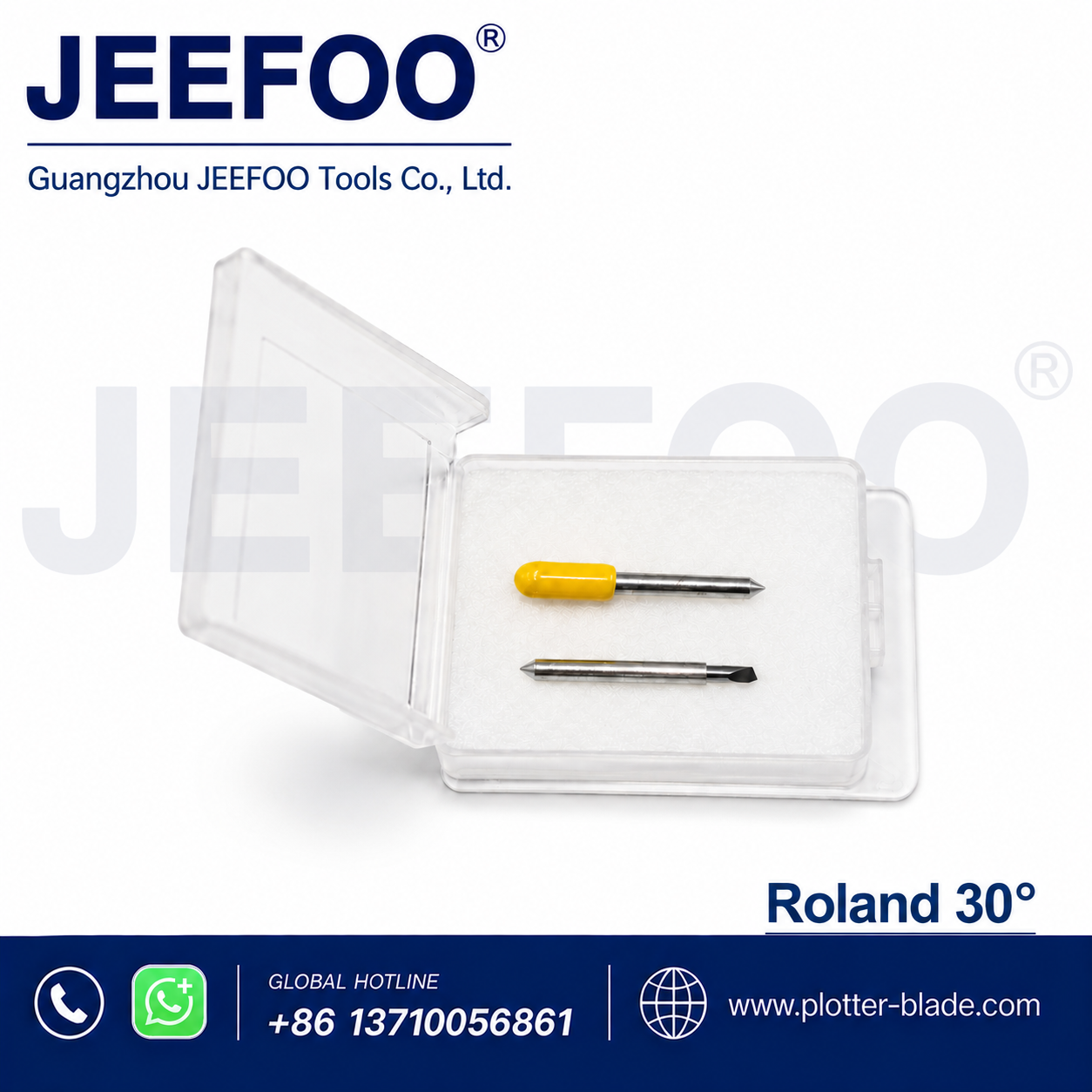
Applications include cutting plotters, packaging conversion, film and vinyl cutting, paper processing, woodworking, plastic trimming, composite machining, slitting, scraping, and specialized industrial knives. The exact grade and geometry must match the material and machine.
3. Material Grade and Binder
Carbide grade controls the balance between hardness and toughness. Fine grains can support a sharp wear-resistant edge, while tougher grades better resist shock. Cobalt content, grain size, coating, substrate quality, and manufacturing accuracy all affect real performance.
4. Blade Geometry
| Feature | Effect | Selection concern |
|---|---|---|
| Edge angle | Sharpness versus strength | Material hardness and thickness |
| Tip radius | Detail and durability | Minimum feature size |
| Blade thickness | Rigidity and kerf | Holder clearance |
| Coating | Wear and friction | Material compatibility |
5. How to Select the Right Blade
- Confirm the machine model and holder dimensions.
- Match edge angle and tip radius to the material.
- Select only the cutting length needed.
- Check cutting direction, exposure, and maximum depth.
- Use the supplier’s recommended carbide grade and coating.
- Test the blade on scrap before production.
6. Setup and Cutting Parameters
Use the minimum blade exposure needed to cut through the top layer without damaging the backing. Set force, speed, depth, and offset from manufacturer guidance, then refine with short test cuts. Excessive force accelerates wear and can chip the edge.
7. Troubleshooting and Maintenance
Incomplete cuts may indicate low exposure, insufficient force, holder contamination, or a worn edge. Ragged edges can result from excessive force, speed, offset error, or blade damage. Clean the holder, inspect rotation, store blades separately, and replace chipped tools.
Safety Guidance
Carbide edges are extremely sharp and brittle. Disconnect or stop the machine before installation, use cut-resistant handling practices, and never touch the cutting edge. Follow the equipment manual and applicable machine-guarding guidance.
Frequently Asked Questions
Is tungsten steel the same as tungsten carbide?
In many product listings, tungsten steel refers to cemented tungsten carbide. The exact grade should still be confirmed with the supplier.
Why do carbide blades chip?
Common causes include impact, excessive exposure, misalignment, side load, contaminated holders, poor workholding, and unsuitable cutting parameters.
Summary
Choose a tungsten carbide blade by matching grade, edge angle, tip radius, dimensions, coating, and holder compatibility to the material and machine. Correct exposure, conservative force, clean installation, and safe storage improve cut quality and service life. See our cutting plotter blade guide for related holder and blade selection.


发表回复
要发表评论,您必须先登录。