
Table of Contents
Cylindrical milling cutter applications include slab milling, broad flat-surface machining, stock removal, and long-workpiece finishing on horizontal milling machines. A cylindrical cutter is a rotating peripheral cutting tool for these operations. Its cutting teeth are arranged around the circumference, and the right tooth form, pitch, material, speed, feed, and setup determine productivity and surface finish.
Cylindrical Milling Cutter Applications Overview
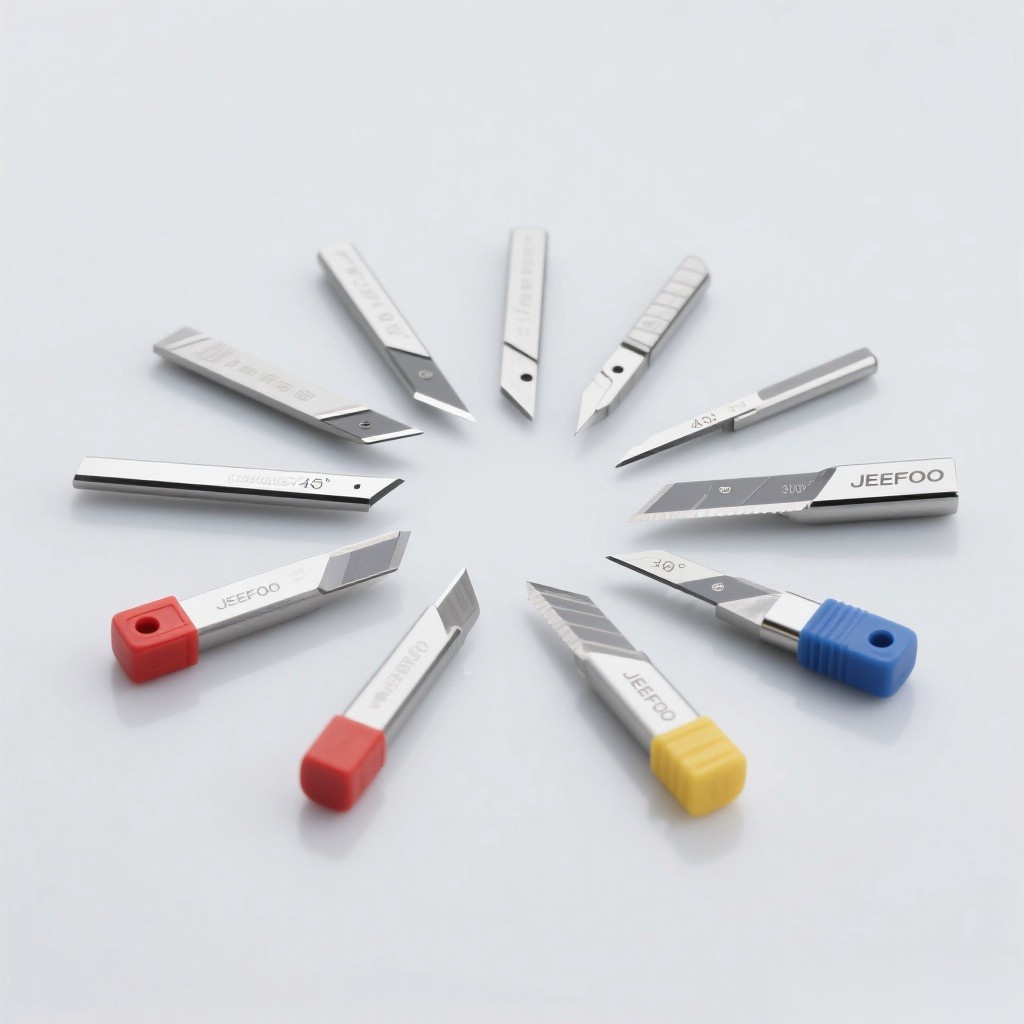
A cylindrical milling cutter removes material with peripheral teeth rather than end teeth. Straight-tooth designs suit narrow work and simple operations, while helical teeth enter the cut gradually, reduce vibration, and usually deliver a smoother finish.
1. Main Tooth Designs
- Straight teeth: simple geometry for general peripheral milling.
- Helical teeth: quieter engagement, lower impact, and better surface quality.
- Coarse pitch: fewer strong teeth and larger chip spaces for roughing.
- Fine pitch: more teeth in contact for finishing and lighter cuts.
2. Common Materials and Coatings
High-speed steel cutters are tough and economical for general work. Carbide provides higher wear resistance and cutting speed, especially in production machining. Coatings such as TiN, TiAlN, or AlCrN can reduce friction and improve tool life when matched to the work material.
3. Cylindrical Milling Cutter Applications
Cylindrical milling cutter applications commonly include slab milling, producing flat reference surfaces, removing stock from steel or aluminum plates, and finishing long workpieces. For related tool families, see our types of milling cutters guide.
4. Selection Table
| Requirement | Recommended choice |
|---|---|
| Heavy roughing | Coarse-pitch helical cutter |
| Fine finish | Fine-pitch helical cutter |
| Soft aluminum | Large flute space and polished geometry |
| Hard steel | Carbide or coated cutter with rigid setup |
5. Cutting Parameters
Set spindle speed from cutter diameter, tooth material, and workpiece material. Choose feed per tooth so every edge forms a stable chip. Start with the toolmaker’s data, then adjust for machine power, overhang, coolant, vibration, and finish requirements.
6. Setup Checklist
- Inspect teeth for chips, cracks, and built-up edge.
- Clean the arbor, spacers, cutter bore, and support surfaces.
- Minimize cutter and workpiece overhang.
- Confirm rotation direction and secure the guard.
- Use suitable coolant or air evacuation where appropriate.
- Make a light test cut and verify size and finish.
7. Tool Life and Safety
Uneven wear often indicates runout, poor alignment, or an unstable feed. Chatter calls for a more rigid setup, reduced overhang, corrected speed, or a different pitch. Follow the machine manufacturer’s instructions and applicable machine-guarding guidance. Stop the spindle before measuring, clearing chips, or inspecting the cutter.
Frequently Asked Questions
What is a cylindrical milling cutter used for?
It is used primarily to machine broad flat surfaces with peripheral teeth on a horizontal milling machine.
Which cutter is best for roughing?
A coarse-pitch helical cutter is usually preferred because its strong teeth and large chip spaces handle heavier cuts.
Which cutter gives the best finish?
A fine-pitch helical cylindrical milling cutter normally provides smoother engagement and a better surface finish on a rigid setup.
Summary
Select a cylindrical milling cutter by matching tooth form, pitch, diameter, width, substrate, and coating to the material and operation. Correct speed, feed, alignment, chip evacuation, and guarding improve accuracy, tool life, and safety.


发表回复
要发表评论,您必须先登录。