
A stone carving knife is a high-strength, wear-resistant cutting tool designed for CNC engraving of granite, marble, engineered stone, and similar mineral materials. Unlike general advertising cutters, it must tolerate abrasive dust, impact, heat, and high cutting loads.
Table of Contents
- What is a stone carving knife?
- Essential features
- Materials and applications
- Common tool types
- Selection guide
- Cutting parameters
- Setup and safety
- FAQ
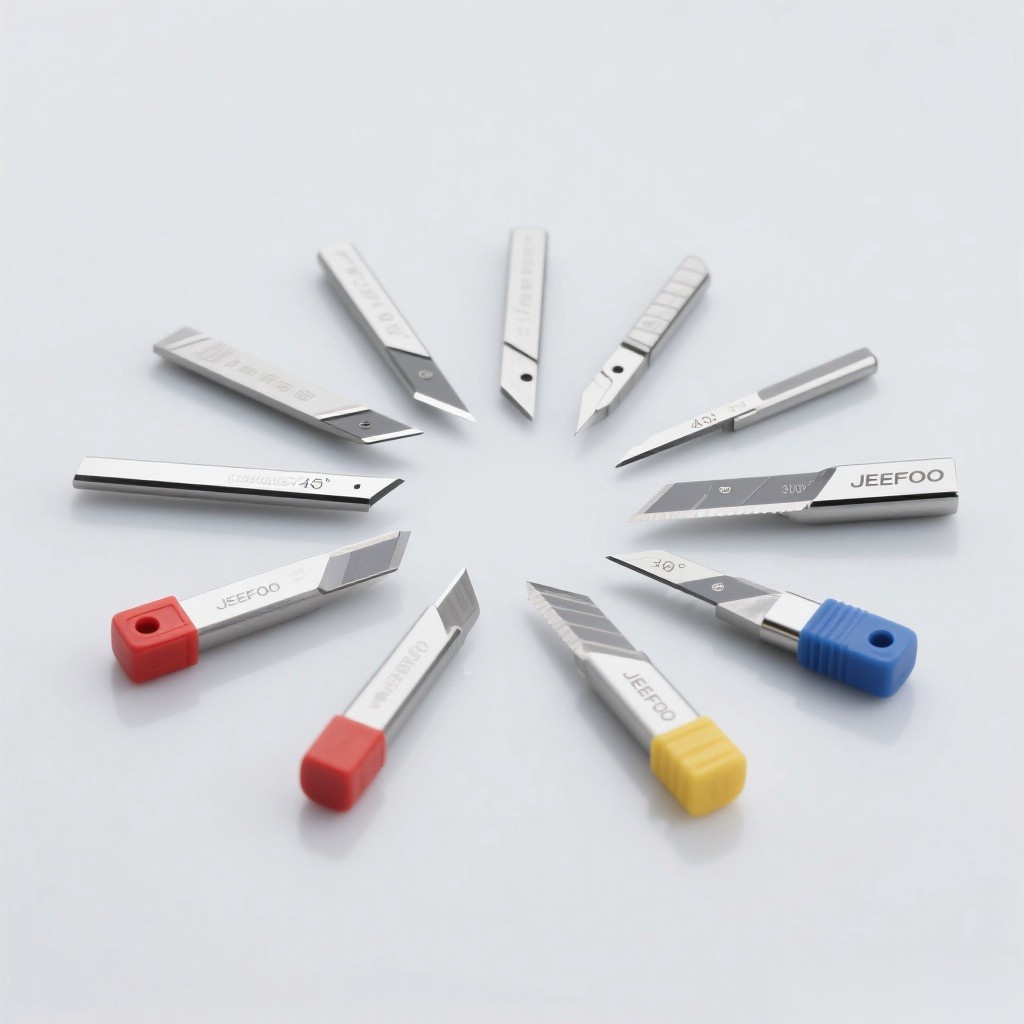
1. What is a stone carving knife?
A stone carving knife is engineered for mineral workpieces that rapidly wear ordinary carbide tools. Depending on the job, the cutting part may use diamond, polycrystalline diamond, brazed abrasive segments, or a specialized carbide grade. The tool shape determines whether it engraves lettering, cuts a V-groove, cleans a corner, or forms a relief.
2. Seven essential features
- High structural strength under intermittent cutting loads.
- Strong wear resistance against abrasive stone dust.
- Stable cutting geometry for accurate lettering and grooves.
- Reliable brazing or tool-body construction.
- Efficient heat control through suitable cooling.
- Compatible shank and dimensions for the CNC spindle.
- A material-specific edge design for longer service life.
3. Materials and applications
| Material | Typical application | Main concern |
|---|---|---|
| Marble | Lettering, reliefs, chamfers | Chipping and surface variation |
| Granite | Durable signs and grooves | High abrasiveness and tool load |
| Engineered stone | Profiles and decorative work | Composition and silica dust |
| Slate | Text and shallow engraving | Layering and edge breakage |
4. Common tool types
V-shaped tools produce lettering and decorative grooves. Ball-nose tools create curved relief surfaces, while flat tools clean pockets and floors. Diamond-coated or diamond-segment tools are preferred for highly abrasive stone. Always confirm that the tool maker approves the specific material and cooling method.
5. How to select the right tool
Choose the geometry according to carving method, line width, depth, corner radius, and desired finish. Match diameter and shank to the machine, use only the necessary cutting length, and minimize overhang. A stone carving knife should also be selected for the hardness, grain, abrasiveness, and fracture behavior of the workpiece.
6. Speed, feed, depth, and cooling
Begin with the manufacturer’s recommended spindle speed, feed, depth per pass, and cooling. Make a test cut before production. Excessive load can chip the tool or stone; rubbing can overheat the edge. Stable chips or slurry, consistent sound, and controlled spindle load indicate a healthier cut.
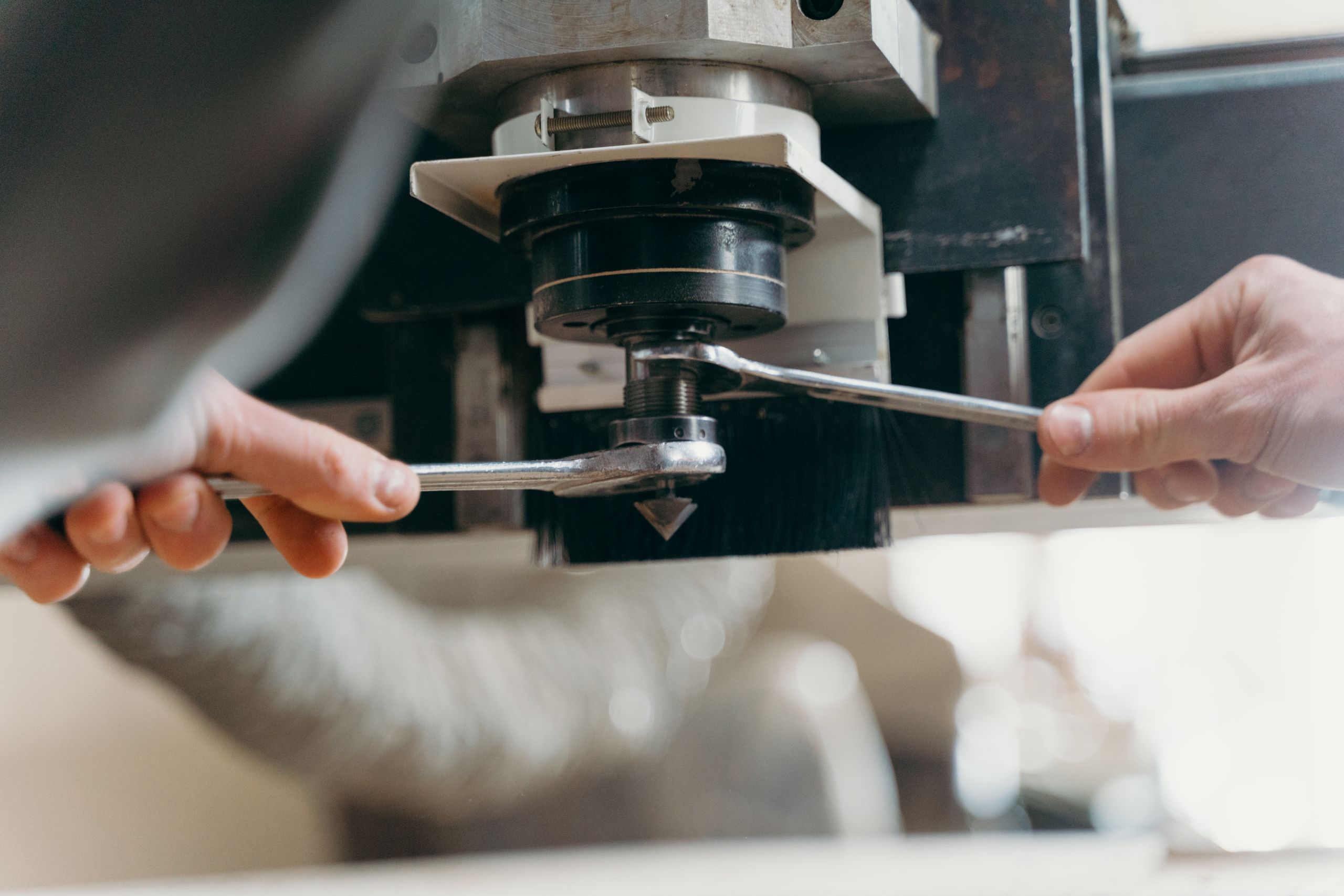
7. Setup and safety checklist
- Inspect the tool, shank, collet, and cutting segments.
- Secure the stone rigidly and verify toolpath clearance.
- Confirm spindle runout and minimize tool overhang.
- Use suitable wet cooling or dust extraction.
- Protect electrical equipment from coolant and slurry.
- Use guards, eye protection, hearing protection, and respiratory controls.
- Stop immediately for unusual vibration, sound, or visible damage.
Troubleshooting
Fast wear may indicate the wrong tool material, insufficient cooling, excessive speed, or abrasive recutting. Edge chipping can result from aggressive entry, poor workholding, runout, or material cracks. Uneven engraving depth usually points to an unlevel surface, inconsistent zero, or workpiece movement.
For precision engraving geometry, see our 3D carving knife guide. Employers should review official crystalline silica safety guidance when machining stone.
Frequently asked questions
Can an ordinary engraving cutter machine stone?
Usually not effectively. Ordinary cutters may lack the wear resistance and structural strength needed for abrasive mineral materials.
Is wet cutting required?
It depends on the tool, stone, machine, and process. When approved, wet cutting can cool the edge and suppress dust; otherwise use an engineered dust-control system.
How is tool life improved?
Use the correct tool grade, stable workholding, low runout, suitable parameters, effective cooling or extraction, and shallow test passes before full-depth production.
Summary
The stone carving knife must match the material, carving method, geometry, machine, and cooling strategy. Correct selection and a controlled setup improve accuracy, finish, safety, and tool life.

发表回复
要发表评论,您必须先登录。