
A double edge helical milling cutter is a solid-carbide CNC router tool with two spiral cutting edges for efficient two-dimensional cutting, engraving, slotting, and profiling. The helical geometry provides gradual engagement, effective chip movement, lower impact, and a smoother machined surface.
Table of Contents
Double Edge Helical Milling Cutter Overview
Two carbide edges share the cutting load while the spiral flute moves chips away from the cut. Upcut geometry favors evacuation; downcut geometry can help protect the top surface. Select the helix direction according to workholding, surface requirements, and chip flow.
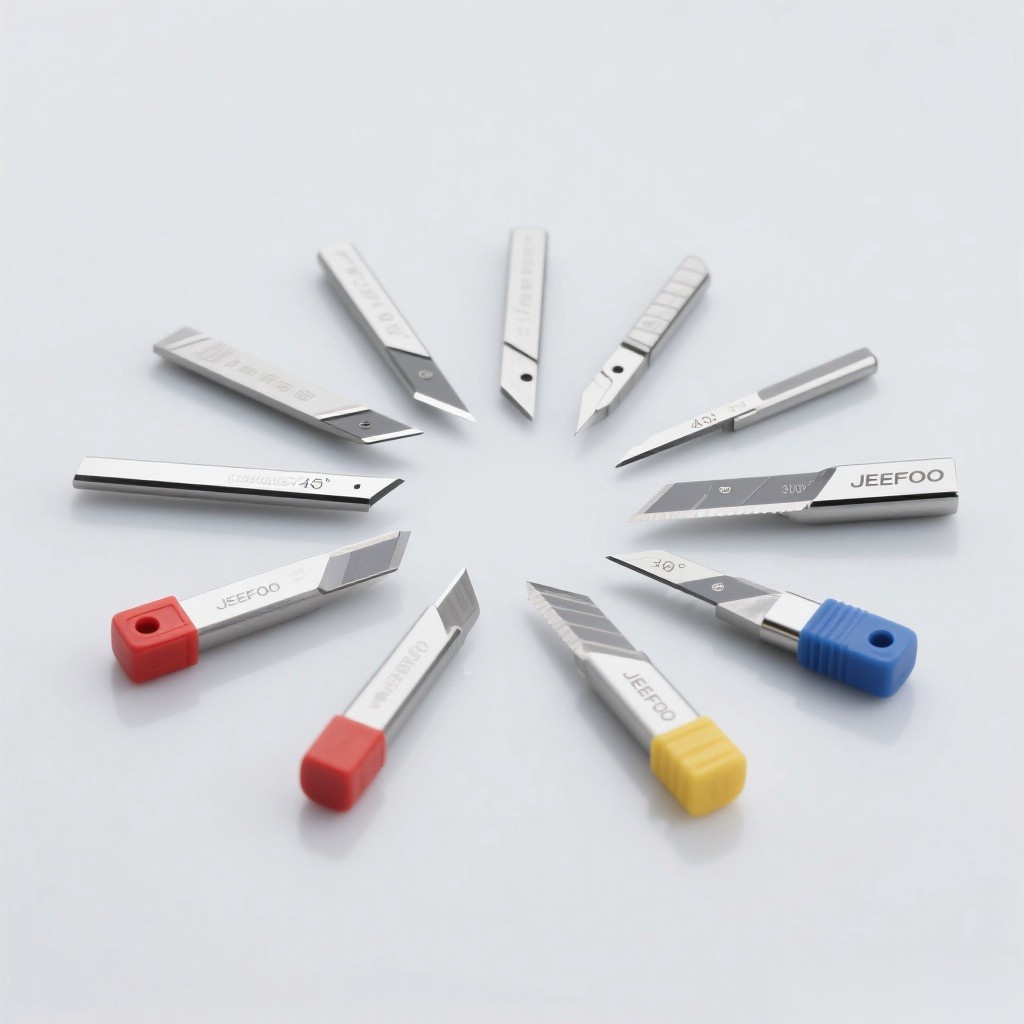
1. Main Advantages
- Gradual tooth engagement reduces impact and vibration.
- Two cutting edges support stable productivity.
- Spiral flutes improve chip evacuation.
- Carbide provides wear resistance and edge retention.
- Suitable for thick plates, profiles, slots, and engraving.
2. Suitable Materials
This cutter is commonly used for acrylic, PVC, ABS, engineering plastics, MDF, wood composites, aluminum, copper, and selected ferrous metals. Confirm the carbide grade, coating, helix, lubrication, and cutting data before machining metal.
3. Typical Applications
Typical work includes two-dimensional cutting, plane engraving, slotting, contour machining, sign making, acrylic fabrication, panel profiling, and processing thick plates. A double edge helical milling cutter can also rough compatible metals when the machine and cutting data are appropriate.
4. Selection Guide
| Factor | Selection advice |
|---|---|
| Diameter | Match slot width and machine rigidity |
| Helix direction | Match chip flow and surface needs |
| Cutting length | Use the shortest length that clears the work |
| Carbide grade | Balance toughness and wear resistance |
| Coating | Match heat and abrasion conditions |
5. Speed and Feed
Set spindle speed for the double edge helical milling cutter according to diameter, material, carbide grade, and machine limits. Choose feed per tooth high enough to form a stable chip without overloading the edges. Rubbing causes heat, melting, burning, and rapid wear.
6. Setup Checklist
- Inspect both spiral edges for chips and cracks.
- Clean the shank, collet, nut, and spindle taper.
- Clamp the shank without gripping the flute.
- Minimize overhang and verify runout.
- Secure the workpiece and confirm toolpath clearance.
- Use suitable air, coolant, or dust extraction.
7. Troubleshooting
Chatter often indicates excess overhang, poor workholding, runout, or aggressive engagement. Melting plastic indicates heat buildup or weak chip evacuation. A rough surface can result from a dull edge, incorrect helix direction, or unstable feed. Compare related geometry in our straight groove milling cutter guide.
Safety and Maintenance
Use machine guards, dust control, and suitable personal protective equipment. Stop the spindle before measuring or clearing chips. Follow the machine manual and applicable machine-guarding guidance. Store the carbide cutter in a protective holder.
Frequently Asked Questions
What is a double edge helical milling cutter used for?
It is used for CNC cutting, engraving, slotting, and profiling in plastics, wood products, and compatible metals.
Why use a helical edge?
A helical edge enters gradually, moves chips efficiently, and can improve cutting smoothness.
Can it cut thick acrylic?
Yes, when cutting length, helix direction, speed, feed, and chip evacuation are correctly selected.
Summary
Select a double edge helical milling cutter by matching diameter, cutting length, helix direction, carbide grade, and coating to the material and operation. Correct feed, low runout, rigid workholding, and effective chip removal improve finish and tool life.

发表回复
要发表评论,您必须先登录。