
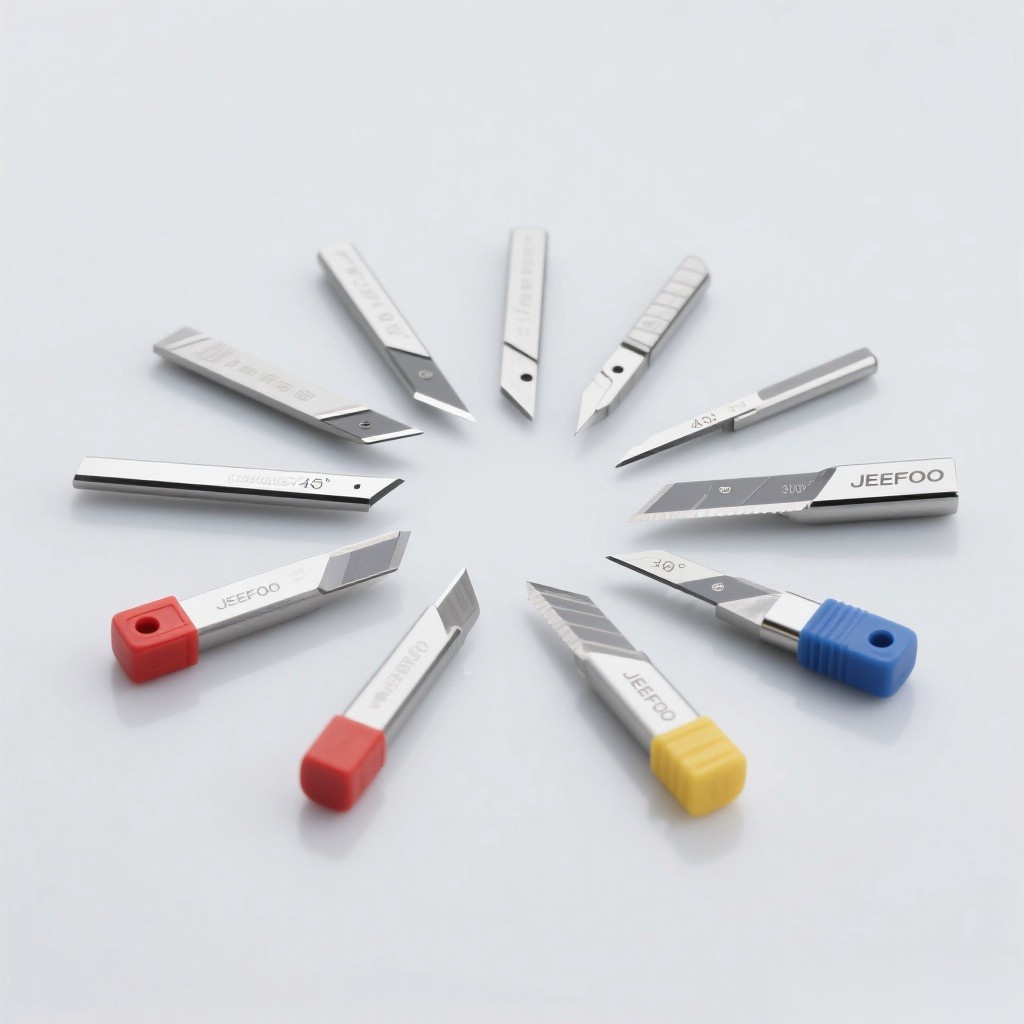
A tungsten steel milling cutter is a carbide cutting tool engineered for high hardness, wear resistance, and efficient CNC machining. In many markets, “tungsten steel” is a commercial name for cemented tungsten carbide rather than ordinary steel. The tool combines hard carbide particles with a metallic binder to produce a rigid cutting edge.
Table of Contents
What Is a Tungsten Steel Milling Cutter?
The cutter is typically produced from cemented carbide containing tungsten carbide grains bonded with cobalt or another binder. Its high compressive strength and hot hardness allow it to maintain a sharp edge at cutting speeds that would quickly wear many high-speed-steel tools. The tradeoff is lower toughness: carbide can chip if the setup is unstable or the tool experiences impact.
Tungsten Carbide vs High-Speed Steel
| Property | Tungsten carbide cutter | High-speed steel cutter |
|---|---|---|
| Hardness | Very high | Moderate |
| Wear resistance | Excellent | Good |
| Toughness | Lower | Higher |
| Cutting speed potential | High | Lower |
| Best setup | Rigid CNC machine | Mixed or less rigid conditions |
1. Main Advantages
- High wear resistance for longer edge life.
- Strong hot hardness during high-speed machining.
- Good dimensional stability in a rigid setup.
- Sharp geometries for finishing and small-feature work.
- Wide availability of grades, coatings, and flute designs.
2. Important Limitations
Carbide is hard but relatively brittle. Excessive runout, long overhang, interrupted cutting, loose workholding, or a collision can chip the edge. A tungsten steel milling cutter should be mounted in a clean, accurate holder and used with parameters suitable for the tool grade and workpiece material.
3. Common Applications
Typical uses include slotting, profiling, pocketing, engraving, contour milling, finishing, and machining hardened or abrasive materials within the cutter maker’s recommended range. Small solid-carbide tools are common in CNC machining centers, routers, and engraving machines where spindle accuracy and toolholding are controlled.
4. How to Select the Right Grade
Fine-grain carbide can support sharp edges and wear resistance, while tougher grades may tolerate interrupted cuts better. Match substrate and coating to the workpiece. Aluminum often benefits from polished, uncoated or nonferrous-specific geometry; steels may benefit from heat- and wear-resistant coatings; stainless steel requires toughness and controlled heat.
5. Flute Count and Geometry
Fewer flutes provide more chip space, which is useful in aluminum and deep slots. More flutes can increase feed potential and support finishing in stable conditions. Ball nose, square end, corner-radius, roughing, and tapered geometries serve different toolpaths. Review our CNC milling cutter types guide when comparing shapes.
6. Cutting Parameters
Start with the manufacturer’s surface-speed, chip-load, axial-depth, and radial-engagement data. Adjust for tool diameter, holder runout, spindle power, coolant, machine rigidity, and toolpath. Avoid rubbing: feed must create an appropriate chip while remaining within the stable load range.
7. Tool Life and Maintenance
- Inspect the edge for chips and abnormal wear.
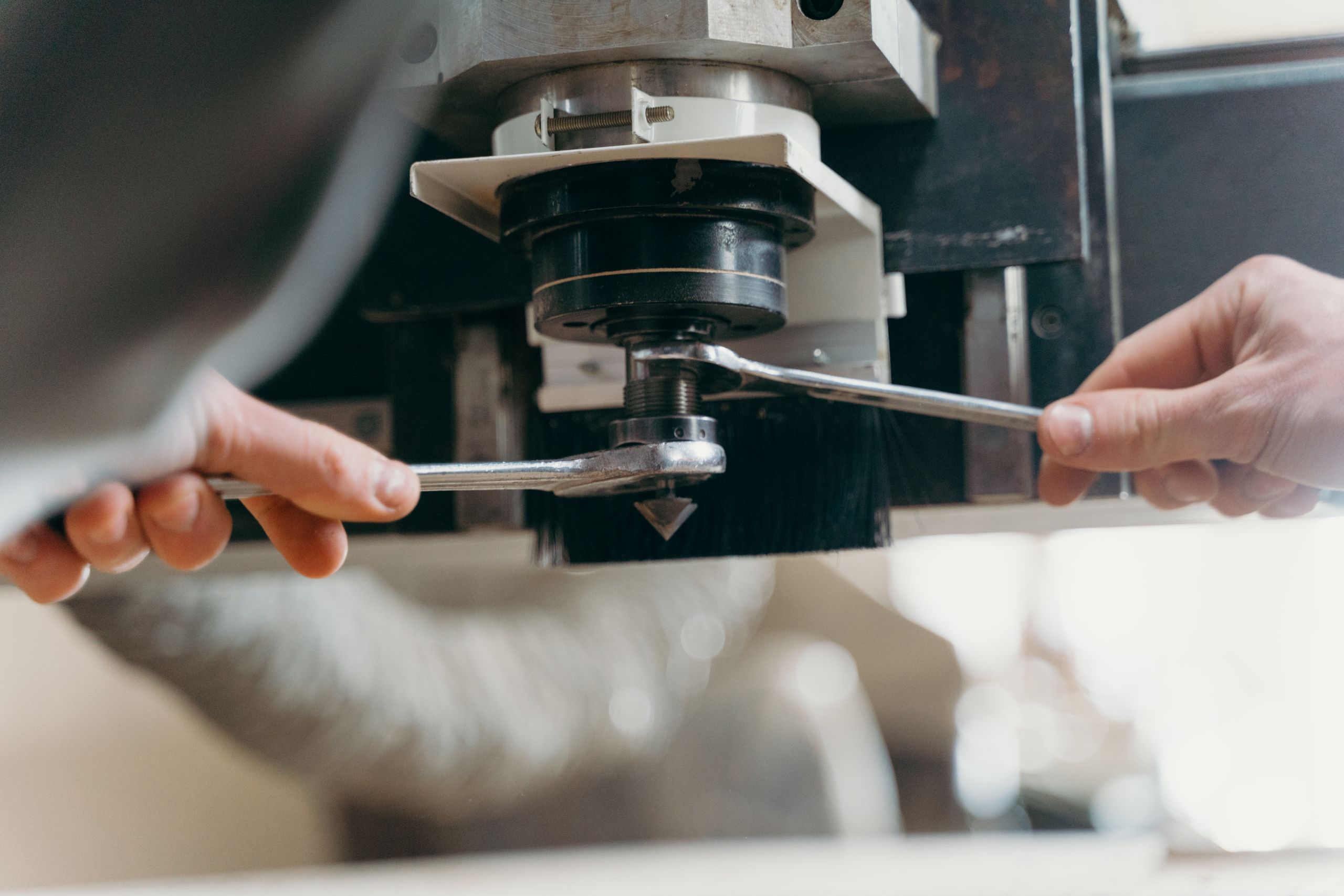
- Clean the holder, collet, and shank before installation.
- Minimize overhang and verify runout.
- Remove chips with an approved coolant or air strategy.
- Replace the tool before wear damages the workpiece or holder.
Safety Checklist
Secure the workpiece, verify tool clearance, keep machine doors and guards closed, and use required personal protective equipment. Follow the machine manual and applicable OSHA machine guarding guidance.
Frequently Asked Questions
Is tungsten steel actually steel?
In cutting-tool terminology it often refers to cemented tungsten carbide. It is not the same as conventional alloy steel, so buyers should confirm the stated substrate and grade.
Can carbide cutters machine hardened steel?
Some grades and coatings can, but capability depends on workpiece hardness, tool geometry, rigidity, and manufacturer limits. Validate the process with conservative data and a controlled test cut.
Summary
A tungsten steel milling cutter offers high hardness, wear resistance, and speed potential, but it needs rigid toolholding and controlled cutting forces. Select the carbide grade, coating, flute count, and geometry for the material and operation, then confirm performance with a measured trial.

发表回复
要发表评论,您必须先登录。