
How to choose a milling cutter starts with the machining feature, workpiece material, machine rigidity, tool reach and required finish. Match cutter geometry, diameter, flute count, material and coating to the operation, then confirm the choice with stable cutting data and measured wear.
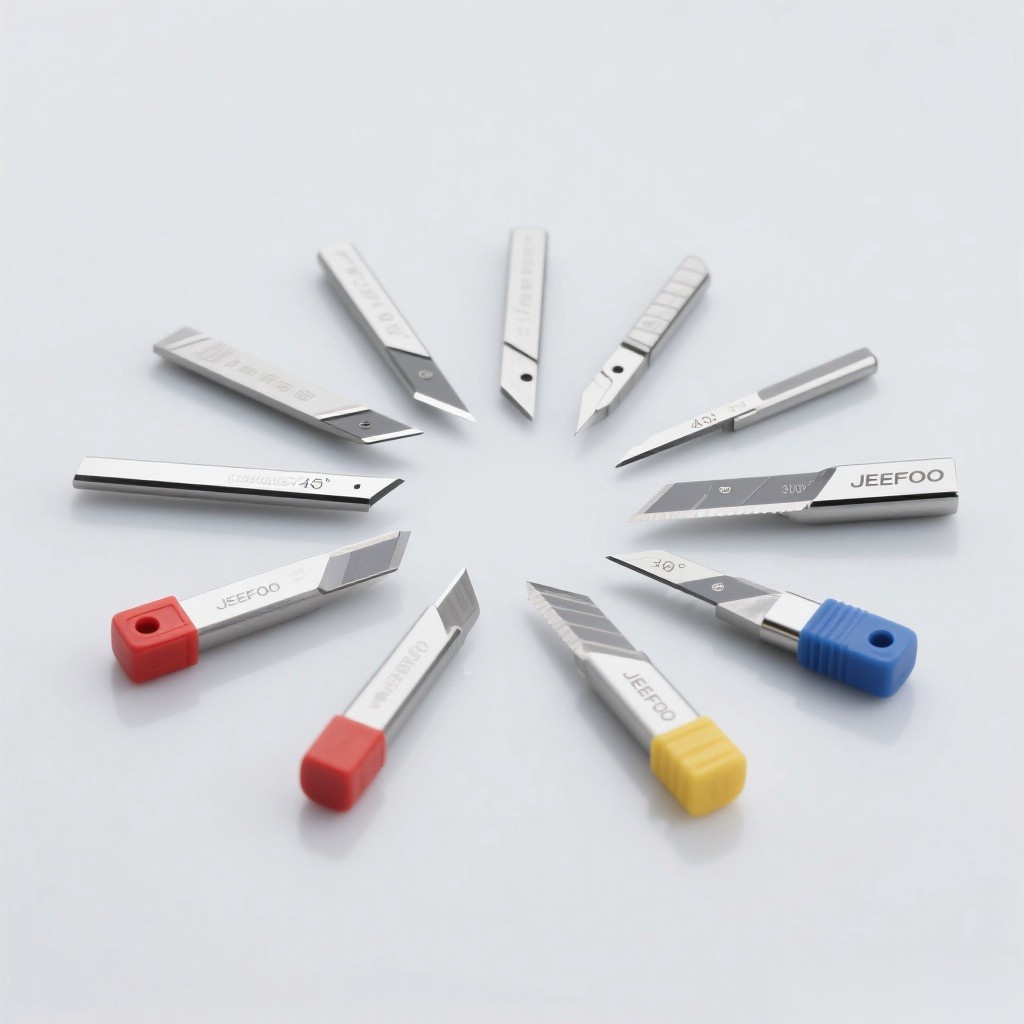
How to Choose a Milling Cutter: Quick Guide
| Machining task | Practical cutter choice | Main reason |
|---|---|---|
| Large flat surface | Indexable face mill | High productivity and replaceable edges |
| Slot or keyway | Slot drill or keyway cutter | Chip space and dimensional control |
| Shoulder or step | Square end mill or shoulder mill | Accurate walls and floors |
| 3D contour | Ball-nose or barrel cutter | Continuous contact on curved surfaces |
| Roughing | Roughing or high-feed cutter | Lower cutting force and high removal rate |
| Finishing | Sharp multi-flute end mill | Stable edge and fine surface |
1. Define the Feature and Operation
Start with what the cutter must create: a face, pocket, slot, shoulder, chamfer, radius, hole or free-form surface. The feature determines the cutter shape and whether the tool must cut at its center. A ball-nose cutter is suitable for 3D contours, while a square end mill produces flat floors and vertical walls. Face mills are more efficient on broad planes.
2. Match the Cutter to the Workpiece Material
| Workpiece | Starting geometry and material | Selection note |
|---|---|---|
| Steel | Coated carbide, moderate-positive geometry | Balance heat resistance and edge strength |
| Stainless steel | Sharp, tough coated carbide | Limit rubbing and work hardening |
| Aluminum | Polished, high-helix carbide | Large chip space reduces built-up edge |
| Cast iron | Wear-resistant carbide or ceramic | Control abrasive wear and dust |
| Hardened steel | Hard-milling carbide or CBN | Needs rigid setup and low runout |
| Graphite/composite | Diamond-coated carbide or PCD | Resists severe abrasion |
When deciding how to choose a milling cutter, always use the tool maker’s grade-specific application range rather than relying only on a generic coating name.
3. Select Diameter and Reach
Use the largest diameter that fits the feature and leaves adequate clearance. A larger diameter is generally stiffer, but excessive size can limit access or overload the spindle. Keep projection as short as practical because deflection rises rapidly with overhang. Deep cavities may require a necked, reduced-shank, modular or vibration-damped design.
- Check spindle power and maximum speed.
- Confirm holder clearance with the part and fixture.
- Measure radial runout before optimizing cutting data.
- Avoid using long reach unless the feature requires it.
4. Choose the Correct Flute Count
Fewer flutes provide more chip space and are useful in aluminum, deep slots and operations with heavy chip load. More flutes increase core strength and support higher feed rates when radial engagement is light. The best flute count depends on material, cutter diameter, chip evacuation and whether the tool is roughing or finishing.
5. Match Cutter Shape to the Surface
- Square end mill: flat floors, shoulders and general profiling.
- Ball-nose end mill: molds, dies and curved 3D surfaces.
- Corner-radius end mill: stronger corner for roughing and semi-finishing.
- Face mill: efficient machining of large planes.
- Keyway cutter: controlled slot width and center cutting.
- Chamfer mill: edge break, countersink and deburring.
6. Decide Between Solid and Indexable Tools
Solid-carbide end mills provide low runout, accurate small features and broad geometry choices. Indexable cutters use replaceable inserts and become economical at larger diameters or high material-removal rates. Exchangeable-head systems bridge the two by combining a reusable shank with a replaceable cutting head.
Understanding CNC milling cutter types helps compare body cost, edge replacement and rigidity before purchase.
7. Choose Geometry and Coating
Positive rake reduces cutting force and helps on soft or work-hardening materials. Stronger edges suit interrupted cuts and abrasive workpieces. Coatings should match cutting temperature and chemical compatibility: heat-resistant coatings often suit steels, while polished uncoated or specialized surfaces help prevent aluminum adhesion.
8. Check Machine, Holder and Coolant Conditions
A premium cutter cannot compensate for a damaged spindle taper, poor holder, excessive runout or weak fixture. Verify holder type, projection, balance and spindle-speed limit. Plan coolant, air blast or minimum-quantity lubrication so chips leave the cutting zone without being recut. Some high-temperature applications perform better dry; follow the cutter supplier’s recommendation.
9. Set Cutting Data and Validate the Choice
- Use supplier starting values for surface speed and feed per tooth.
- Set radial and axial engagement for the selected toolpath.
- Run a controlled trial while monitoring spindle load, sound and chips.
- Inspect finish, burrs, flank wear, chipping and thermal cracks.
- Adjust one major variable at a time and document the result.
The practical answer to how to choose a milling cutter is the option that produces a stable process and the lowest cost per acceptable part—not simply the tool with the longest catalog life.
Selection Checklist
- Feature type, dimensions, tolerance and finish
- Workpiece material and hardness
- Cutter shape, diameter, flute count and reach
- Tool material, grade and coating
- Machine rigidity, spindle power and speed
- Holder interface, runout and balancing limit
- Chip evacuation and coolant strategy
- Tool life target and cost per finished part
Machine guarding and safe operating procedures should follow the machine maker’s manual and applicable guidance such as OSHA machine guarding requirements.
Frequently Asked Questions
Which milling cutter is best for a curved surface?
A ball-nose cutter is a common choice for curved 3D surfaces. Barrel cutters may improve finishing productivity on compatible machines and geometries.
How many flutes should a milling cutter have?
Use fewer flutes when chip space is critical and more flutes when engagement is light and higher feed is required. Material, diameter and coolant conditions determine the final choice.
Should I choose HSS or carbide?
HSS offers toughness and economy at lower speed. Carbide provides higher hot hardness, rigidity and productivity for most modern CNC applications.
What is the most common selection mistake?
Using excessive tool overhang is a frequent mistake. It increases deflection and chatter even when cutter material and geometry are otherwise correct.
Summary
How to choose a milling cutter is a system decision. Define the feature, match the workpiece, select the shortest rigid tool, choose suitable flute space and geometry, then validate with supplier data and measured wear. Documenting the result makes future setups faster and more reliable.


发表回复
要发表评论,您必须先登录。