
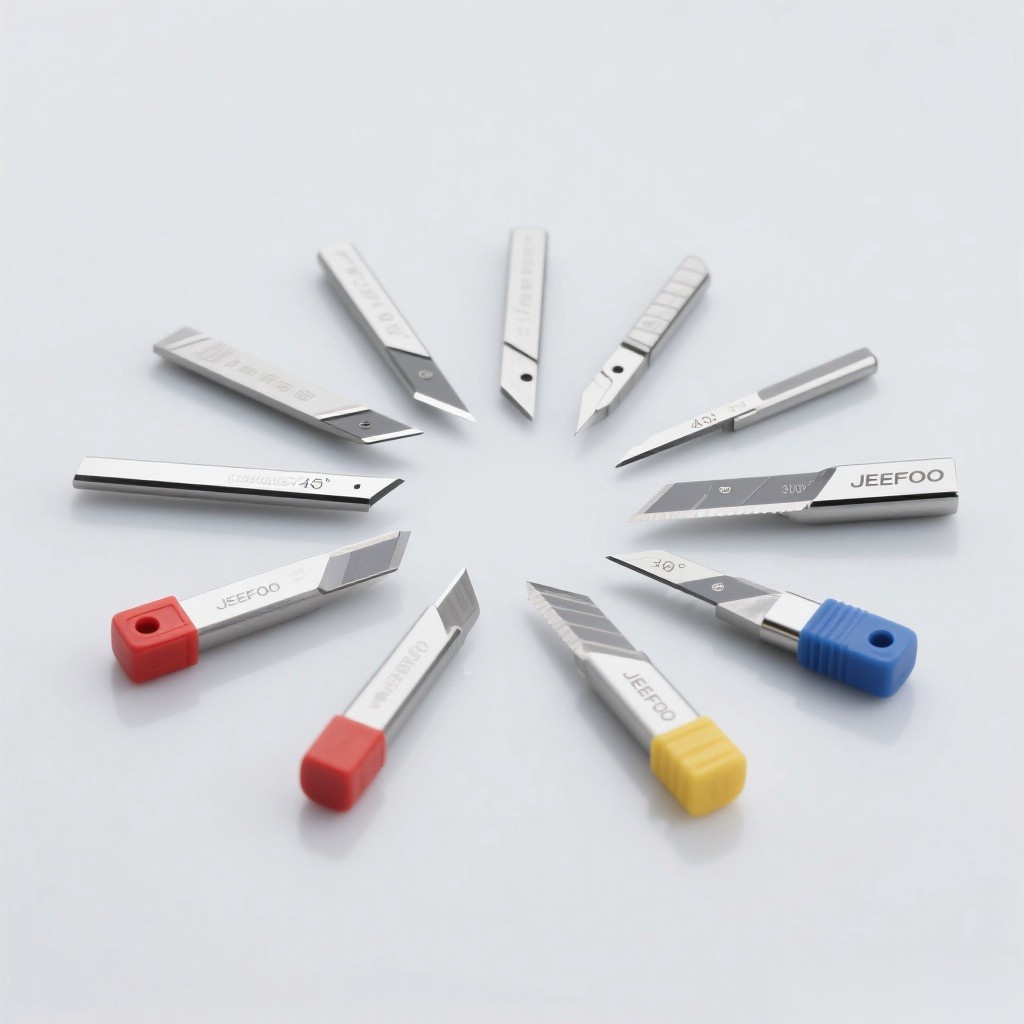
Face milling cutter uses include machining broad flat surfaces, producing datum faces, removing stock, finishing castings or forgings, creating shallow steps, and preparing parts for later operations. A face mill cuts mainly with teeth around its perimeter and face while its spindle axis remains approximately perpendicular to the machined surface.
Face Milling Cutter Uses: Quick Answer
Face mills are used when a part needs an efficient, controlled flat surface across a relatively wide area. Indexable carbide cutters are common in production because inserts can be matched to the workpiece and replaced individually. High-speed-steel cutters may still suit certain machines, materials, or resharpening requirements.
Seven Common Applications
| Application | Goal | Key control |
|---|---|---|
| Rough facing | Remove stock quickly | Power, pitch, depth, and chip space |
| Finish facing | Improve flatness and surface texture | Runout, wiper geometry, and feed |
| Datum preparation | Create a reference surface | Fixture support and machine alignment |
| Casting cleanup | Remove skin and establish a face | Insert toughness and entry strategy |
| Shallow step milling | Produce a level change | Lead angle and shoulder access |
| Large-part surfacing | Cover a broad area efficiently | Cutter diameter, overlap, and toolpath |
| Pre-machining | Prepare stock for drilling or finishing | Allowance and sequence |
Carbide Vs High-Speed-Steel Face Mills
| Factor | Indexable carbide | High-speed steel |
|---|---|---|
| Cutting speed | Often higher at suitable conditions | Often lower |
| Edge replacement | Index or replace inserts | Resharpen the cutter |
| Impact tolerance | Grade and geometry dependent | Often tougher |
| Diameter flexibility | Wide range of cutter bodies | Available in integral designs |
| Best choice | Stable production and grade flexibility | Specific machines or resharpening needs |
How To Match The Cutter To The Job
- Measure the part. Record surface width, length, stock allowance, interruptions, and shoulder requirements.
- Check the machine. Confirm spindle taper, power, torque, speed, travel, and rigidity.
- Choose diameter. Balance coverage, power, toolpath access, and entry position.
- Select lead angle. Match axial and radial force, chip thinning, and shoulder geometry.
- Choose pitch. Coarse pitch adds chip space; fine pitch adds teeth when stability and power permit.
- Match inserts. Select grade, coating, chipbreaker, corner, edge preparation, and wiper option.
Roughing Vs Finishing Strategy
Roughing prioritizes stable stock removal, chip evacuation, and insert strength. Finishing prioritizes runout, edge condition, feed marks, flatness, and consistent allowance. One cutter can sometimes perform both operations, but separate roughing and finishing tools may improve predictability in production.
Setup Checklist
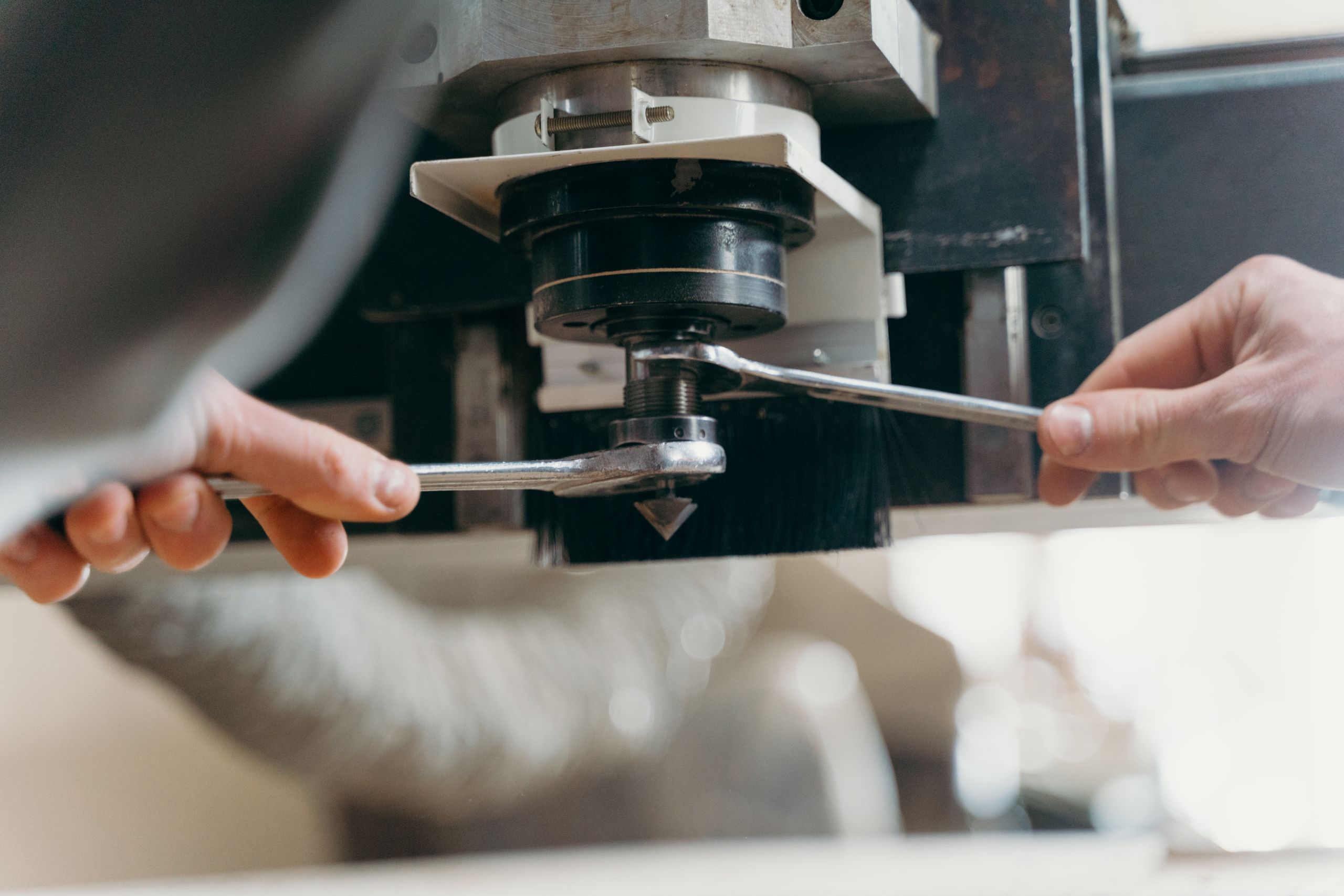
- Clean the spindle taper, arbor, cutter body, pockets, inserts, and screws.
- Inspect the body, seats, inserts, and wipers for damage.
- Torque inserts correctly and verify axial runout.
- Support the part against axial and radial cutting forces.
- Use supplier speed, feed per tooth, depth, width, and coolant guidance.
- Inspect chips, sound, spindle load, heat, flatness, and finish after a test pass.
Common Problems And Corrections
| Problem | Likely cause | Correction |
|---|---|---|
| Uneven surface | Runout, weak support, machine misalignment | Restore alignment, seating, and fixture rigidity |
| Chatter | Long overhang, fine pitch, unstable entry | Increase rigidity and adjust cutter or path |
| Insert chipping | Impact, hard scale, wrong grade | Improve entry and choose tougher geometry |
| High spindle load | Too many teeth or excessive engagement | Reduce load or choose coarser pitch |
| Burrs | Dull edge, exit direction, weak support | Change insert, path, and edge support |
Selection Summary
The most effective face milling cutter uses are broad flat-surface operations where diameter, lead angle, pitch, insert system, runout, and toolpath match the part and machine. Select roughing or finishing geometry without exceeding spindle, fixture, or stability limits. Browse the JeeFoo milling-tool range and follow applicable OSHA machine-guarding guidance.
Frequently Asked Questions
What is a face mill mainly used for?
It is mainly used for roughing and finishing broad surfaces perpendicular to the spindle axis.
Can a face mill create a square shoulder?
A 90-degree face-and-shoulder cutter can, while lower entering angles may not provide a true square shoulder.
Why are carbide inserts common?
They support high wear resistance, replaceable edges, material-specific grades, coatings, and chipbreaker geometries.

发表回复
要发表评论,您必须先登录。