
A wood carving knife is a hand tool with a sharpened steel cutting edge and a handle designed for controlled carving, engraving, paring, shaping, and detail work. Blade width, tip profile, bevel, steel, handle shape, and cutting direction determine the line width, depth, surface texture, access, and level of control.
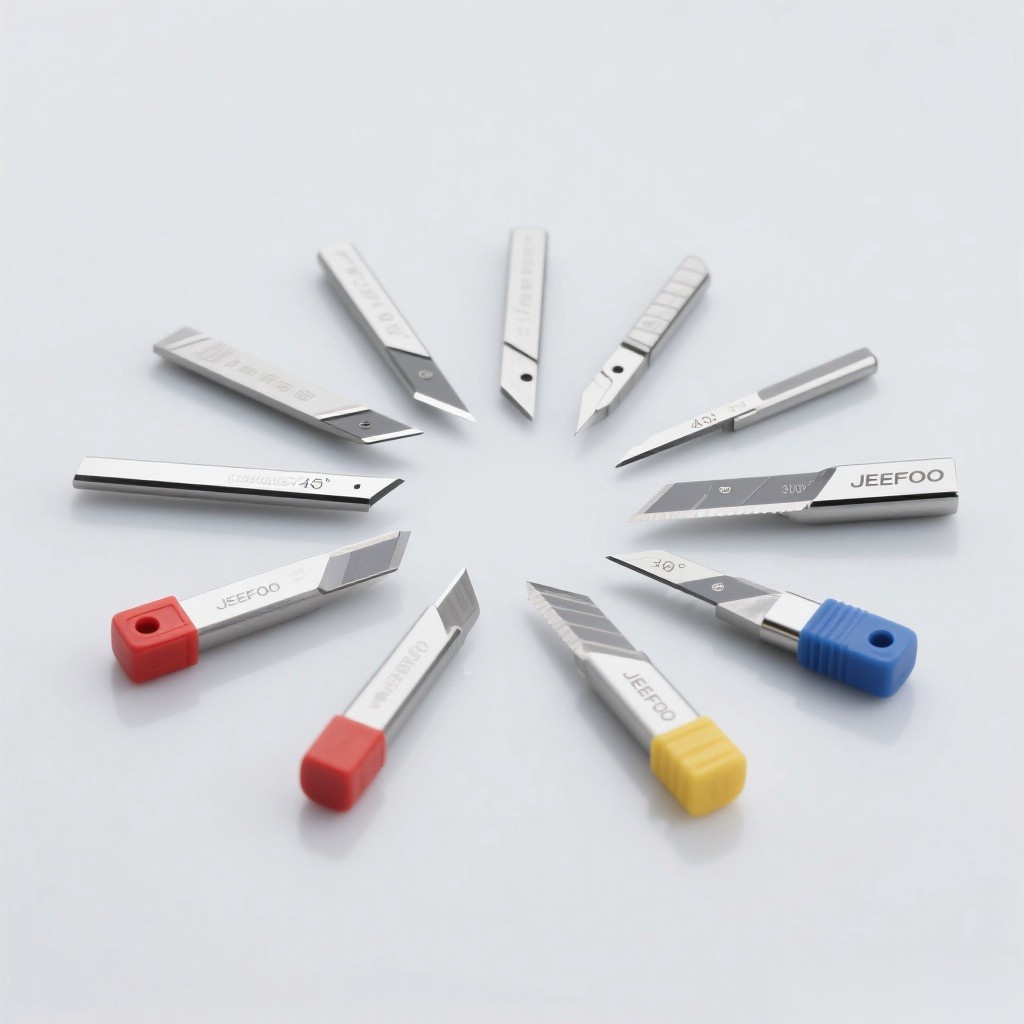
Wood Carving Knife: Quick Answer
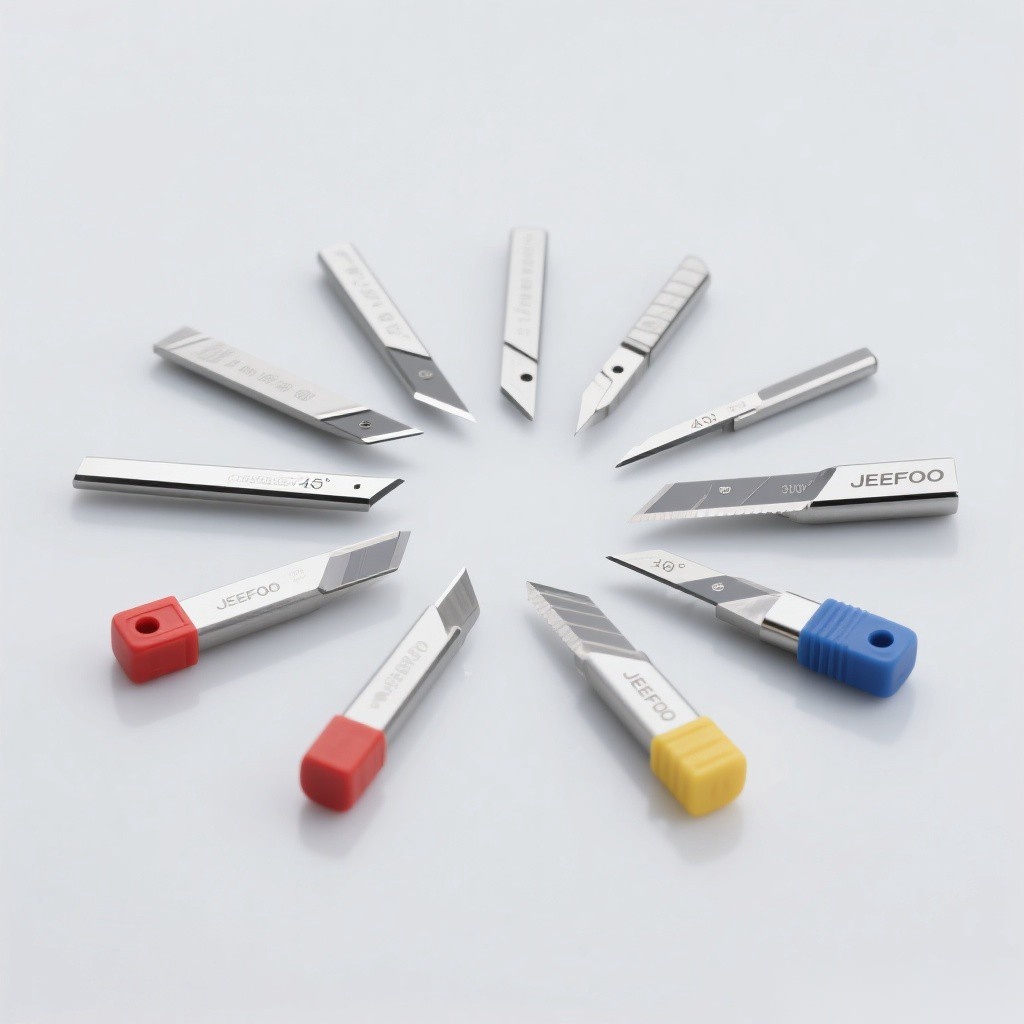
Carving knives are available with straight, curved, pointed, rounded, skewed, and flat cutting profiles. A round, oval, faceted, or curved handle changes grip comfort and orientation. Choose the tool according to the wood, grain, cut type, smallest feature, required depth, and safe hand position rather than relying on blade size alone.
Common Knife Types
| Knife type | Typical use | Main control |
|---|---|---|
| Detail knife | Fine lines, eyes, hair, small features | Tip condition and shallow cuts |
| Roughing knife | Removes stock and establishes form | Grain direction and workholding |
| Chip-carving knife | Geometric cuts and repeated patterns | Entry angle, depth, and cut sequence |
| Hook knife | Concave bowls and spoon interiors | Curve radius and protected grip |
| Skew knife | Corners, slicing cuts, line cleanup | Bevel orientation and corner access |
| Flat knife | Leveling, paring, broad facets | Edge width and controlled pressure |
Blade Shapes And What They Change
A pointed tip enters narrow details but is more vulnerable to damage. A rounded tip blends surfaces and reduces accidental digging. A straight rectangular blade can level or pare, while an oblique point reaches corners. Blade width helps determine the practical width of the cut, but bevel angle, depth, wrist angle, and grain direction also change the result.
How To Select A Wood Carving Knife
- Define the task. Separate roughing, detail, chip carving, hollowing, and finishing needs.
- Match the profile. Choose straight, curved, pointed, rounded, or skew geometry for access and cut shape.
- Check the steel. Balance edge retention, toughness, corrosion resistance, and sharpening response.
- Evaluate the handle. It should index the edge and support a secure, neutral grip.
- Choose the width. Use narrower blades for detail and wider blades for stock removal or broad facets.
- Inspect construction. The blade, tang, ferrule, and handle must be sound and firmly assembled.
Grain Direction And Cut Control
Wood fibers can lift or split when cut against rising grain. Use small slicing cuts and change approach when fibers begin to tear ahead of the edge. Support fragile details, remove stock in stages, and keep both hands positioned so a slip cannot drive the edge into the body. Never increase force to compensate for a dull tool or unstable workpiece.
Sharpening And Maintenance
- Maintain the maker’s intended bevel and edge angle.
- Use progressively finer abrasives only as needed.
- Hone and strop without rounding the tip or heel.
- Remove resin, dust, and moisture after use.
- Protect the edge in a sheath or dedicated rack.
- Replace a blade with cracks, severe chips, or unsafe handle damage.
Safe Carving Checklist
- Secure the wood with a vise, clamp, bench hook, or suitable carving fixture.
- Keep hands and body outside the projected cutting path.
- Inspect the blade, tang, ferrule, handle, and edge before use.
- Use appropriate eye, hand, dust, and workplace protection.
- Make a light test cut to confirm grain and edge control.
- Store the tool so the cutting edge is covered and cannot fall.
Common Problems And Corrections
| Problem | Likely cause | Correction |
|---|---|---|
| Torn grain | Wrong direction, dull edge, deep cut | Reverse approach, sharpen, and reduce cut size |
| Knife wanders | Too much force or unsuitable profile | Use slicing cuts and a better-matched blade |
| Broken tip | Prying, impact, or side load | Do not lever; select a stronger geometry |
| Hand fatigue | Poor handle fit or excessive pressure | Improve grip, sharpen, and take breaks |
| Uneven line | Changing depth or blade angle | Use guides, shallow passes, and stable support |
Selection Summary
Choose a wood carving knife by task, blade profile, width, steel, bevel, handle, and construction. Use a sharp, sound tool on securely held wood, follow grain, remove small amounts, and keep every hand outside the cutting path. Browse the JeeFoo tool range and follow applicable OSHA hand-tool safety guidance.
Frequently Asked Questions
Which carving knife should a beginner use?
A controllable detail or general carving knife with a secure handle and sound edge is a practical starting point, paired with instruction and safe workholding.
Why are some handles oval or faceted?
These shapes can index edge orientation, resist rolling, and provide different grip surfaces for controlled cuts.
Can a carving knife be used as a pry tool?
No. Prying creates unsafe side loads that can break the tip, loosen the handle, or cause loss of control.


发表回复
要发表评论,您必须先登录。