
A single edge helical ball end mill is a carbide cutter with one spiral flute and a rounded tip for fine 3D carving, relief work, contoured finishing, and curved grooves. Its large chip channel can support evacuation in approved plastics, wood, aluminum, and other materials, while the ball end follows sculpted surfaces without leaving a sharp internal corner.
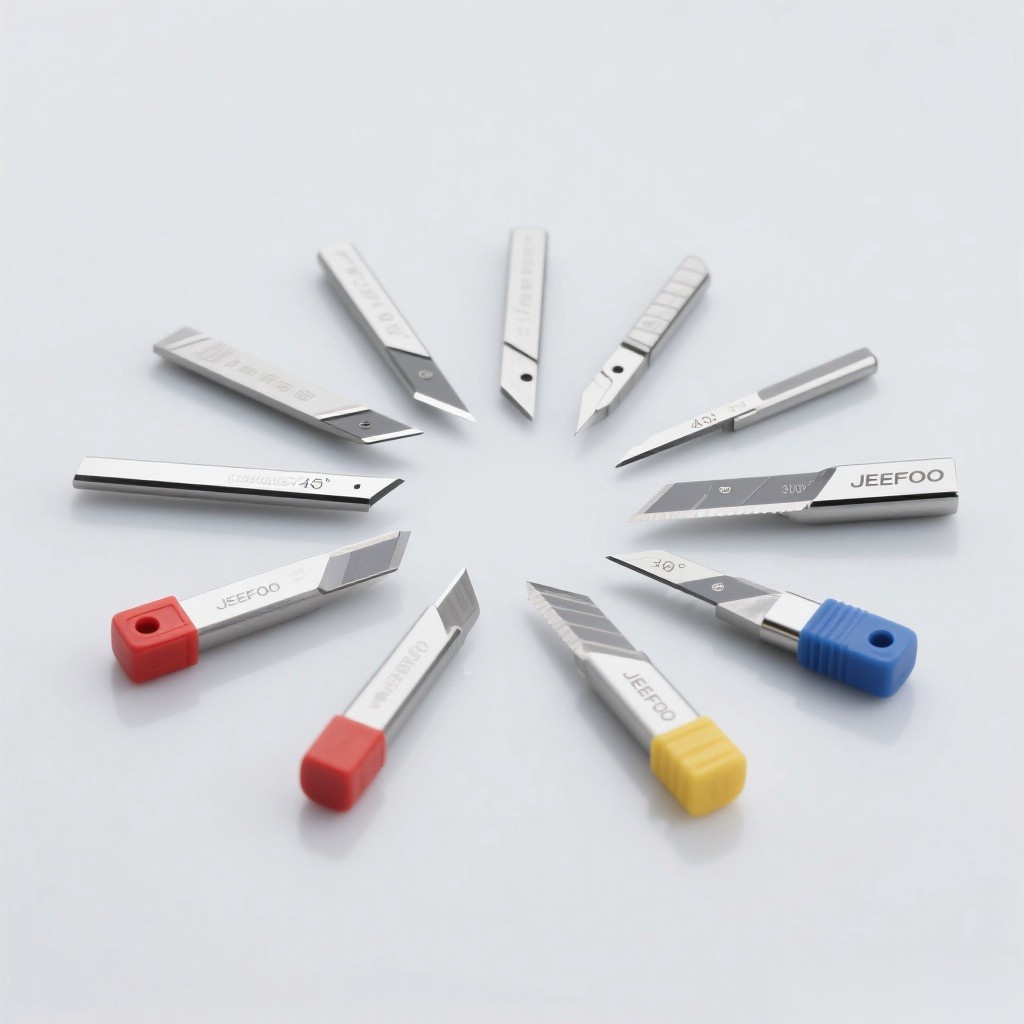
Single Edge Helical Ball End Mill: Quick Answer
The one-flute design leaves more space for chips than a multi-flute cutter of the same diameter. The hemispherical tip creates a changing effective cutting diameter, so surface slope, toolpath orientation, stepover, runout, chip load, and center-tip rubbing strongly affect finish and tool life.
Main Applications
| Application | Why the tool fits | Key control |
|---|---|---|
| 3D carving | Rounded tip follows sculpted geometry | Stepover and path direction |
| Relief finishing | Blends curved surfaces smoothly | Uniform finishing allowance |
| Round-bottom grooves | Ball radius forms a curved floor | Diameter and centerline position |
| Acrylic machining | Single flute provides chip space | Sharp polish, chip load, and cooling |
| Aluminum finishing | Open flute can clear soft-metal chips | Approved coating, lubrication, and evacuation |
Material Applications
For acrylic and PVC, a sharp polished edge can reduce heat and chip welding. For MDF and hardwood, dust extraction, grain direction, and edge support matter. For aluminum, use only a carbide grade, edge preparation, coating, lubricant, and cutting range approved for the alloy. Natural marble or sandstone requires a purpose-approved tool, dust controls, guarding, and process guidance; suitability must never be assumed from shape alone.
One Flute Vs Multiple Flutes
| Factor | Single edge | Multiple flutes |
|---|---|---|
| Chip space | Large | Smaller per flute |
| Feed per revolution | One tooth carries the chip load | Shared among more teeth |
| Edge contact | Intermittent with one cutting edge | More frequent contact |
| Best choice | Often useful for chip evacuation | May suit rigid finishing or different materials |
How To Select The Cutter
- Define the smallest radius. The ball radius must fit the tightest concave feature.
- Match the material. Confirm carbide, coating, polish, helix, and edge geometry.
- Choose diameter and reach. Use the largest rigid tool that reaches every surface.
- Minimize projection. Long reach increases deflection and chatter.
- Plan roughing first. Leave a small, uniform allowance for the finishing pass.
- Use supplier data. Start with approved speed, feed, engagement, and cooling values.
Stepover, Scallop Height, And Finish
A smaller stepover reduces scallop height but increases machining time. Because cutting speed approaches zero at the center of a ball end, tool tilt and path orientation can improve cutting action when the machine and geometry allow them. Use CAM simulation and cutter-maker data rather than applying one stepover to every slope.
Setup Checklist
- Clean the holder, collet, carbide shank, and spindle taper.
- Measure runout close to the rounded cutting edge.
- Clamp the workpiece against changing 3D cutting forces.
- Verify rotation, entry, clearance, and collision-free toolpaths.
- Provide material-appropriate air, extraction, lubrication, or coolant.
- Inspect chips, heat, finish, vibration, and edge wear after a guarded test pass.
Common Problems And Corrections
| Problem | Likely cause | Correction |
|---|---|---|
| Visible scallops | Large stepover or wrong radius | Reduce stepover and verify geometry |
| Center rubbing | Cutting at the near-zero-speed tip | Change path orientation or tilt when permitted |
| Melted plastic | Heat, rubbing, packed chips | Restore chip formation and evacuation |
| Chatter | Long reach, runout, weak setup | Increase rigidity and stabilize engagement |
| Rapid wear | Wrong tool or cutting data | Match carbide and process to the material |
Selection Summary
Choose a single edge helical ball end mill for detailed 3D carving, relief finishing, blending, and curved grooves when one large flute supports chip evacuation. Match radius, material, carbide, reach, and machine capability, then control runout, stepover, chip load, and chip flow. Browse the JeeFoo cutter range and follow applicable OSHA machine-guarding guidance.
Frequently Asked Questions
What is this cutter mainly used for?
It is mainly used for 3D carving, relief finishing, contoured surfaces, blending, and round-bottom grooves.
Why can the center of the ball rub?
Effective cutting speed approaches zero at the center of the hemispherical tip, making orientation and path strategy important.
Can one tool cut every listed material?
No. The exact carbide, coating, polish, geometry, and supplier data must approve the specific material and process.


发表回复
要发表评论,您必须先登录。