
A single flute helical cutter is a tungsten-carbide rotary tool with one spiral cutting edge and a large chip channel. It is primarily used for 2D cutting, profiling, slotting, and selected pocketing operations where fast chip evacuation and a clean edge matter. The correct geometry, rotation, feed, spindle speed, reach, and cooling method depend on the material and machine.
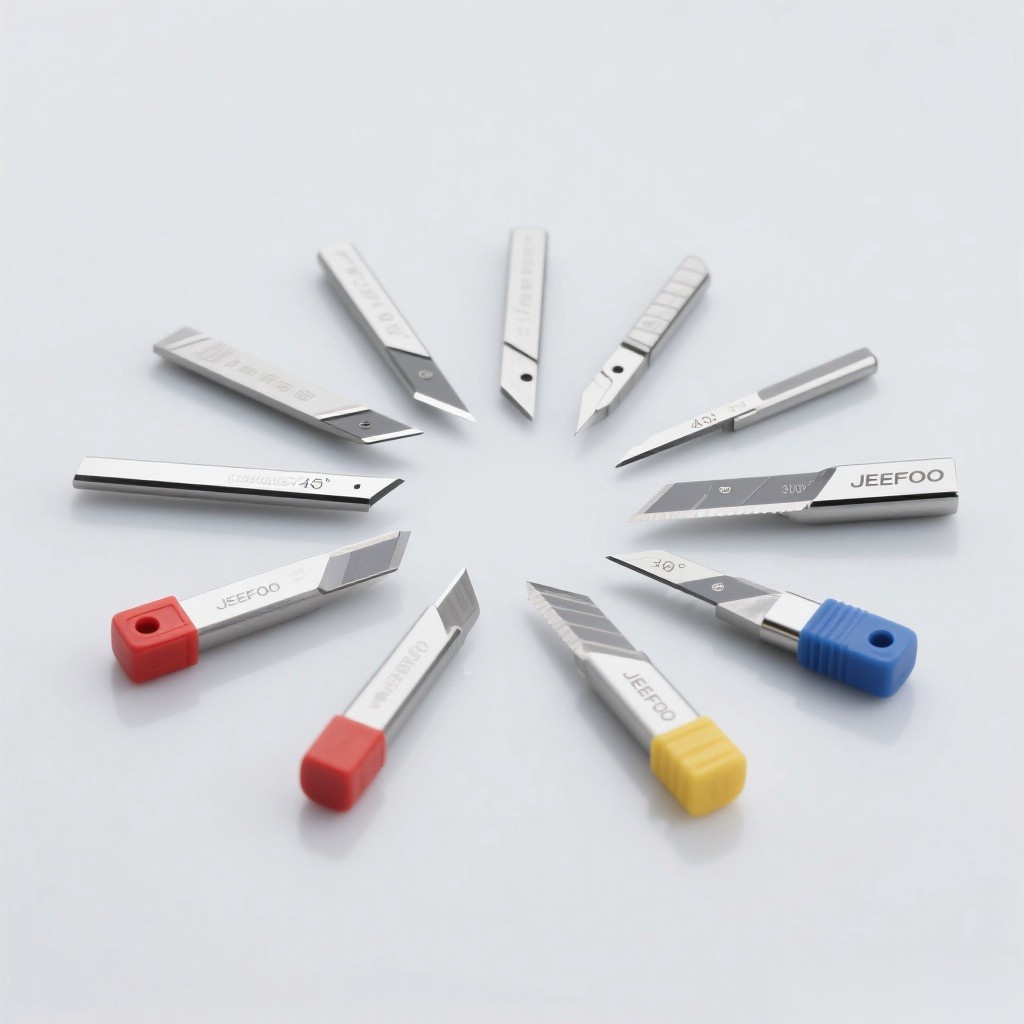
Single Flute Helical Cutter: Quick Answer
The single cutting edge leaves more room for chips than a multi-flute tool of the same diameter. This helps reduce chip packing at high spindle speeds, especially in plastics, aluminum, and other approved non-ferrous materials. One flute also permits a larger feed per revolution at the same chip load per tooth, but only when rigidity, power, balance, and chip evacuation are adequate.
Main Functions And Applications
| Operation | Why one flute helps | Key control |
|---|---|---|
| 2D profile cutting | Large flute clears chips from the edge | Direction, tabs, and finishing allowance |
| Slotting | Open channel reduces chip congestion | Depth per pass and evacuation |
| Pocketing | Useful when engagement is controlled | Entry method and radial load |
| Acrylic cutting | Polished geometry can reduce heat and edge marks | Sharpness, chip load, and air flow |
| Aluminum cutting | Space for larger, soft-metal chips | Coating, lubrication, and anti-recut strategy |
Why Tungsten Carbide Is Used
Tungsten carbide combines high hardness, compressive strength, wear resistance, and hot hardness. It can hold a sharp edge longer than many high-speed-steel tools at suitable cutting conditions. Carbide is also less tolerant of impact, runout, vibration, and sudden engagement, so clean holders, rigid workholding, and smooth toolpaths are essential.
Upcut, Downcut, And Compression Direction
| Helix type | Chip direction | Typical benefit | Main caution |
|---|---|---|---|
| Upcut | Pulls chips upward | Strong evacuation from slots | May lift thin stock or mark the top edge |
| Downcut | Pushes chips downward | Can protect the top surface | Needs room below and strong chip control |
| Compression | Directs chips toward the center | Can protect both faces in sheet material | Correct engagement depth is critical |
How To Select A Single Flute Helical Cutter
- Confirm the material. Match carbide grade, edge polish, coating, and helix to the exact plastic, aluminum, composite, wood, or other approved workpiece.
- Choose the diameter. Use the largest rigid diameter that fits the smallest feature.
- Check cutting length and reach. Keep projection as short as access permits.
- Select chip direction. Balance evacuation, top-edge finish, bottom clearance, and workholding.
- Verify the shank and holder. The shank must match a clean, accurate collet or hydraulic holder.
- Use supplier cutting data. Start with approved speed, chip load, depth, width, and cooling guidance.
Chip Load, Feed, And Heat
Chip load is the feed per tooth. With one flute, spindle speed and feed must still produce a real chip rather than rubbing. Too little feed can generate heat, melt plastic, smear aluminum, and dull the edge. Too much feed can overload the flute or deflect the tool. Treat calculator results as a starting point and confirm them with the cutter maker, machine limits, runout, engagement, and test cuts.
Setup Checklist
- Clean the collet, holder, shank, and spindle taper.
- Measure runout close to the cutting edge.
- Clamp the workpiece against vertical and horizontal forces.
- Verify rotation, helix direction, entry, exit, and safe clearance.
- Use air, extraction, lubrication, or coolant only as approved for the material and machine.
- Inspect chip shape, sound, heat, finish, and tool wear after a guarded test pass.
Common Problems And Corrections
| Problem | Likely cause | Correction |
|---|---|---|
| Melted acrylic | Rubbing, heat, packed chips | Restore chip load and evacuation |
| Aluminum buildup | Wrong edge, coating, lubricant, or temperature | Match the cutter and process to the alloy |
| Chatter | Long projection, runout, weak setup | Increase rigidity and stabilize engagement |
| Top-edge tearout | Wrong helix direction or weak support | Review direction, backup, and finish pass |
| Tool breakage | Excess load, collision, chip packing | Stop and verify toolpath, data, and clearance |
Selection Summary
Choose a single flute helical cutter when 2D cutting and chip evacuation favor one large flute. Match carbide, polish, coating, diameter, reach, and helix direction to the material and machine, then control runout, chip load, engagement, and chip removal. Browse the JeeFoo cutting-tool range and follow applicable OSHA machine-guarding guidance.
Frequently Asked Questions
What is a single flute cutter best for?
It is often selected for 2D profiles, slots, acrylic, aluminum, and other jobs where a large chip channel improves evacuation.
Is an upcut or downcut helix better?
Neither is universally better. Choose according to chip direction, surface-finish priority, bottom clearance, material, and workholding.
Can one cutter machine acrylic and aluminum?
Only when its carbide grade, polish, coating, edge geometry, and supplier data approve both materials; dedicated tools often give more predictable results.


发表回复
要发表评论,您必须先登录。