
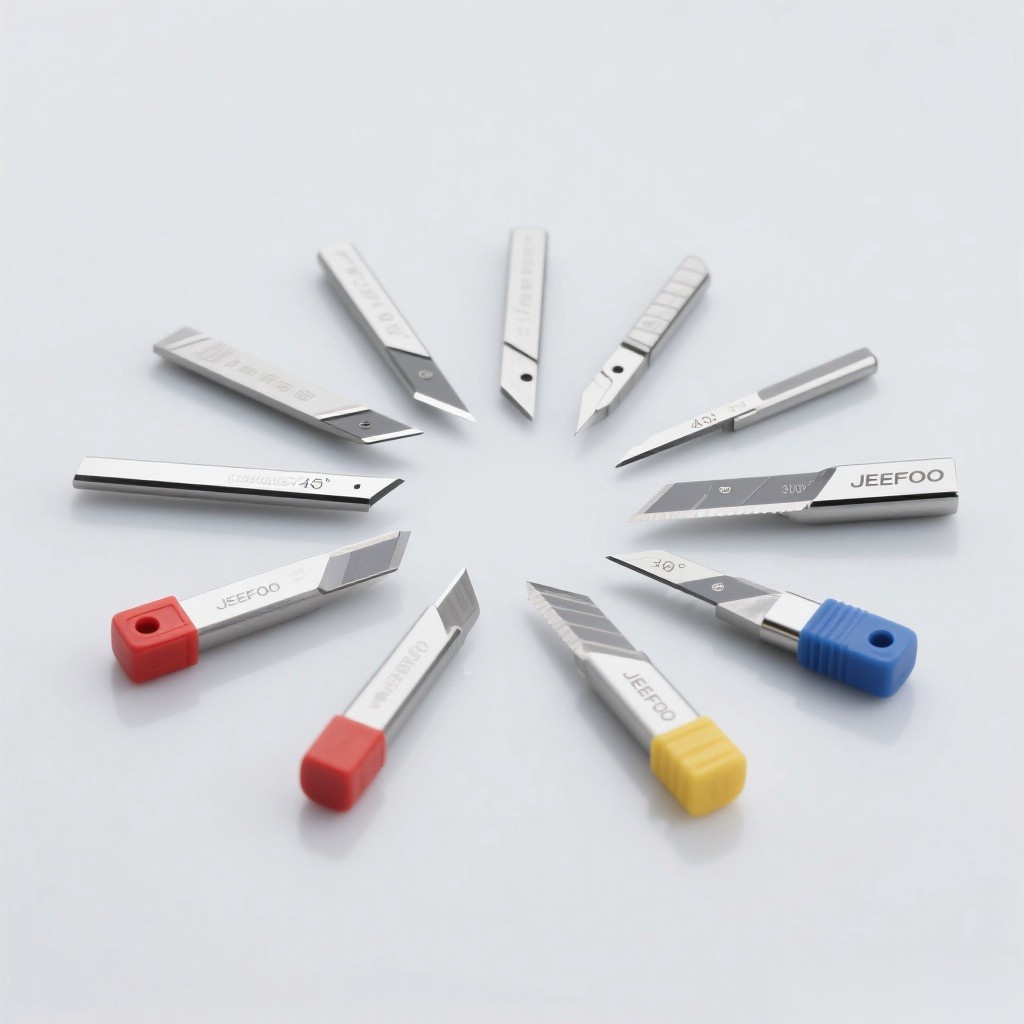
A flat carving knife is a straight-edged woodworking tool used to level uneven surfaces, pare raised areas, define lines, clean intersecting cuts, and create broad textured strokes. Narrow sizes handle detail and corner cleanup; wider sizes flatten larger surfaces. The correct width, bevel, steel, sharpness, grain direction, and hand control determine whether the cut is smooth or torn.
What Is a Flat Carving Knife?
The tool has a straight cutting edge rather than a curved gouge profile. Depending on bevel orientation and width, it can slice, pare, chisel, flatten, and incise. The sharp corners can define lines or remove small ridges where two cuts meet, but they can also dig into the work if the tool is twisted.
Main Uses
- Leveling high spots and smoothing carved wood surfaces.
- Removing ridges left between intersecting cuts.
- Defining straight lines, borders, and geometric details.
- Paring tenons, shoulders, and shallow recesses.
- Creating broad, blocky or brushstroke-like textures.
- Cleaning backgrounds around relief carving.
Flat Knife Sizes and Applications
| Width | Best use | Control priority |
|---|---|---|
| Narrow | Fine lines, corners, small cleanup | Avoid corner digging |
| Medium | General paring and relief work | Follow grain and maintain bevel support |
| Wide | Leveling broad areas and texture | Keep edge flat and use shallow cuts |
| Skewed edge | Slicing and access near boundaries | Control the leading point |
Single Bevel vs. Double Bevel
| Geometry | Behavior | Typical use |
|---|---|---|
| Single bevel | Flat side registers against a surface | Controlled paring and flat-bottom work |
| Double bevel | Centers the edge and turns more freely | General carving and V-like cuts |
| Low bevel angle | Sharp slicing but less edge support | Soft wood and fine finishing |
| Higher bevel angle | Stronger edge | Hard wood and heavier work |
How to Choose a Flat Carving Knife
- Match width to the feature. Use a tool narrower than the area when access and control matter.
- Choose bevel style. Single bevel supports flat registration; double bevel provides balanced carving.
- Match steel and hardness. Edge retention must balance toughness and ease of sharpening.
- Check handle control. Grip shape, length, and ferrule must support the intended force.
- Inspect edge flatness. A rounded or nicked edge leaves tracks on broad surfaces.
- Select for grain. Difficult grain benefits from a sharper edge and lighter slicing cuts.
Safe Cutting Technique
- Secure the workpiece and keep the free hand behind the edge.
- Read the grain and make shallow slicing cuts rather than prying.
- Support the bevel to control depth and prevent sudden diving.
- Use a mallet only with a knife designed for striking.
- Stop when the edge slips, chatters, or requires excessive force.
- Store the tool with an edge guard and a dry protective surface.
Sharpening and Troubleshooting
| Problem | Likely cause | Correction |
|---|---|---|
| Tracks on flat surface | Nicked edge or corner digging | Flatten, sharpen, and use shallower cuts |
| Torn grain | Cutting against grain or dull edge | Reverse direction and hone the tool |
| Edge rolls/chips | Wrong bevel angle or excessive force | Use a stronger bevel and controlled cuts |
| Uneven paring | Rounded back or poor bevel contact | Flatten the back and register the bevel |
| Tool slips | Loose workpiece or excessive pressure | Improve clamping and reduce force |
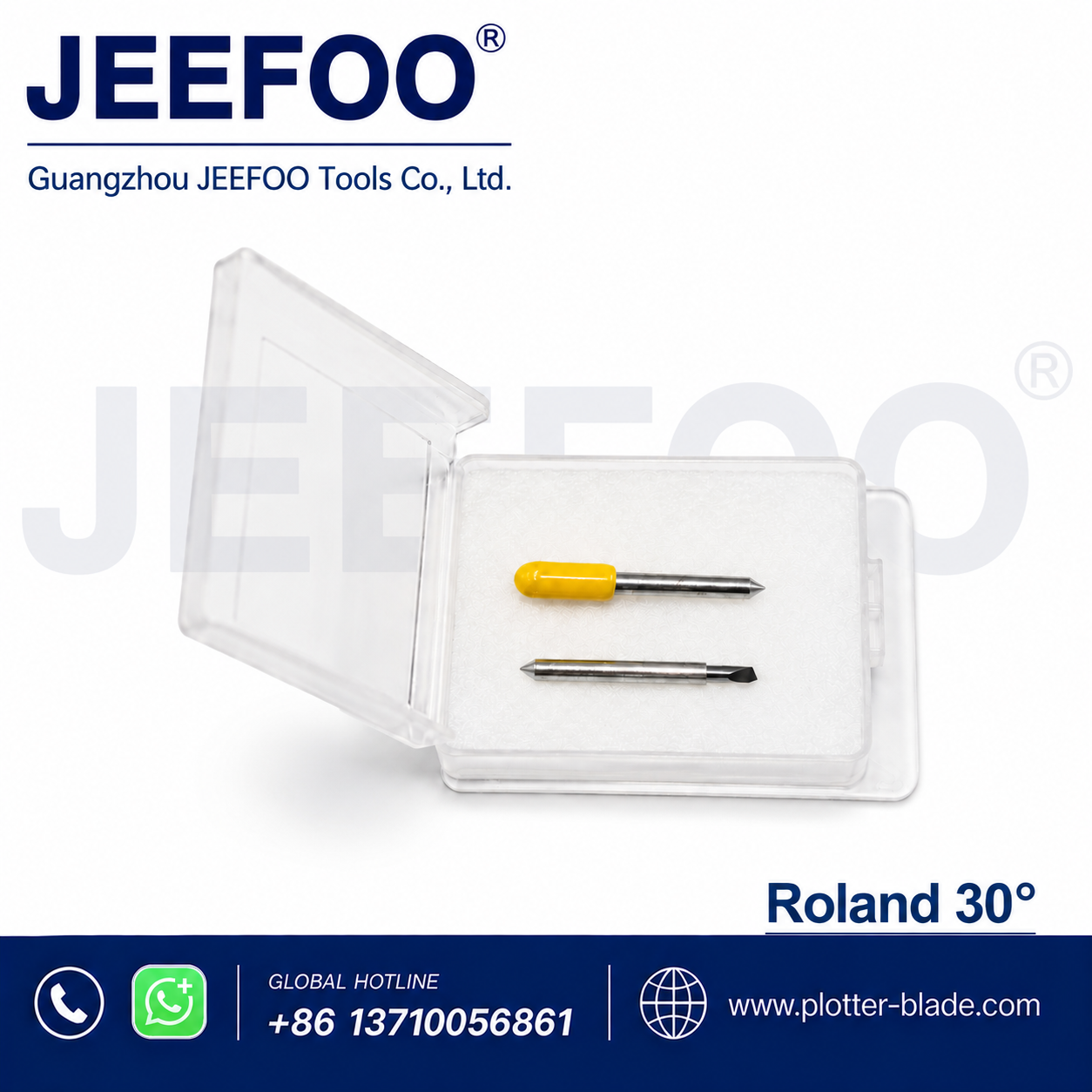
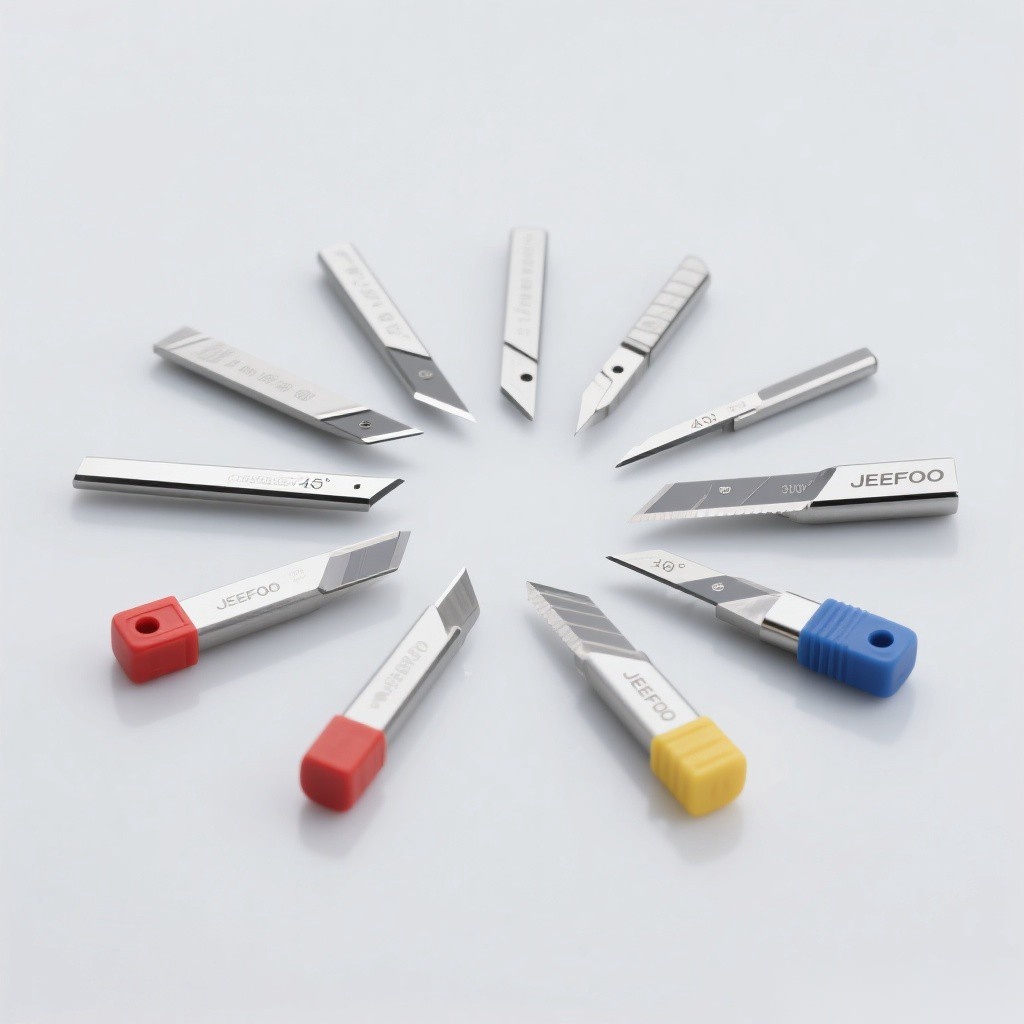
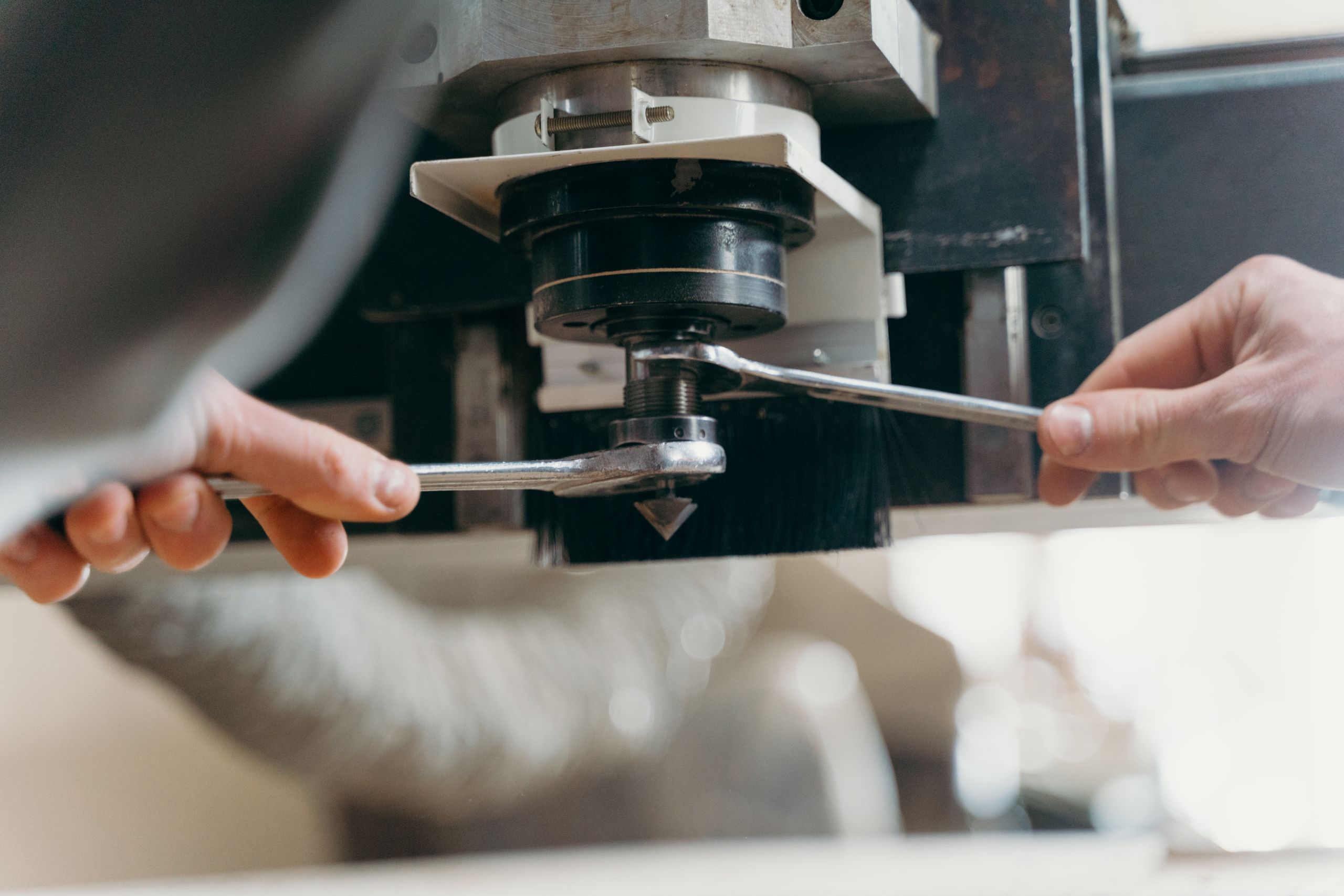
Explore related carving tools in the JeeFoo cutter library. For powered or machine-mounted tools, follow the machine manual and relevant OSHA machine-guarding guidance.
Frequently Asked Questions
What is a flat carving knife used for?
It is used for leveling, paring, line definition, broad texture, background cleanup, and removing ridges between cuts.
Which width should beginners choose?
A medium width is versatile, but the tool should remain narrower than the surface or detail that must be controlled.
Why does the knife tear wood?
The edge may be dull, the cut may oppose the grain, or the tool may be pushed too deeply instead of slicing.
Can a flat knife be struck with a mallet?
Only if its handle, tang, ferrule, and manufacturer rating are designed for mallet use.

发表回复
要发表评论,您必须先登录。