
The main advantages of face milling cutters are high material-removal rate, efficient machining of broad flat surfaces, replaceable cutting edges, flexible diameter and pitch options, and the ability to balance roughing productivity with finishing quality. These benefits depend on correct cutter geometry, insert grade, machine power, runout, cutter position, and chip evacuation.
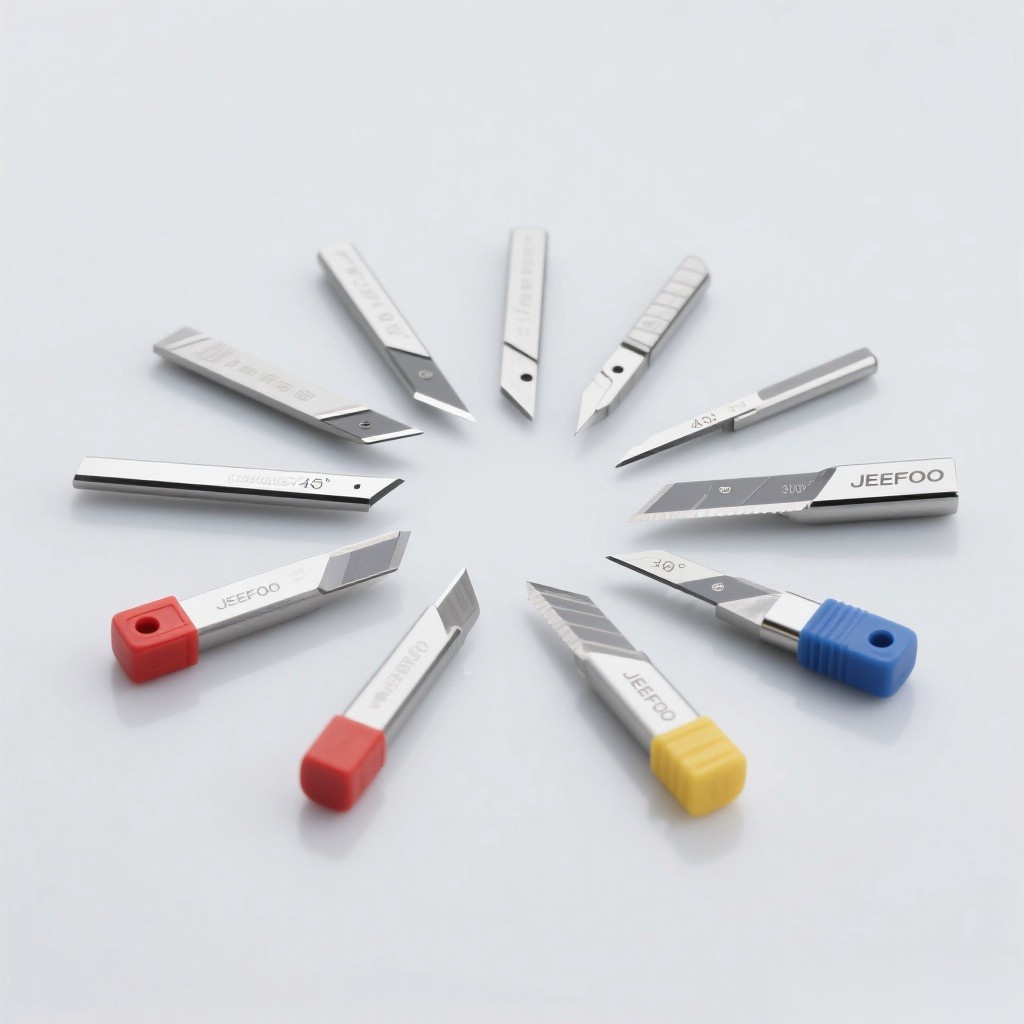
What Is a Face Milling Cutter?
A face mill is a rotating cutter with teeth or indexable inserts arranged around the body and often across part of its face. It machines surfaces mainly with peripheral edges while secondary edges generate the finished face. Large diameters can cover wide workpieces in fewer passes.
7 Key Advantages of Face Milling Cutters
- High productivity: multiple inserts cut during each revolution and support high feed rates.
- Wide surface coverage: large cutter diameters reduce the number of passes on broad faces.
- Replaceable edges: indexable inserts reduce sharpening downtime and simplify wear management.
- Roughing-to-finishing flexibility: geometry, pitch, lead angle, and wiper inserts can tune the result.
- Material versatility: insert grades and coatings can be matched to steel, cast iron, stainless, aluminum, and other materials.
- Predictable tool life: indexed edges and controlled engagement support planned replacement.
- Cost control: the cutter body is reused while only worn inserts are replaced.
Roughing vs. Finishing Benefits
| Factor | Roughing setup | Finishing setup |
|---|---|---|
| Primary goal | Material removal | Flatness and surface finish |
| Pitch | Coarse for chip space | Fine when power and evacuation permit |
| Insert geometry | Strong edge, tough grade | Sharp edge or wiper insert |
| Engagement | Higher depth/feed within machine limits | Controlled allowance and stable pass |
| Runout sensitivity | Important for equal load | Critical for consistent finish |
How to Choose a Face Mill
- Select diameter. A cutter slightly larger than the workpiece width can machine the face in one pass when power allows.
- Choose pitch. Coarse pitch suits limited power and long chips; fine pitch increases engaged teeth in stable work.
- Match lead angle. Lead angle changes radial and axial force, chip thinning, and edge strength.
- Match insert grade. Balance toughness, wear resistance, coating, and workpiece material.
- Verify mounting. Spindle, arbor, and holder must support cutter diameter and torque.
- Plan cutter position. Offset affects entry, exit, chip thickness, and burr formation.
When the Advantages Are Reduced
| Condition | Result | Correction |
|---|---|---|
| High runout | One insert carries most of the load | Clean seats and measure holder/cutter runout |
| Weak fixture | Chatter and poor flatness | Improve workpiece support and reduce overhang |
| Wrong pitch | Chip packing or power overload | Match tooth count to chips and spindle power |
| Poor insert grade | Chipping or rapid wear | Use a grade and geometry for the material |
| Chip recutting | Scratches and edge damage | Improve air/coolant direction and guarding |
Setup Checklist
- Clean insert pockets, mounting faces, and spindle interface.
- Use correct screws, torque, and insert orientation.
- Check spindle tram, axial runout, and cutter balance.
- Start with manufacturer speed and feed recommendations.
- Keep the workpiece supported close to the cutting zone.
- Inspect chips and wear pattern after the first test pass.
Explore related tools in the JeeFoo milling cutter library. Follow the machine manual and applicable OSHA machine-guarding guidance.
Frequently Asked Questions
Why is face milling productive?
Multiple inserts share the cut, large diameters cover wide surfaces, and indexable edges support high feed with fast replacement.
Can one face mill rough and finish?
Often yes, but insert geometry, pitch, cutting data, runout, and finishing allowance must be set for the required result.
What does a wiper insert do?
Its wider finishing edge smooths feed marks, but it cannot correct chatter, large runout, or poor spindle alignment.
Why does one insert wear faster?
That insert may sit high because of dirt, pocket damage, thickness variation, incorrect torque, or cutter runout.

发表回复
要发表评论,您必须先登录。