
A notch cutter is a peripheral milling or slotting tool designed to produce narrow grooves, notches, cutoffs, and key-like features in metal, plastic, wood, or composite parts. The correct cutter depends on groove width and depth, workpiece material, tooth pitch, arbor size, machine rigidity, and chip evacuation. A clean cut requires suitable geometry and cutting data—not hardness alone.
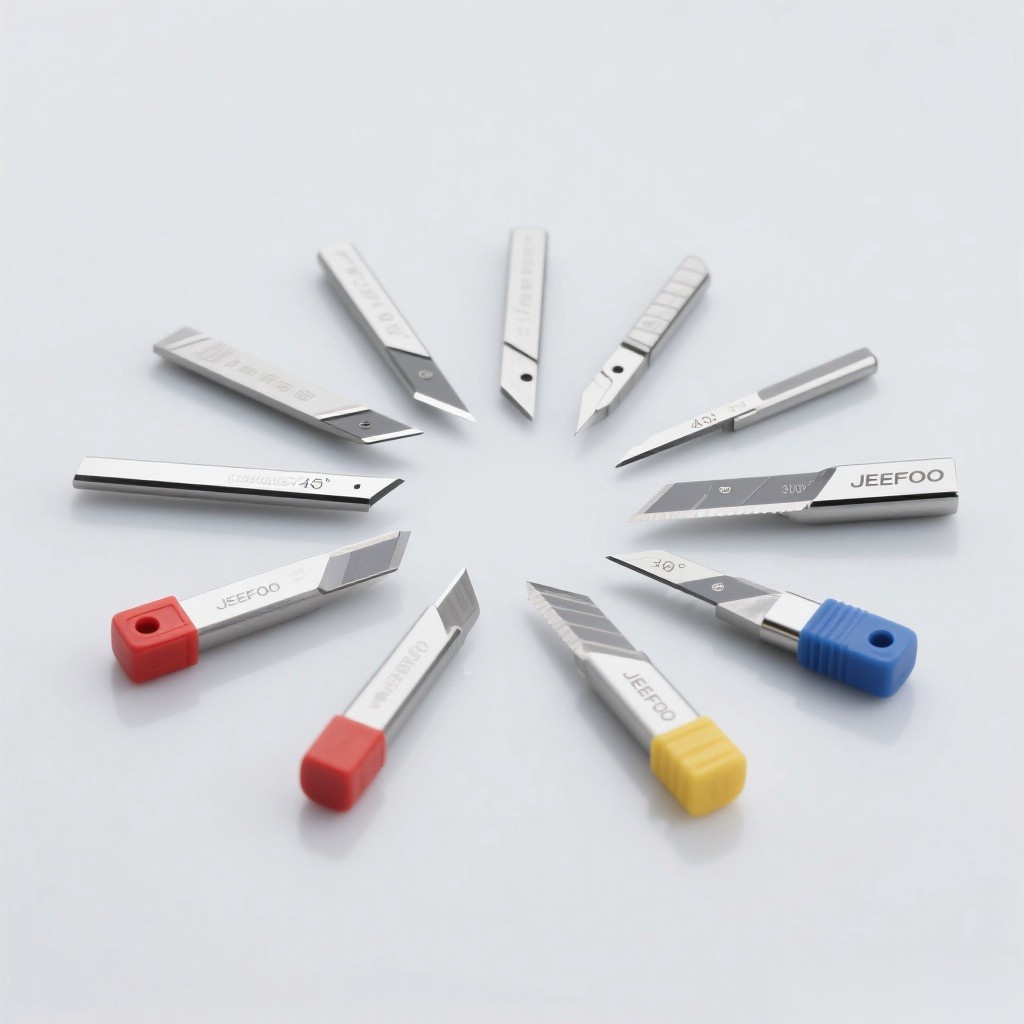
What Is a Notch Cutter?
The tool has cutting teeth around its circumference and is commonly mounted on an arbor or dedicated holder. Thin cutters make narrow slits and cutoffs; wider versions produce grooves and notches. Depending on design, side teeth may help generate the groove walls and prevent rubbing.
Common Notch Cutter Types
| Type | Typical feature | Main advantage |
|---|---|---|
| Slitting saw | Thin slots and cutoffs | Narrow kerf and low material loss |
| Side-and-face cutter | Wider grooves and shoulders | Cuts bottom and side walls |
| Keyseat cutter | Keyseats and semicircular slots | Access to shafts and confined features |
| Form notch cutter | Special radius or profile | Produces a defined shape in one pass |
| Carbide-tipped cutter | Abrasive or higher-speed work | Wear resistance and edge life |
How to Select the Right Cutter
- Define width and depth. Include tolerance, corner radius, surface finish, and available clearance.
- Match tool material. HSS provides toughness; carbide supports higher speed and abrasive materials on rigid machines.
- Choose tooth pitch. Coarse pitch provides chip space for deep cuts and long chips; fine pitch keeps more teeth engaged in thin sections.
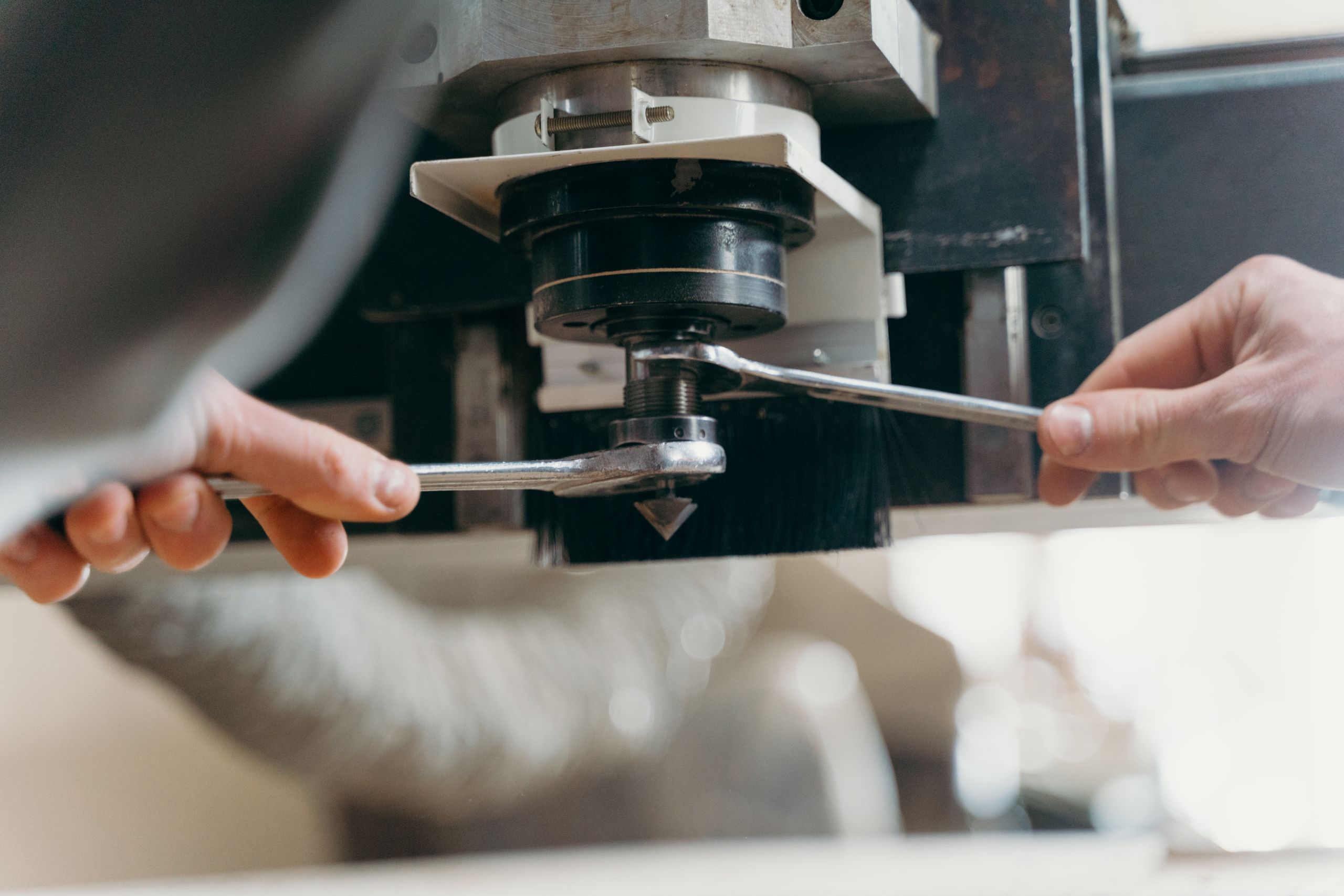
- Verify arbor dimensions. Bore, key, flange diameter, and side clearance must match the holder.
- Check side-tooth geometry. Side clearance prevents rubbing in deeper grooves.
- Control runout. Thin cutters are sensitive to arbor dirt, flange damage, and uneven clamping.
Material and Cutting Strategy
| Material | Priority | Practical approach |
|---|---|---|
| Steel | Edge strength and heat control | Use suitable grade, conservative entry, steady feed |
| Stainless steel | Avoid work hardening | Maintain chip load and use appropriate lubrication |
| Aluminum/copper | Prevent built-up edge | Use sharp polished geometry and effective lubrication |
| Plastic | Control melting and burrs | Use sharp edges, lower heat, and clear chips |
| Composite | Reduce delamination and dust | Use application-specific tooling and extraction |
Setup Checklist
- Clean the arbor, spacers, cutter bore, and support faces.
- Mount the cutter in the correct rotation direction.
- Use rigid workholding close to the notch location.
- Measure axial and radial runout before production.
- Start with manufacturer speed, feed, and depth recommendations.
- Direct chips away from the groove and guard the rotating cutter.
Common Problems and Fixes
| Problem | Likely cause | Correction |
|---|---|---|
| Burrs | Dull edge, wrong feed, weak support | Sharpen/replace cutter and improve support |
| Wandering slot | Runout, deflection, or uneven entry | Check arbor and reduce overhang or depth |
| Tooth breakage | Impact, overload, or chip packing | Reduce shock and improve evacuation |
| Built-up edge | Heat, low speed, or poor lubrication | Correct cutting data and lubrication |
| Chatter | Low rigidity or too few engaged teeth | Stiffen setup and adjust pitch or speed |
Compare related slotting tools in the JeeFoo cutting tool library. Follow the machine manual and applicable OSHA machine-guarding guidance.
Frequently Asked Questions
What is a notch cutter used for?
It is used for narrow grooves, notches, cutoffs, keyseat-type features, and special profiles when the cutter geometry matches the part.
How do you reduce burrs?
Use a sharp tool, correct chip load, rigid support, suitable cutting direction, and a finishing pass when the specification requires it.
Why do thin cutters break?
Common causes are excessive side load, runout, deep engagement, chip packing, abrupt entry, and poor arbor support.
Can one cutter machine every material?
No. Tool material, coating, edge geometry, tooth pitch, speed, feed, and coolant strategy must suit the workpiece.

发表回复
要发表评论,您必须先登录。