
The main difference between a milling cutter and a drill is cutting direction and purpose. A drill is designed primarily to make round holes by axial feeding, while a milling cutter normally removes material with side and/or end edges during lateral, contouring, slotting, pocketing, and surface operations. Some center-cutting end mills can plunge, but they do not replace a drill for every hole.
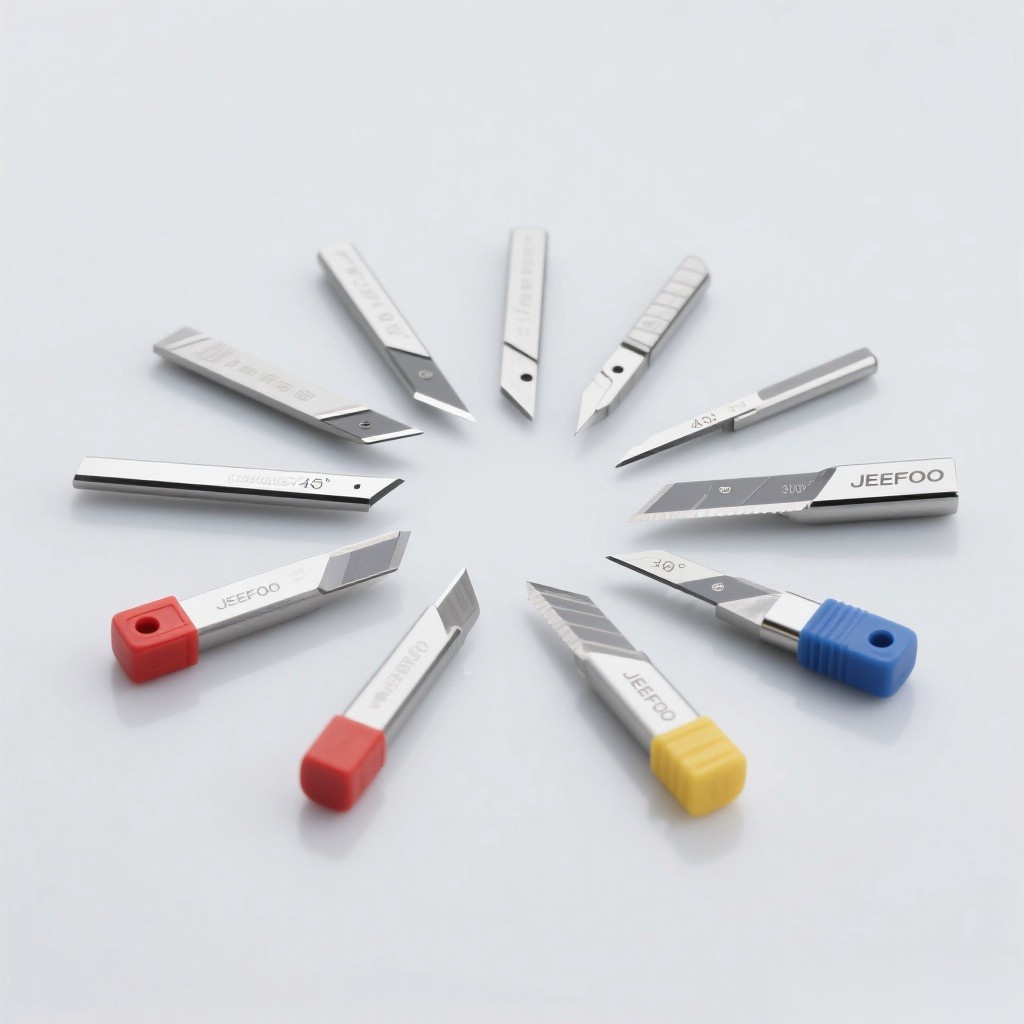
Milling Cutter vs. Drill: Quick Comparison
| Feature | Milling cutter | Drill |
|---|---|---|
| Main motion | Lateral, contouring, and sometimes axial | Primarily axial |
| Main purpose | Slots, pockets, profiles, shoulders, surfaces | Round holes |
| Cutting edges | Peripheral and/or end edges | Lips at the point plus margins |
| Hole accuracy | Can interpolate and finish holes | Efficient initial hole production |
| Machine path | Usually multi-axis coordinated feed | Feed along the tool axis |
| Chip space | Varies by flute count and engagement | Flutes carry chips out of the hole |
How a Drill Cuts
A twist drill uses two main cutting lips at the point. The chisel edge pushes material near the center, while helical flutes carry chips upward. Its geometry is optimized for axial penetration and cylindrical hole production. Pecking, through-tool coolant, or special point geometry may be needed in deep holes and difficult materials.
How a Milling Cutter Cuts
An end mill or other milling cutter has teeth on its circumference, end, or both. The machine feeds the rotating tool across the workpiece to generate walls, floors, curves, and complex paths. Center-cutting end mills can enter axially, but chip evacuation and cutting force often favor ramping or helical interpolation.
Which Tool Should You Use?
- Use a drill for fast production of round pilot, clearance, tapping, and through holes.
- Use a milling cutter for slots, shoulders, pockets, profiles, flat surfaces, and non-round features.
- Use both when a drill roughs the hole and an end mill or boring tool corrects position, diameter, or finish.
- Use helical interpolation when one end mill must produce several hole diameters and the machine supports the toolpath.
Important Selection Factors
- Feature geometry: determine whether the requirement is a round hole, slot, pocket, shoulder, or contour.
- Diameter and depth: deep holes prioritize drill chip evacuation; deep slots need appropriate flute space and reach.
- Tolerance and finish: drilling may need reaming or boring; milling may need a separate finish pass.
- Material: match substrate, coating, point or edge geometry, and coolant strategy.
- Machine capability: verify spindle speed, rigidity, toolholding, and CNC interpolation.
- Entry method: confirm that an end mill is center cutting before plunging.
Common Misuses and Corrections
| Problem | Why it happens | Better approach |
|---|---|---|
| Side milling with a drill | Drill margins and shank are not designed for lateral load | Use an end mill or dedicated side-cutting tool |
| Plunging a non-center-cutting end mill | No effective center edge | Predrill, ramp, or use a center-cutting tool |
| Oversize drilled hole | Runout, point asymmetry, or deflection | Check setup, use pilot strategy, ream or bore |
| End-mill chip packing | Too many flutes or poor evacuation | Use fewer flutes and improve air/coolant flow |
| Tool breakage | Excessive load, poor rigidity, or recutting chips | Correct engagement, holder, feed, and evacuation |
Browse related tooling in the JeeFoo cutting tool library. Follow the machine manufacturer’s instructions and applicable OSHA machine-guarding guidance.
Frequently Asked Questions
Can an end mill drill a hole?
A center-cutting end mill can plunge or interpolate a hole, but a drill is usually faster and more efficient for a standard round hole.
Can a drill cut sideways?
A standard drill should not be used for side milling because its geometry and support are designed mainly for axial force.
Which tool makes a more accurate hole?
It depends on the process. A drilled hole may require reaming or boring; circular interpolation with an end mill can correct position and diameter on a capable machine.
Why do end mills have different flute counts?
Fewer flutes provide more chip space, while more flutes increase edge contact and potential productivity when chip evacuation permits.

发表回复
要发表评论,您必须先登录。