
The main difference between a keyway milling cutter and an end mill is specialization. A keyway cutter is designed to produce accurate-width keyseats and slots with strong cutting edges and good chip space, while an end mill is more versatile for side milling, pockets, profiles, shoulders, and some slots. Choose by required slot tolerance, depth, entry method, material, and machine rigidity.
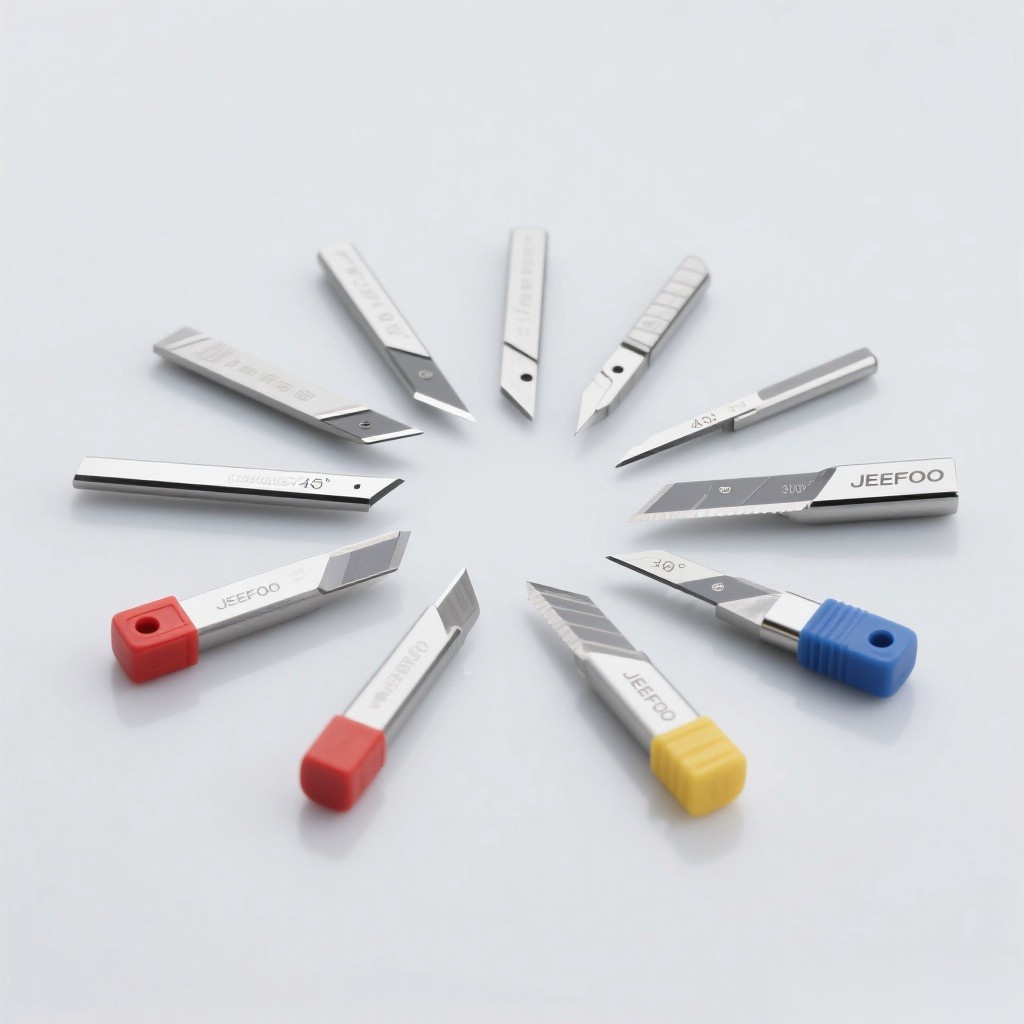
Keyway Milling Cutter vs. End Mill
| Feature | Keyway milling cutter | End mill |
|---|---|---|
| Primary purpose | Keyseats and accurate slots | General milling, pockets, profiles, slots |
| Typical flute count | Often two flutes for chip space | Two or more, chosen by material and use |
| Slot-width control | Designed around nominal keyway width | May need multiple passes for tight tolerance |
| Face/side versatility | Limited and application-specific | Good side, shoulder, and pocket capability |
| Chip evacuation | Large gullets support slotting | Depends strongly on flute count |
| Best choice | Repeated precision keyways | Flexible general machining |
Why Keyway Cutters Perform Well in Slots
Full-width slotting keeps a large portion of the cutting edge engaged and leaves little space for chips. The common two-flute keyway design provides larger chip channels and a strong core. This can reduce chip packing and edge overload when cutting data and coolant or air delivery are correct.
When an End Mill Is the Better Choice
- Machining shoulders, open sides, pockets, and contours in one setup.
- Using a smaller tool to interpolate a slot to final width.
- Producing multiple feature sizes with one versatile cutter.
- Finishing a wall after a rough slotting pass.
- Working on CNC machines where toolpaths compensate for diameter and wear.
How to Choose the Correct Tool
- Define the slot. Confirm nominal width, depth, corner radius, tolerance, and surface finish.
- Choose an entry method. Plunging requires center-cutting geometry; otherwise use a pilot hole, ramp, or side entry.
- Match flute count to chips. Fewer flutes favor chip evacuation in full slots; more flutes can improve productivity in lighter side cuts.
- Select tool material. HSS offers toughness; carbide supports higher speed when rigidity is high.
- Limit overhang. Use only the reach needed for the feature.
- Plan finishing allowance. For tight width tolerance, rough first and finish each wall separately when practical.
Cutting Strategy for Accurate Keyways
Check cutter runout before cutting because actual slot width can exceed tool diameter. Establish depth in controlled steps for deep features, maintain chip evacuation, and avoid dwelling. Measure the slot after the rough pass, then correct width with a finishing pass rather than relying on nominal cutter size alone.
Common Problems and Fixes
| Problem | Likely cause | Correction |
|---|---|---|
| Slot too wide | Runout, deflection, or oversize cutter | Measure runout, reduce load, verify diameter |
| Cutter breakage | Chip packing, excessive depth, long overhang | Improve evacuation and reduce engagement |
| Tapered slot wall | Tool deflection or weak workholding | Shorten tool, stiffen fixture, add finish pass |
| Built-up edge | Wrong speed or poor lubrication | Correct cutting data and lubrication strategy |
| Chatter | Low rigidity or resonance | Improve support and adjust speed or engagement |
Compare related tooling in the JeeFoo milling cutter library. Follow the machine manual and applicable OSHA machine-guarding guidance during setup and inspection.
Frequently Asked Questions
Can an end mill cut a keyway?
Yes. A suitable end mill can cut a keyway, especially by roughing with a smaller diameter and finishing both walls to control width.
Why do keyway cutters often have two flutes?
Two flutes leave larger chip spaces, which helps remove chips during full-width slotting and maintains a strong tool core.
Does cutter diameter equal finished slot width?
Not always. Runout, tool deflection, wear, and machine motion can change the actual width, so inspect the feature and use finishing compensation.
Which tool is more versatile?
An end mill is generally more versatile, while a keyway milling cutter is optimized for consistent keyseat and slot production.

发表回复
要发表评论,您必须先登录。