
Taper shank end mills combine a self-centering tapered connection with peripheral and end cutting edges for rigid milling of slots, shoulders, pockets, and profiles. Their main advantages are secure torque transmission, accurate alignment, and dependable support under heavier cutting loads. They are best used on machines with the matching taper and sufficient clearance for the tool length.
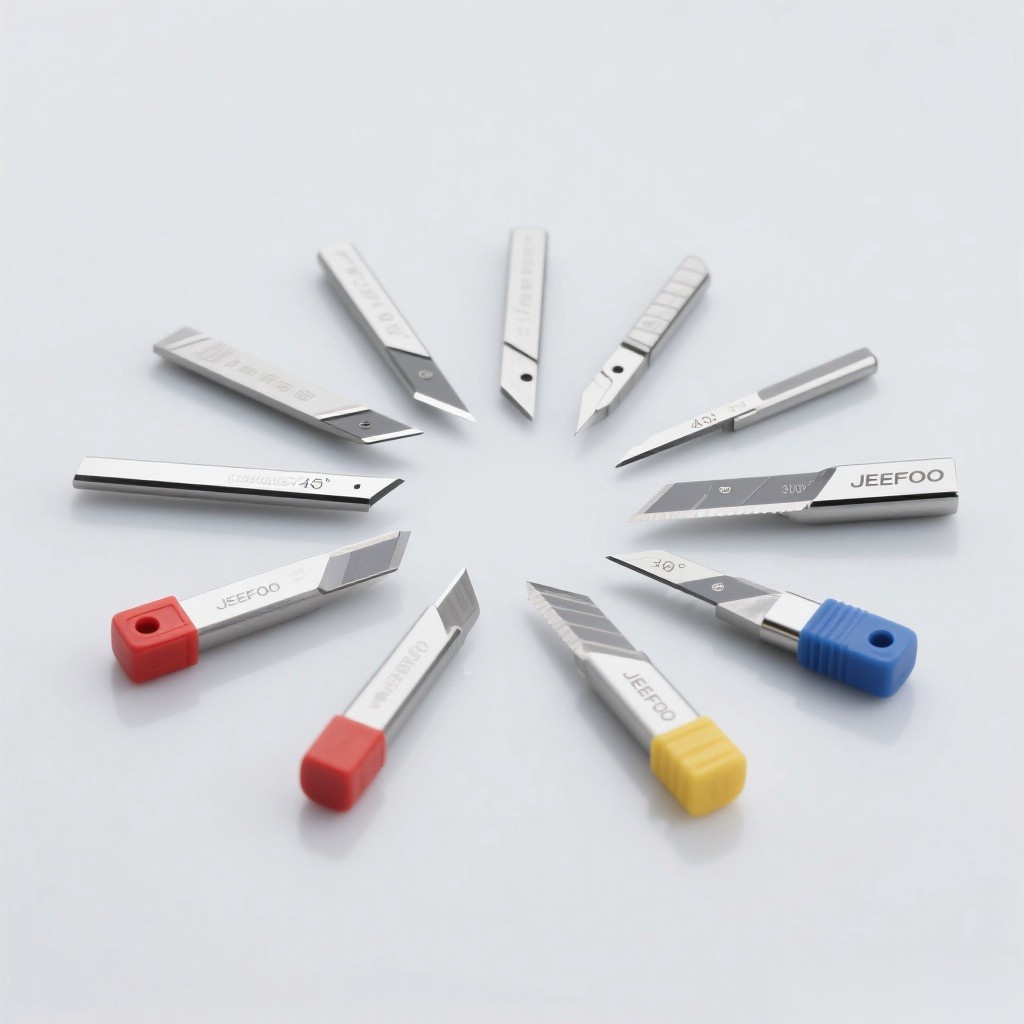
What Are Taper Shank End Mills?
A taper shank end mill mounts directly in a compatible tapered spindle or holder. The taper centers the tool and provides a large contact area, while a tang, drawbar, or retention system prevents loosening according to the machine design. Cutting edges on the circumference remove side material; end teeth machine the bottom of a slot or pocket.
Key Milling Features
- Rigid connection: broad taper contact supports heavier radial loads than a poorly supported straight shank.
- Accurate centering: a clean, undamaged taper helps maintain concentricity and repeatable positioning.
- Efficient torque transfer: the taper and retention method resist rotation during demanding cuts.
- Peripheral and end cutting: suitable geometries can mill slots, shoulders, steps, and pockets.
- Productive multi-tooth cutting: several teeth remove chips during each revolution when pitch and engagement are correct.
Taper Shank vs. Straight Shank
| Factor | Taper shank | Straight shank |
|---|---|---|
| Connection | Self-centering taper | Collet, chuck, or end-mill holder |
| Rigidity | High when taper fit is correct | Depends strongly on holder and overhang |
| Changeover | Requires matching taper and retention | Flexible across common holder sizes |
| Typical use | Heavy, stable milling on compatible machines | General CNC and manual milling |
How to Select a Taper Shank End Mill
- Confirm taper standard and size. The spindle, holder, drawbar, and retention system must match exactly.
- Choose tool material. HSS offers toughness; carbide supports higher speed and wear resistance on rigid machines.
- Match flute count to chips. Fewer flutes provide space for soft, long-chipping materials; more flutes can support finishing in stable cuts.
- Select end geometry. Center-cutting designs can enter axially; non-center-cutting tools need a predrilled entry or ramp strategy.
- Limit overhang. Use the shortest practical projection to reduce deflection and chatter.
Setup and Operating Checklist
- Clean the male and female tapers without abrasive damage.
- Inspect for fretting, dents, burrs, and poor contact before installation.
- Use the specified drawbar or retention force.
- Check runout near the cutting edge after mounting.
- Start with manufacturer cutting data for the tool and workpiece.
- Provide chip evacuation and avoid recutting chips in deep slots.
Problems, Causes, and Fixes
| Symptom | Likely cause | Correction |
|---|---|---|
| Chatter | Long overhang, weak workholding, or unstable speed | Shorten projection, stiffen setup, adjust speed |
| Runout | Dirty or damaged taper | Clean, inspect, and repair or replace damaged parts |
| Tool loosening | Wrong retention or poor taper fit | Verify standard, drawbar, and contact |
| Chip packing | Too many flutes or poor evacuation | Use fewer flutes and improve air/coolant flow |
| Edge chipping | Shock, overload, or excessive deflection | Reduce impact and correct rigidity or tool grade |
Compare related tools in the JeeFoo milling resources. Follow the machine manufacturer’s retention instructions and applicable OSHA machine-guarding guidance.
Frequently Asked Questions
What is the main benefit of a taper shank?
Its self-centering contact area provides accurate alignment and strong support when both tapers are clean, undamaged, and correctly retained.
Can a taper shank end mill plunge?
Only if its end geometry is center cutting or the manufacturer permits an axial entry method. Otherwise use a predrilled hole, ramp, or side entry.
Why does a mounted tool show runout?
Common causes are chips, burrs, fretting, taper damage, incorrect retention, or wear in the spindle and tool shank.
When should carbide be selected?
Choose carbide for higher speed and wear resistance when the spindle, taper connection, fixture, and workpiece are rigid enough to avoid impact and deflection.

发表回复
要发表评论,您必须先登录。