
The main three-sided milling cutter uses are machining fixed-width slots, general grooves, stepped surfaces and side faces. The cutter has a primary cutting edge around its circumference plus secondary cutting edges on both sides, enabling it to cut the slot bottom and side walls in a controlled pass.
What Is a Three-Sided Milling Cutter?
A three-sided cutter is a disc or side-and-face milling tool with cutting edges on the periphery and both side faces. The peripheral teeth remove most material, while the side teeth provide clearance and finish the walls. It is mounted on an arbor and used on horizontal mills or compatible machining setups.
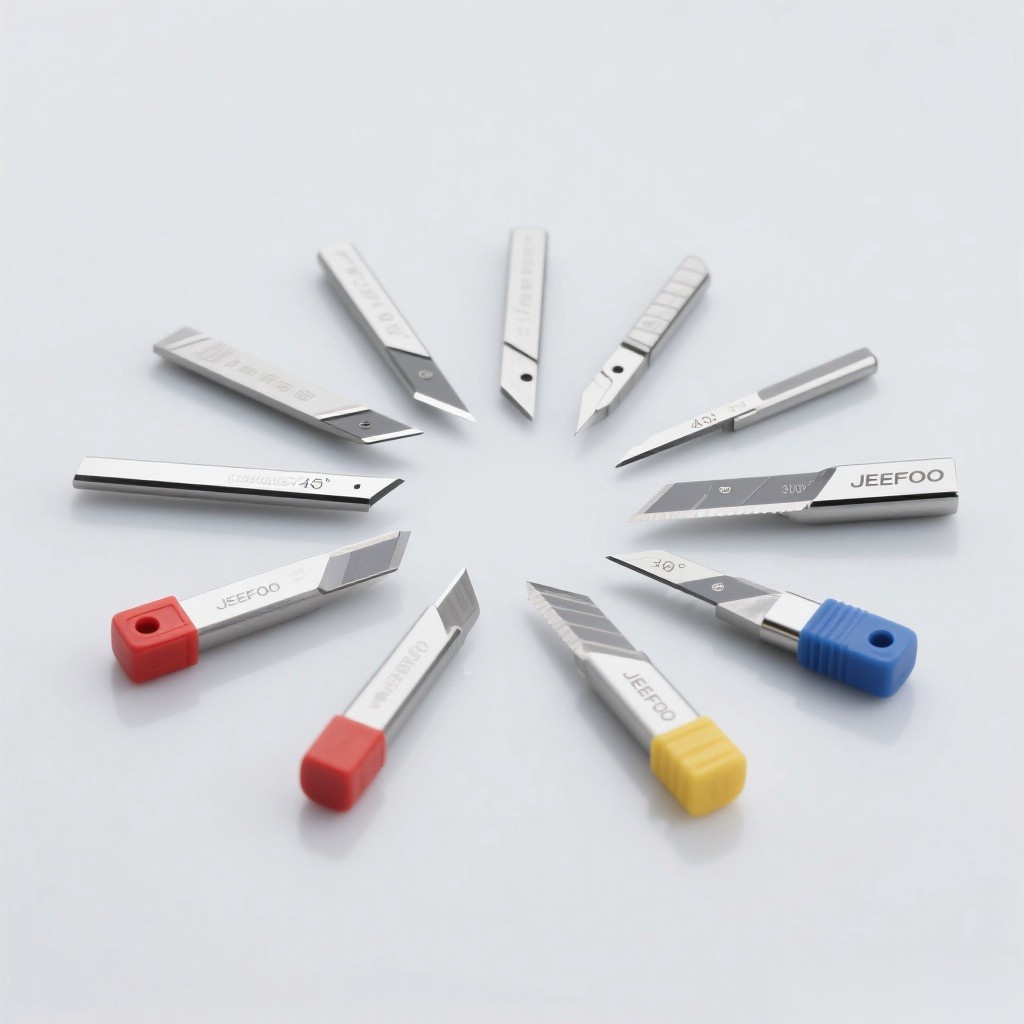
Applications at a Glance
| Application | Why this cutter is suitable | Key selection factor |
|---|---|---|
| Fixed-width slots | Disc width directly defines the nominal slot | Cutter thickness and tolerance |
| General grooves | Peripheral teeth remove material efficiently | Diameter, width and chip space |
| Stepped surfaces | Side teeth machine the shoulder wall | Side clearance and setup rigidity |
| Side faces | Secondary edges cut along both sides | Arbor support and runout |
| Difficult materials | Available in carbide or superhard grades | Substrate, coating and cutting data |
1. Fixed-Width Slot Milling
For a slot intended to match the cutter width, the tool can machine the bottom and both walls. Final width depends on cutter thickness, runout, deflection, workpiece material and machine condition, so the completed slot must be measured rather than assumed from nominal size.
2. General Groove Machining
The cutter’s circumferential teeth provide efficient chip formation for straight grooves. Side teeth maintain wall clearance and help control the surface. Coarse tooth spacing favours chip capacity, while fine tooth spacing can support lighter finishing cuts when evacuation is adequate.
3. Stepped Surface Milling
When machining a step, the periphery forms one plane and a side face cuts the vertical shoulder. The three-sided geometry can improve efficiency compared with using separate tools. Cutter alignment, axial runout and workholding affect squareness and surface quality.
4. Side-Face Cutting
The secondary cutting edges on both faces reduce rubbing and allow material removal along the slot walls. This can lower cutting resistance and improve finish when tooth geometry and feed are correct. Side clearance must remain adequate after regrinding.
Materials and Cutter Grades
High speed steel cutters offer toughness for general work and less rigid machines. Carbide or superhard tool materials provide greater wear resistance and cutting speed in suitable setups, including some difficult-to-cut materials. The exact grade, coating and coolant strategy must be matched to the workpiece.
How to Select the Right Cutter
- Define the geometry: confirm slot or step width, depth, length and tolerance.
- Select cutter size: choose disc diameter, thickness, bore and keyway for the arbor.
- Choose tooth spacing: balance chip capacity, cutting force and finish.
- Match tool material: select HSS, carbide or another grade for the workpiece and machine.
- Check the assembly: verify arbor diameter, spacers, supports, rotation and clearance.
Machining and Chip-Control Tips
Keep the arbor short and well supported, minimise axial runout and clamp the part rigidly. Use suitable cutting fluid, air or extraction to prevent chips from packing in the slot. Begin with supplier feed and speed data, then monitor cutting sound, spindle load, chip shape and wall finish.
Common Problems and Corrections
| Problem | Likely cause | Correction |
|---|---|---|
| Oversize slot | Runout, deflection or incorrect cutter width | Check assembly and measure cutter |
| Poor wall finish | Rubbing, worn side teeth or vibration | Inspect geometry and improve rigidity |
| Chip packing | Insufficient flute space or evacuation | Adjust tooth spacing, feed and chip control |
| Tapered slot | Arbor movement or workpiece deflection | Improve support and clamping |
Safety Considerations
Inspect the cutter, arbor, key and spacers before operation. Keep guards installed and stop the spindle before measuring or clearing chips. Follow the machine manufacturer’s instructions and applicable OSHA machine-guarding guidance.
Frequently Asked Questions
What are the main three-sided milling cutter uses?
The main uses are fixed-width slots, general grooves, stepped surfaces and side-face milling.
Why does it cut on three sides?
The peripheral edge cuts the groove bottom while cutting edges on both faces machine and clear the side walls.
Does cutter width guarantee slot width?
No. Runout, tool wear, deflection and machine condition also influence the finished slot, so inspection is necessary.
Browse our precision cutting tool solutions or contact JEEFOO with your slot drawing, material, machine and arbor specifications.

发表回复
要发表评论,您必须先登录。