
Straight shank end mills are cylindrical-shank cutting tools used on manual and CNC milling machines for slots, profiles, pockets, cavities and surface contours. Their shanks fit compatible collets or end-mill holders, while peripheral and end cutting edges remove material according to the tool’s geometry.
What Is a Straight Shank End Mill?
A straight shank end mill has a cylindrical mounting section rather than a taper shank. The peripheral flutes provide the main side-cutting edges, and the end teeth machine the bottom or axial face. Some tools are centre cutting and can plunge; non-centre-cutting designs require a ramp, helical entry or pre-drilled access hole.
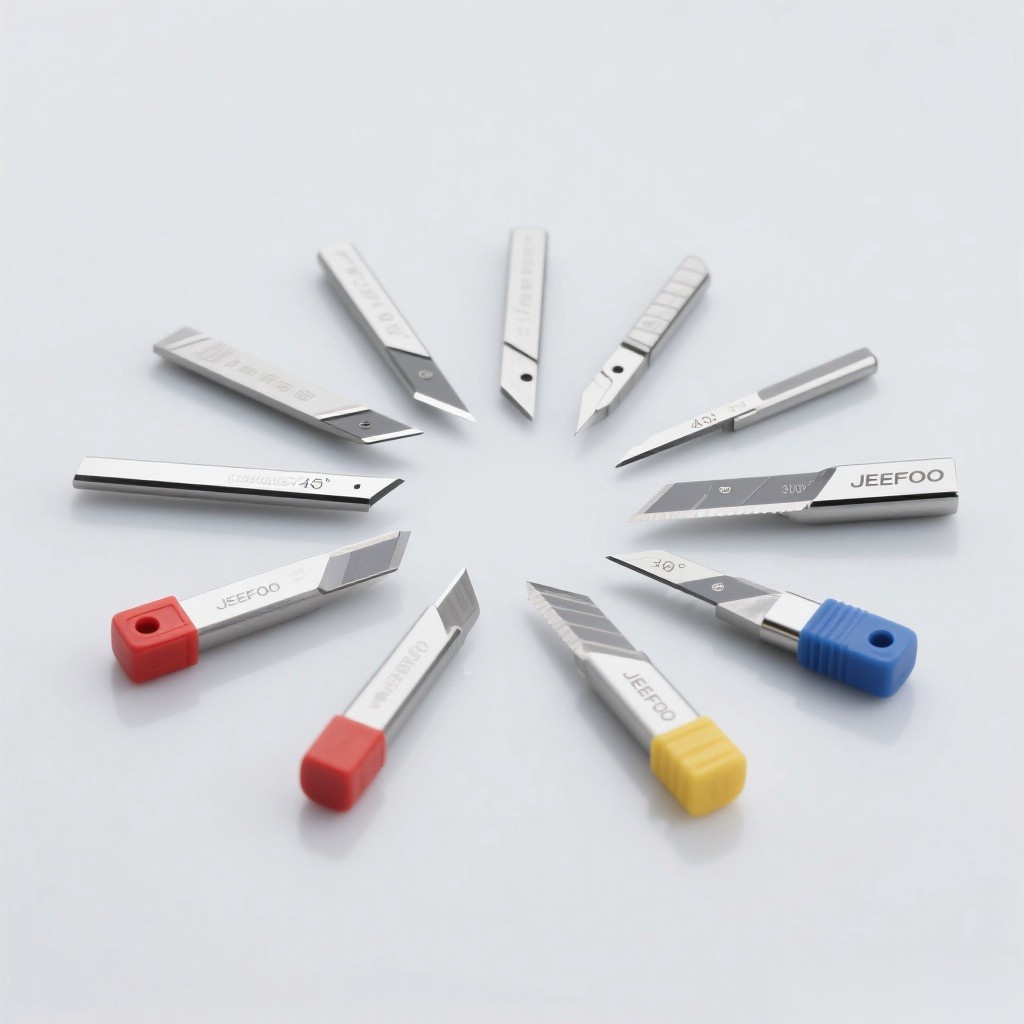
Common Types and Applications
| Type | Main characteristic | Typical use |
|---|---|---|
| Coarse-tooth | Fewer flutes and larger chip space | Roughing, slotting and heavy chip removal |
| Fine-tooth | More flutes and smaller chip space | Finishing and side milling |
| Square end | Flat bottom and sharp corner | Slots, shoulders, pockets and profiles |
| Ball nose | Hemispherical end | Curved surfaces, moulds and contours |
| Corner-radius | Rounded corner with flatter end | Stronger edge and blended internal corners |
Straight Shank vs Taper Shank
A straight shank is gripped by a collet or holder and offers flexible tool changes across compatible machines. A taper shank mounts through a specified taper interface and is often used on larger traditional cutters. Straight-shank tools are common in smaller diameters, while taper-shank ranges overlap at larger sizes depending on the applicable standard and manufacturer.
Diameter and Shank Size
Published end-mill ranges may extend from small diameters to 50 mm or more, but the available straight-shank range depends on the product standard. Diameter controls slot width, corner radius and cutting load. Shank diameter must match the holder exactly, and the machine must provide adequate spindle power and clearance.
Coarse Teeth vs Fine Teeth
Coarse-tooth straight shank end mills use fewer flutes, leaving larger channels for chips and stronger tooth sections. Fine-tooth tools place more edges in the cut and are often selected for lighter finishing passes. The correct flute count also depends on workpiece material, slot depth, coolant and the ability to evacuate chips.
Centre-Cutting and Axial Entry
Do not assume every end mill can feed directly along its axis. A centre-cutting tool has cutting edges that reach the centre and may plunge within its specified limits. A non-centre-cutting tool has a dead zone at the centre and should enter through a ramp, helix or prepared hole. Always confirm the manufacturer’s geometry.
How to Select a Straight Shank End Mill
- Define the operation: identify slotting, profiling, pocketing, roughing or finishing.
- Match the workpiece: choose HSS, carbide, coating and edge geometry for the material.
- Select diameter and length: meet part geometry while keeping overhang as short as possible.
- Choose flute count: balance chip space, edge strength and finish.
- Confirm the shank: match the collet or holder and check runout.
Setup and Cutting Tips
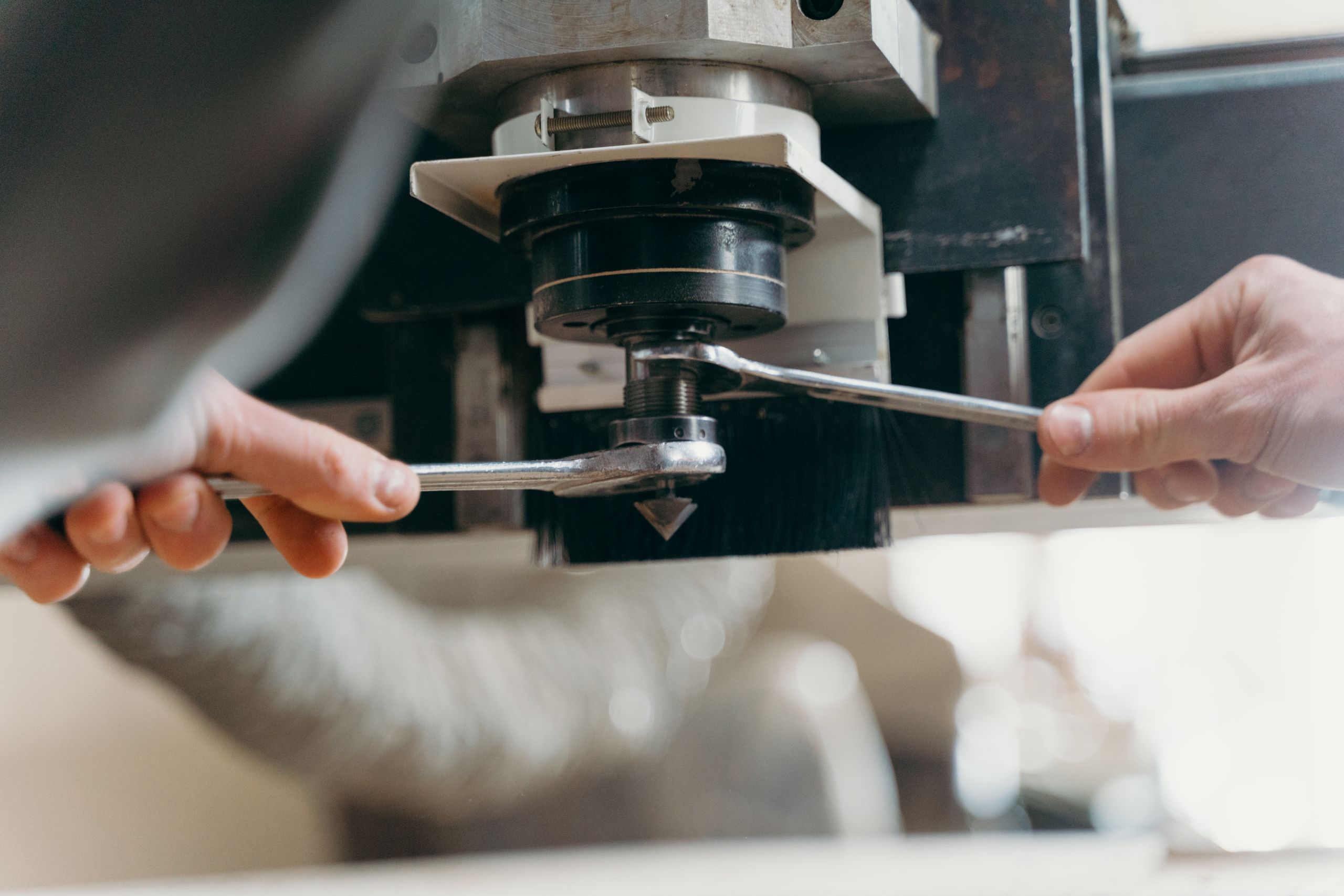
Clean the shank and holder before installation, use the recommended clamping length and minimise projection. Secure the workpiece and apply suitable coolant, air or extraction. Start with supplier feed and speed data, then monitor chip formation, spindle load, vibration and surface finish. Avoid recutting chips in deep slots.
Safety Considerations
Inspect the cutting edges and shank for damage, never exceed the rated speed and stop the spindle before measuring or clearing chips. Use guards and appropriate personal protection. Follow the machine manufacturer’s instructions and applicable OSHA machine-guarding guidance.
Frequently Asked Questions
What are straight shank end mills used for?
They machine slots, linear profiles, pockets, cavities, cores and surface contours on manual mills, CNC mills and machining centres.
Can every straight shank end mill plunge?
No. Only centre-cutting designs can plunge directly within their specified limits; other tools need an alternative entry method.
How is the shank held?
The cylindrical shank is held in a matching collet or end-mill holder with the correct clamping length and low runout.
Browse our precision cutting tool solutions or contact JEEFOO with your material, machine, operation and dimensions for end-mill selection support.

发表回复
要发表评论,您必须先登录。