
A cylindrical milling cutter, also called a slab mill or flat milling roller cutter, machines broad flat surfaces on a horizontal milling machine. Its teeth are arranged around the cutter circumference, allowing efficient peripheral milling with straight or helical teeth and coarse or fine tooth spacing.
What Is a Cylindrical Milling Cutter?
The cutter is mounted on an arbor with its rotational axis parallel to the machined surface. Cutting occurs mainly at the peripheral teeth rather than the face. Cylindrical cutters are suitable for producing long, flat planes, and multiple cutters can be combined when a surface is wider than one cutter.
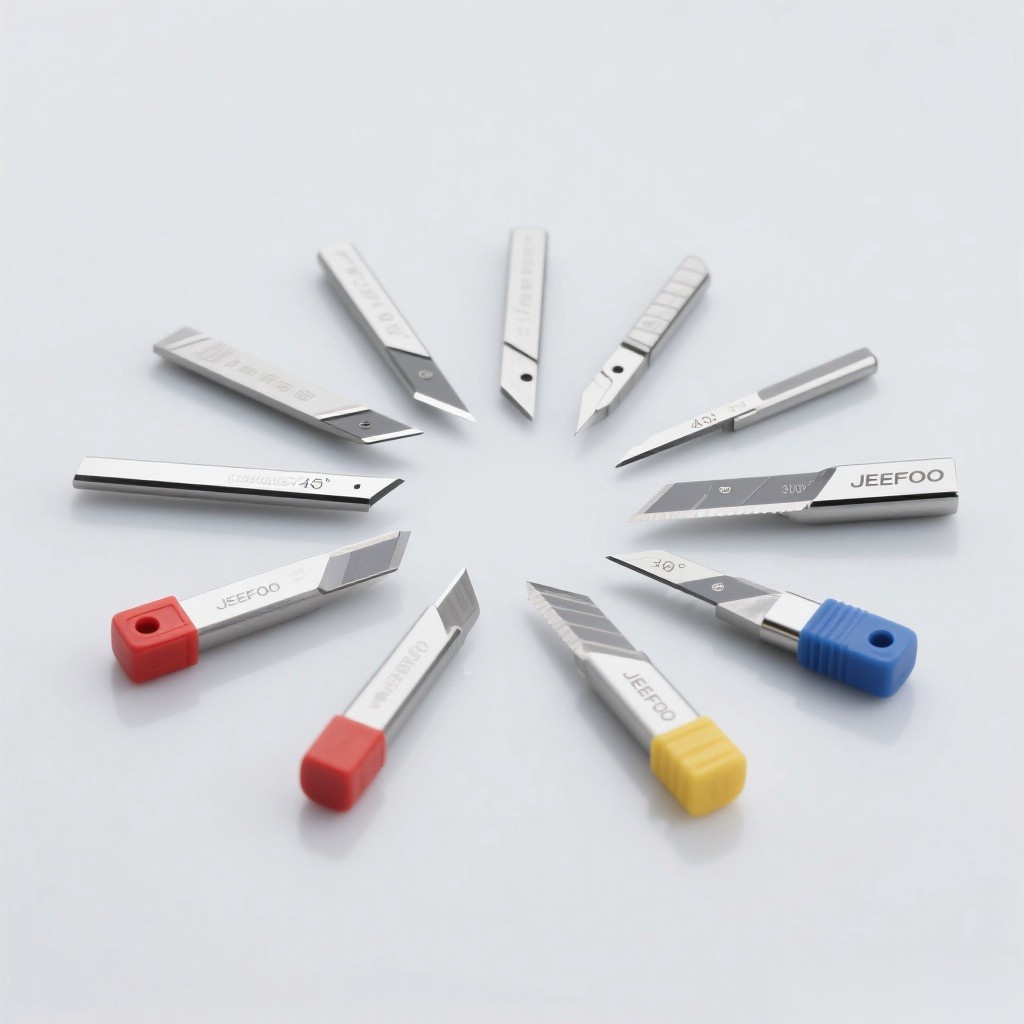
Types of Cylindrical Milling Cutters
| Type | Design characteristic | Typical use |
|---|---|---|
| Straight-tooth | Teeth parallel to the cutter axis | General peripheral milling on rigid setups |
| Helical-tooth | Angled teeth enter the cut progressively | Smoother cutting and reduced impact |
| Coarse-tooth | Fewer, stronger teeth with large chip spaces | Roughing and heavy chip removal |
| Fine-tooth | More teeth with smaller chip spaces | Finishing and lighter cuts |
| Combined set | Multiple cutters assembled on one arbor | Wide-plane milling |
Straight Teeth vs Helical Teeth
Straight teeth engage the workpiece across the tooth width at once, which can increase cutting impact. Helical teeth enter progressively, spreading the load and typically producing smoother operation. Helical cutters also create axial force, so arbor support and machine setup must resist the thrust direction.
Coarse Teeth for Rough Machining
A coarse-tooth cylindrical milling cutter has fewer teeth, stronger tooth sections and more chip space. These features support deeper cuts and larger chip volume. Coarse spacing helps prevent chip packing during roughing, especially when the workpiece and machine permit a substantial feed and depth of cut.
Fine Teeth for Surface Finishing
Fine-tooth cutters place more cutting edges in contact during each revolution. They are suited to lighter cuts and finishing passes where surface consistency matters. Because the flute space is smaller, feed, depth and chip evacuation must be controlled to avoid overloading the teeth.
Wide-Plane Combination Milling
Multiple cylindrical cutters can be assembled on an arbor to machine a plane wider than a single cutter. For helical cutters, left-hand and right-hand helix directions should be arranged to balance axial forces as specified for the tooling system. Cutter widths, diameters and tooth timing must suit the arbor and required surface.
How to Select the Right Cutter
- Define the pass: choose roughing, semi-finishing or finishing requirements.
- Match the width: select one cutter or a combined set that covers the plane safely.
- Choose tooth spacing: use coarse teeth for chip space and fine teeth for lighter finishing cuts.
- Select helix direction: account for cutting smoothness, axial thrust and combination arrangement.
- Confirm the tool material: match high-speed steel, carbide or another grade to the workpiece and cutting speed.
Setup and Operating Tips
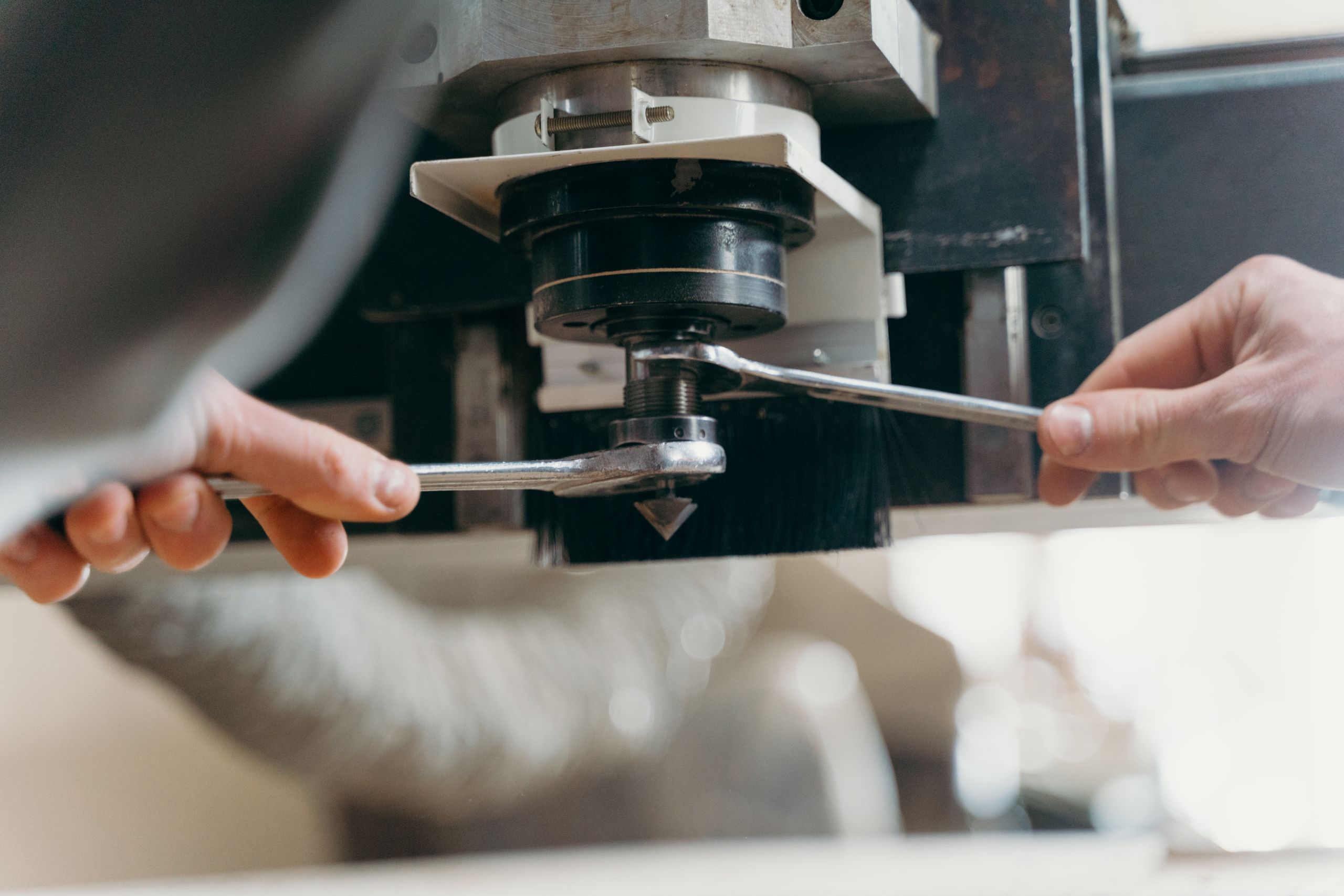
Check the arbor, spacers, keys and supports before mounting the cutter. Keep overhang low and confirm that the assembly runs concentrically. Secure the workpiece, use the correct rotation and feed direction, and provide suitable coolant or chip control. Begin with recommended cutting data and monitor vibration, chip formation, spindle load and surface finish.
Safety Considerations
Never use a cracked cutter, damaged arbor or loose spacer. Keep guards in place and stop the spindle before measuring, adjusting or clearing chips. Wear suitable eye and hearing protection and follow the machine manufacturer’s instructions together with applicable OSHA machine-guarding guidance.
Frequently Asked Questions
What is a cylindrical milling cutter used for?
It is used mainly for machining broad, flat planes by peripheral cutting on horizontal milling machines.
Which tooth spacing is best for roughing?
Coarse teeth are generally preferred because they provide stronger teeth and larger spaces for heavy chip flow.
Can several cylindrical cutters be combined?
Yes. Multiple cutters can be assembled for wide-plane milling when the arbor capacity, helix arrangement and machine rigidity are suitable.
Explore our precision cutting tool solutions or contact JEEFOO with your machine, workpiece, plane width and finish requirement for selection support.

发表回复
要发表评论,您必须先登录。