
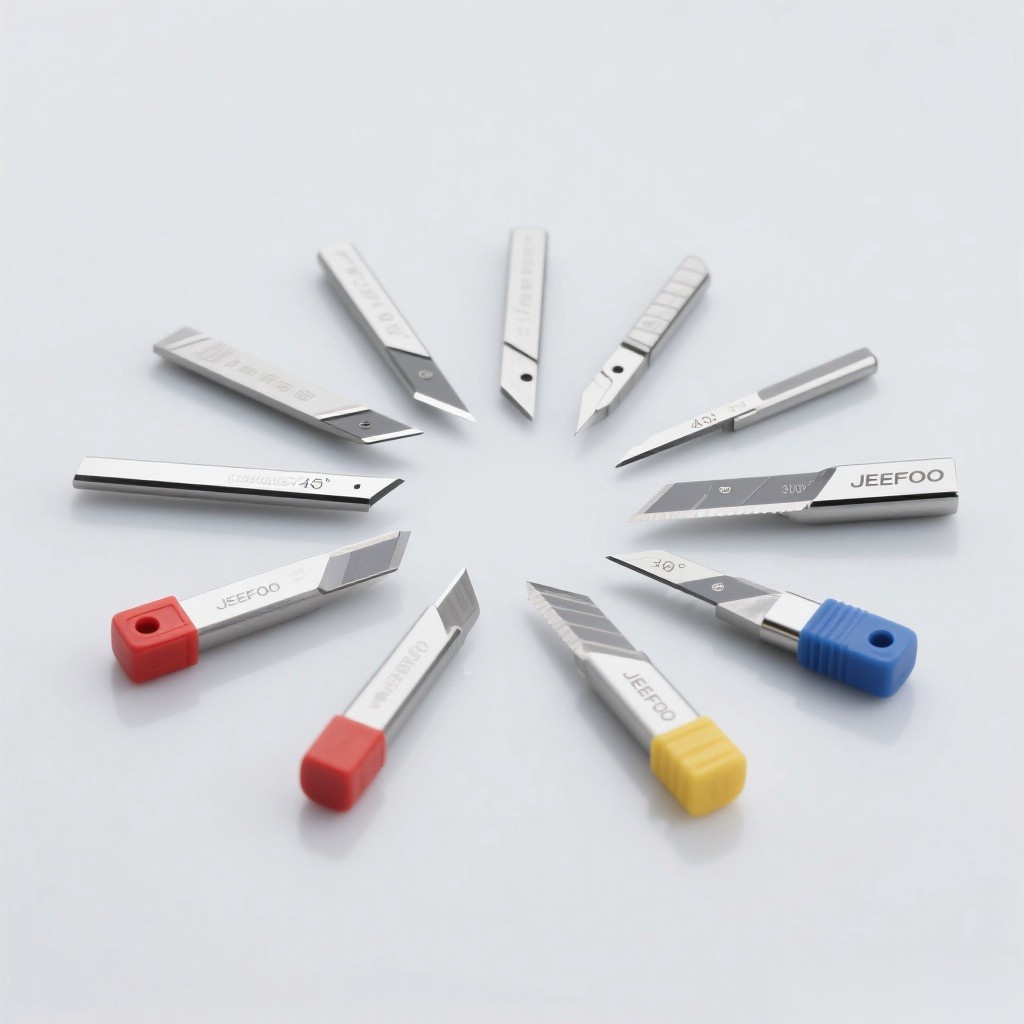
A single flute straight edge tool is a carbide router cutter designed for fast two-dimensional cutting, slotting and trimming in cork, medium-density wood, medium-hard wood and selected elastic or wear-resistant plastics. Its open single-edge geometry creates generous chip space, helping remove waste automatically during high-feed routing.
What Is a Single Flute Straight Edge Tool?
The cutter has one straight cutting edge and a large flute. Unlike a spiral flute, the straight edge cuts without an upward or downward helix. The combination of a slotting profile and single-edge geometry is useful when chip clearance, simple two-dimensional toolpaths and efficient material removal are priorities.
Materials and Typical Applications
| Material | Typical operation | Selection note |
|---|---|---|
| Cork | Profiling, trimming and slots | Use a sharp edge to reduce tearing |
| Medium-density wood | 2D routing and pocketing | Provide effective dust extraction |
| Medium-hard wood | Contour cutting and grooves | Match feed to grain and machine rigidity |
| Elastic plastics | Routing and edge trimming | Prevent heat buildup and material recovery |
| Wear-resistant plastics | Slots and profiles | Verify the exact grade and cutting data |
Key Benefits of a Single-Flute Design
- Large chip space: the open flute clears chips effectively during rapid cutting.
- Strong cutting edge: a single edge leaves more supporting carbide behind the flute.
- Higher chip load per tooth: useful on routers with high spindle speed and limited feed.
- Simple straight geometry: suitable for slots, profiles and two-dimensional machining.
- Reduced recutting: good evacuation helps prevent chips from rubbing against the workpiece.
Straight Edge vs Single-Flute Spiral Cutter
A straight edge has no helix, so it does not intentionally pull chips upward or push them downward. A spiral cutter uses helix direction to control chip flow and surface pressure. Straight tools can be practical for general slotting and simple 2D routing, while spiral tools may offer better axial chip movement or face control in specific materials.
How to Select the Right Cutter
- Confirm the material: identify hardness, elasticity, abrasiveness and heat sensitivity.
- Choose the diameter: match slot width, corner radius, cutting load and machine power.
- Check cutting length: clear the material thickness without excessive edge engagement.
- Match the shank: use the correct collet size and minimise tool projection.
- Set feed and speed: maintain an appropriate chip load to avoid rubbing or overload.
Setup Tips for Clean, Fast Cutting
Use a clean collet, low runout and rigid workholding. Keep the flute clear with extraction or air appropriate to the material. A feed that is too low can create rubbing and heat, especially in plastics; a feed that is too high can overload the edge. Make a controlled test cut, inspect chip shape and edge finish, and adjust within the cutter and machine limits.
Safety and Tool Care
Inspect the carbide edge for chips or cracks before installation. Never exceed the tool’s speed rating, and replace a damaged cutter. Secure the workpiece, keep guards in place and use suitable eye, hearing and respiratory protection. Follow the machine manufacturer’s instructions and applicable OSHA machine-guarding guidance.
Frequently Asked Questions
What does a single flute straight edge tool cut?
It is designed for two-dimensional cutting in cork, medium-density and medium-hard wood, plus selected elastic and wear-resistant plastics.
Why does one flute improve chip removal?
Using one cutting edge leaves a larger flute channel, giving chips more space to exit during fast routing.
Can it be used for deep slots?
Yes, when the cutting length, tool diameter, step depth, chip evacuation and machine rigidity are appropriate. Deep cuts should generally be made in controlled passes.
Browse our precision cutting tool solutions or contact JEEFOO with your material, machine, slot size and required finish for cutter selection support.


发表回复
要发表评论,您必须先登录。