
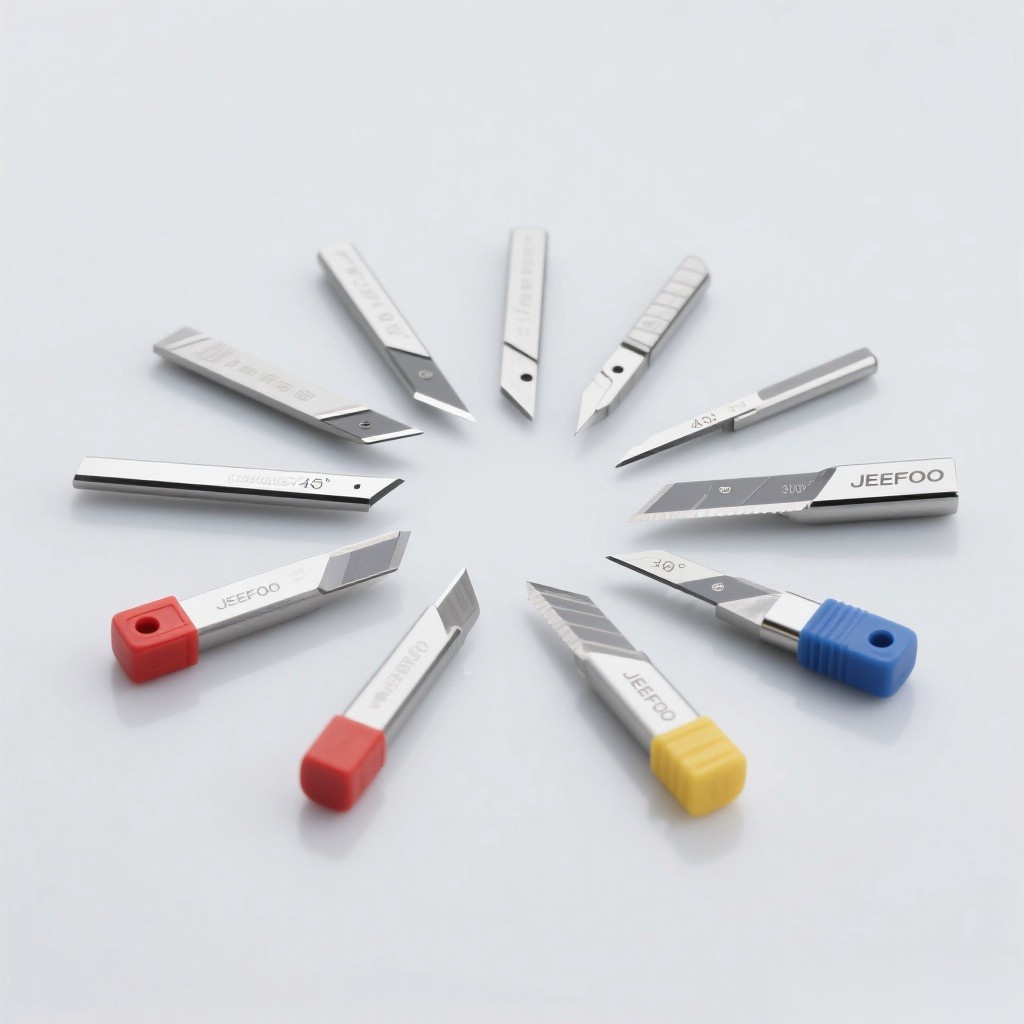
A tungsten steel milling cutter is a rigid, wear-resistant cutting tool used mainly in CNC machining centres, CNC engraving machines and conventional milling machines. The term commonly refers to a cemented-carbide cutter whose hardness and heat resistance support efficient machining of metals, plastics, wood and other suitable materials.
What Is a Tungsten Steel Milling Cutter?
In cutting-tool terminology, “tungsten steel” is often used commercially for tungsten-carbide-based hard alloy. The cutter combines hard carbide particles with a metallic binder to create a cutting edge that resists wear and retains hardness at elevated cutting temperatures. It is harder than high-speed steel but also more brittle, so correct toolholding and cutting parameters are essential.
Common Applications
| Application | Typical machine | Why it is used |
|---|---|---|
| Slotting and pocketing | CNC machining centre | Wear resistance and dimensional consistency |
| Profiling and contouring | CNC router or engraving machine | Rigid cutting edge and detailed control |
| Surface finishing | Milling machine | Clean finish with suitable geometry |
| High-speed machining | High-speed CNC spindle | Hardness retained at elevated cutting speed |
| Machining harder materials | Rigid CNC or conventional mill | Higher wear resistance than high-speed steel |
Benefits of Tungsten Steel Milling Cutters
- High hardness: the cutting edge resists abrasive wear during production.
- Heat resistance: carbide maintains useful hardness at cutting temperatures that can soften high-speed steel.
- Long tool life: correct use can reduce tool changes and production interruptions.
- Dimensional stability: a rigid edge helps hold tolerances across repeated parts.
- High-speed capability: suitable grades and coatings support productive CNC machining.
Limitations to Consider
A tungsten steel milling cutter is hard but relatively brittle. Impact, chatter, excessive runout or an interrupted cut can chip the edge. The tool also requires a rigid machine, secure workholding and a balanced holder. For unstable setups or severe shock loads, a tougher tool grade or different cutter material may be more appropriate.
How to Select the Right Cutter
- Match the material: choose a carbide grade and coating for the workpiece.
- Select the geometry: flute count, helix angle and edge preparation affect chip evacuation and finish.
- Confirm dimensions: check diameter, shank, cutting length and overall length against the machine and part.
- Control overhang: use the shortest practical projection to reduce vibration.
- Set cutting data: apply a suitable spindle speed, feed per tooth, depth of cut and coolant strategy.
Operating and Safety Tips
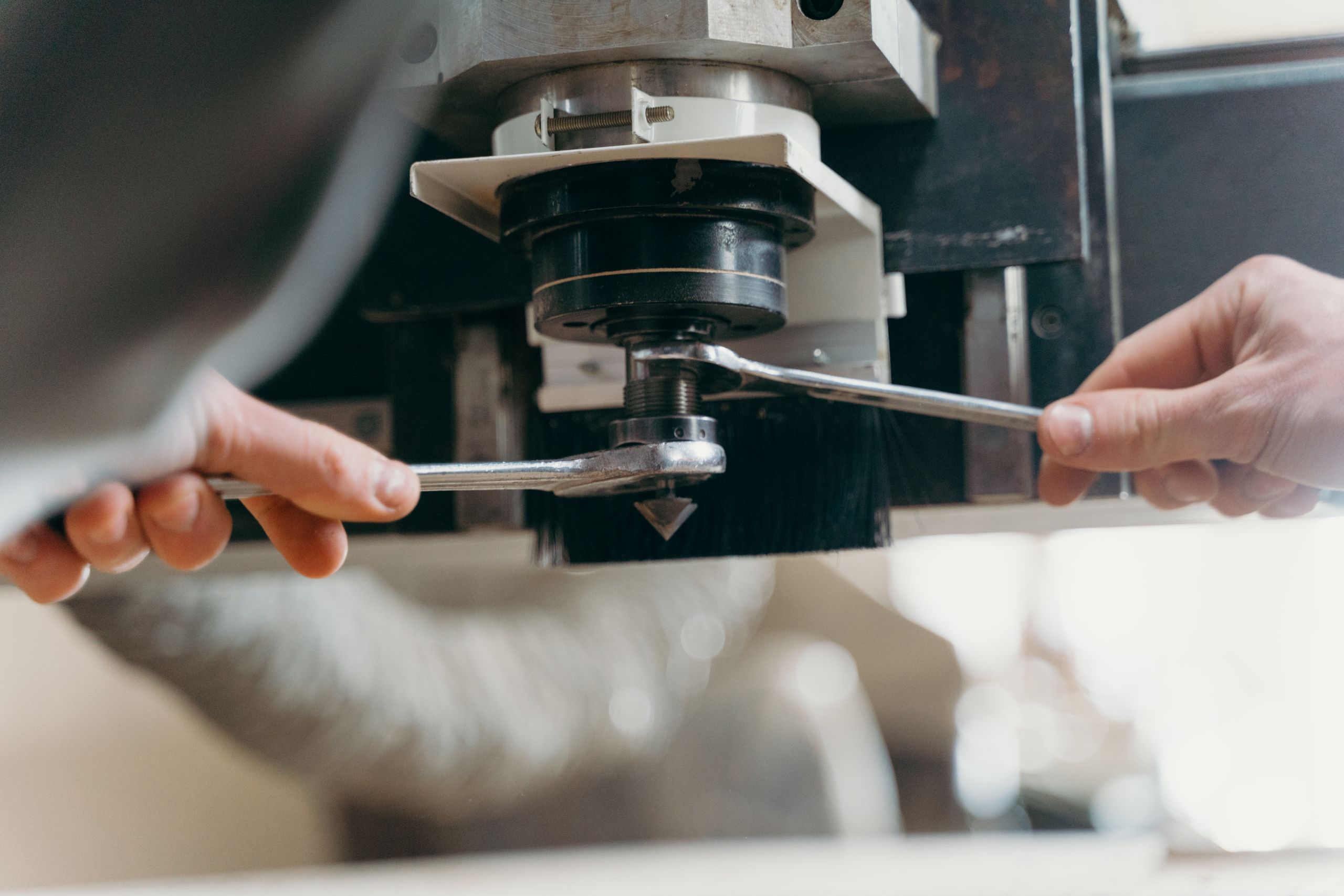
Inspect the tool for chips or cracks before use, clean the collet and verify low runout. Clamp the workpiece securely and keep chips away from the cutting zone. Start with the tool supplier’s cutting data and adjust only after checking spindle load, sound, vibration and finish. Use appropriate guards, extraction, eye protection and machine procedures consistent with OSHA machine-guarding guidance.
Tungsten Steel vs High-Speed Steel
Tungsten-carbide tooling offers greater hardness, wear resistance and high-speed capability. High-speed steel is generally tougher and can tolerate more shock or flex. The correct choice depends on machine rigidity, workpiece material, production volume, tool cost and the required surface finish rather than hardness alone.
Frequently Asked Questions
Where is a tungsten steel milling cutter used?
It is widely used in CNC machining centres, CNC engraving machines and conventional milling machines for slotting, profiling, pocketing and finishing operations.
Why can carbide cutters run at higher speeds?
The carbide cutting edge retains hardness and resists wear at higher temperatures, allowing productive cutting speeds when the grade, geometry and machine setup are suitable.
How can edge chipping be prevented?
Minimise runout and overhang, use rigid workholding, avoid impact, select the correct grade and feed, and replace any tool that shows cracks or damaged edges.
Explore our precision cutting tool solutions or contact JEEFOO with your material, machine, cutter dimensions and target operation for a practical recommendation.

发表回复
要发表评论,您必须先登录。