
Uses of face milling cutters include producing flat reference surfaces, removing stock, finishing large planes, machining shoulders, preparing castings, creating pads and improving production cycle time. Cutter diameter, lead angle, insert geometry, pitch and machine power determine the best application.
What Is A Face Milling Cutter Used For?
A face milling cutter removes material mainly with inserts around its circumference while secondary edges near the face generate the finished plane. High-speed steel cutters can machine medium-width surfaces, while carbide indexable cutters generally support higher speed, productivity and wear resistance.
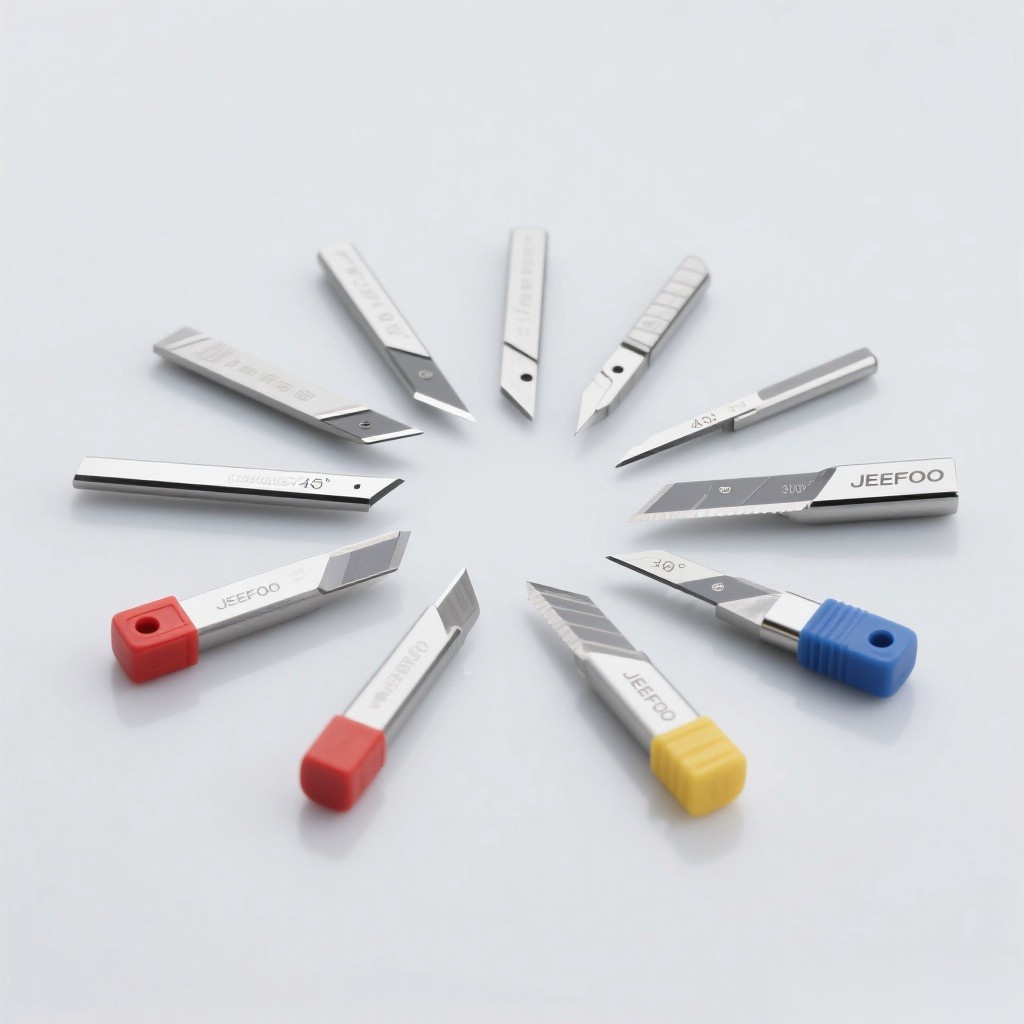
Face Milling Applications Overview
| Application | Objective | Main control |
|---|---|---|
| Rough facing | High stock removal | Power and insert toughness |
| Finish facing | Surface quality | Runout and wiper geometry |
| Reference surfaces | Flat datum | Tram and workholding |
| Shoulders and pads | Local flat features | Diameter and access |
1. Roughing Large Flat Surfaces
Coarse-pitch cutters with tough inserts can remove scale and excess stock from broad surfaces. The machine must provide enough spindle power and rigidity. Stable entry, balanced engagement and controlled chip evacuation protect inserts from impact.
2. Finishing Planes
Fine-pitch cutters and wiper inserts can improve surface finish and productivity. Low runout, correct insert seating, a sharp edge and uniform finishing allowance are essential for consistent witness marks and flatness.
3. Creating Reference Datums
A machined face can serve as a datum for later operations, inspection or assembly. Verify workholding, machine tram and thermal stability before relying on the surface as a reference.
4. Machining Shoulders And Pads
Face mills can machine open shoulders, bosses and pads when cutter diameter and insert approach provide clearance. For narrow or enclosed features, an end mill may offer better access.
5. Preparing Castings And Forgings
Face milling removes skin, scale and uneven stock before precision operations. Select an insert grade and edge preparation able to handle interrupted cuts and variable stock.
6. High-Volume Production
Indexable carbide face mills reduce edge-change time and allow grades or geometries to be matched to material. Consistent insert mounting and tool presetting support repeatable production.
7. Combined Rough And Finish Passes
Some cutter layouts combine standard and wiper inserts to remove stock and improve finish in one pass. Confirm that machine rigidity, part stability and tolerance make the combined strategy practical.
Selection Checklist
- Match diameter to surface width and spindle capacity.
- Select lead angle for chip thinning and edge access.
- Choose pitch for power, stability and chip space.
- Match insert grade and geometry to the material.
- Check runout, insert seating, tram and workholding.
Follow the machine and cutter manuals plus OSHA machine-guarding guidance. For tool support, visit Guangzhou JeeFoo Tools.
Frequently Asked Questions
What diameter face mill should I use?
Choose a diameter that covers the surface efficiently without exceeding spindle power or access limits.
Is carbide better than high-speed steel?
Carbide usually supports higher speed and wear resistance; high-speed steel offers toughness and lower cost.
Why are lines visible after face milling?
Runout, tram error, worn inserts, vibration or inconsistent overlap are common causes.
Bottom line: the best uses of face milling cutters depend on surface width, material, stock, finish, rigidity and production goals.

发表回复
要发表评论,您必须先登录。