
A relieved tooth milling cutter keeps its profile after repeated face regrinding because the tooth back follows a controlled relief curve. This design is widely used for form cutters, gear cutters and other tools whose cutting-edge shape must remain consistent through multiple sharpening cycles.
What Is A Relieved Tooth Milling Cutter?
A relieved tooth milling cutter—sometimes translated as a spade tooth or shovel tooth cutter—has clearance produced by relieving or relief grinding behind the cutting edge. An Archimedean spiral is a common relief profile. When the edge becomes dull, the front face is reground without substantially changing the original form.
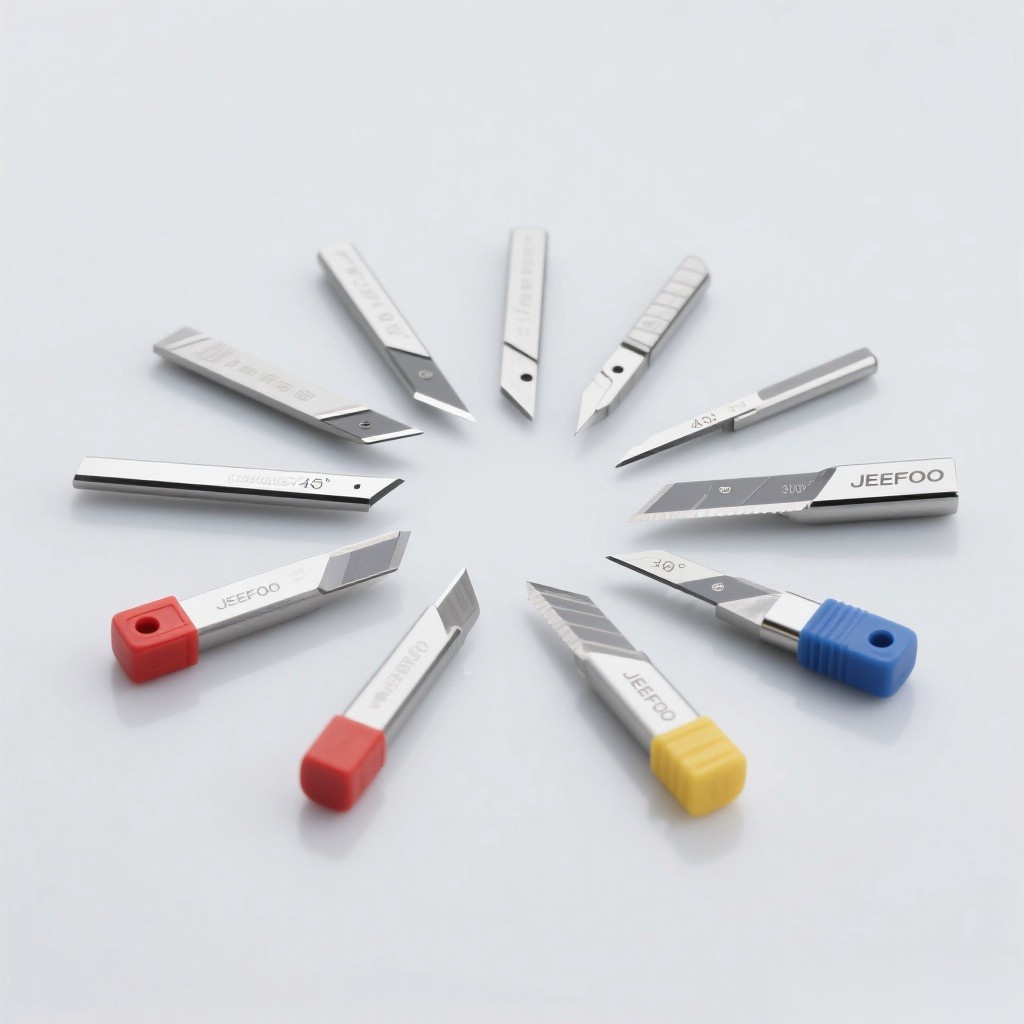
Relieved Tooth Cutter Design
| Feature | Purpose | Inspection point |
|---|---|---|
| Relieved tooth back | Provides clearance | Relief curve |
| Formed cutting edge | Transfers the required profile | Profile accuracy |
| Regrindable face | Extends usable life | Rake and edge condition |
| Rigid cutter body | Supports form accuracy | Runout and mounting |
How The Relief Profile Works
Relieving removes material behind each cutting edge so the cutter clears the workpiece while rotating. The controlled curve maintains clearance as the front face is sharpened. Correct manufacturing and regrinding are essential because an incorrect face angle or excessive stock removal can shift the effective profile.
Main Applications
- Gear milling cutters and special gear forms.
- Concave, convex and radius form cutters.
- Groove and spline profiles.
- Repeated production of shaped surfaces.
- Custom cutters requiring profile retention.
Advantages
The key advantage is profile retention after face sharpening. This supports consistent part geometry, extends tool service and avoids fully reproducing the tooth form at every regrind. It is especially valuable when the cutter profile is complex or costly to manufacture.
Selection Checklist
- Match the cutter profile to the workpiece drawing.
- Specify diameter, width, bore or shank and tooth count.
- Select high-speed steel, carbide or another suitable material.
- Confirm rake, relief and allowable regrind limits.
- Check arbor fit, runout, workholding and machine rigidity.
Regrinding And Inspection
Regrind the designated tooth face using the cutter manufacturer’s method. Inspect edge form, rake, relief, runout and damage before returning the tool to service. Record the amount removed so the remaining usable life and size compensation can be managed.
Follow the machine and cutter manuals plus OSHA machine-guarding guidance. For tool support, visit Guangzhou JeeFoo Tools.
Frequently Asked Questions
Why is the tooth back relieved?
The relief provides clearance and allows the cutting face to be reground while retaining the form.
Where are relieved tooth cutters used?
They are common in gear cutting and other form-milling applications.
Does sharpening change the cutter profile?
Proper face regrinding minimizes profile change, but inspection and compensation remain necessary.
Bottom line: a relieved tooth milling cutter is selected when accurate form retention and repeatable face regrinding matter.

发表回复
要发表评论,您必须先登录。