
A roughing milling cutter removes large volumes of material quickly by breaking chips into manageable segments. Serrated or wave-form cutting edges reduce cutting resistance, improve chip evacuation and support high metal-removal rates before a separate finishing pass.
What Is A Roughing Milling Cutter?
A roughing milling cutter—sometimes called a roughing end mill or rough skin cutter—is a rotary multi-edge tool designed for stock removal. Its interrupted edge divides the chip, reducing continuous contact and often limiting vibration compared with a smooth-edge tool under the same roughing conditions.
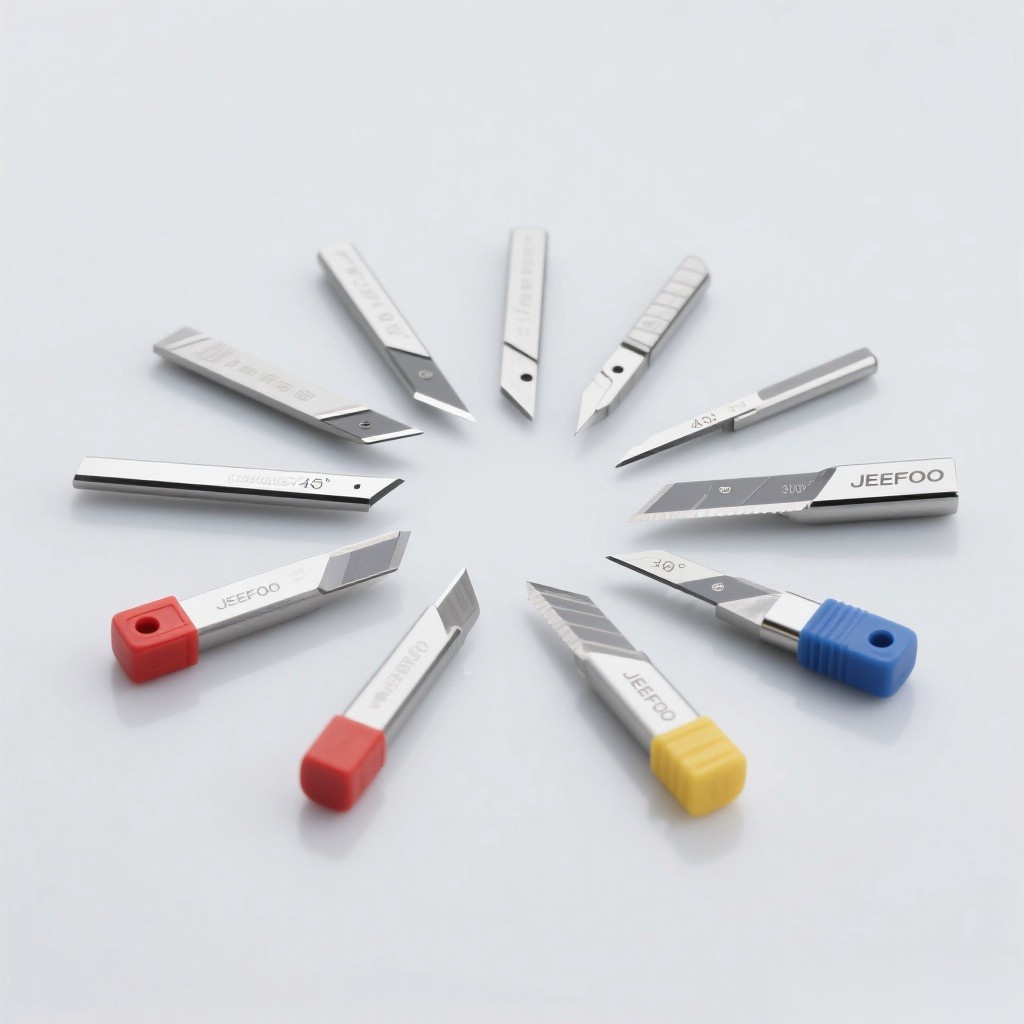
Roughing Cutter Features
| Feature | Benefit | Check |
|---|---|---|
| Serrated edge | Shorter segmented chips | Pitch and material |
| Large flute space | Better chip evacuation | Flute count |
| Rigid core | Higher stock removal | Reach and diameter |
| Coating | Heat and wear control | Workpiece compatibility |
Main Advantages
- High material-removal capability.
- Efficient rough machining of pockets and profiles.
- Segmented chips that are easier to evacuate.
- Lower continuous cutting force than a comparable smooth edge.
- Good productivity when rigidity and cutting data are correct.
1. Match The Cutter Material
High-speed steel offers toughness and lower cost, while solid carbide supports higher speed, stiffness and wear resistance. Select the substrate and coating for steel, stainless steel, cast iron, aluminum or other workpiece material.
2. Choose Diameter And Reach
Use the largest diameter that fits the feature and the shortest practical projection. Excessive overhang increases deflection and chatter, reducing the productivity advantage of a roughing cutter.
3. Select Flute Count
Fewer flutes provide larger chip spaces; more flutes provide additional cutting edges. Balance chip evacuation, material behavior, radial engagement and spindle feed capability.
4. Control Engagement
A stable toolpath keeps radial engagement predictable. Adaptive or trochoidal strategies can reduce load variation in deep pockets. Avoid sudden full-width engagement and unsupported thin stock.
5. Set Feed And Speed
Calculate feed from chip load, flute count and RPM, then adjust for engagement, coating, material and rigidity. Watch spindle load, sound, chip shape and temperature rather than relying on one universal value.
6. Plan A Finishing Pass
Serrated edges intentionally leave a textured surface. Leave uniform stock, then use a finishing end mill to achieve the specified size, finish and wall quality.
Follow the machine and tool-maker instructions plus OSHA machine-guarding guidance. For cutter support, visit Guangzhou JeeFoo Tools.
Frequently Asked Questions
Does a roughing cutter make a finished surface?
No. Its serrated edge normally leaves witness marks, so a finishing pass is recommended.
What is the main benefit of a roughing end mill?
It removes stock efficiently while producing shorter chips and controlling continuous cutting force.
Can it cut deep pockets?
Yes, when reach, rigidity, chip evacuation and the toolpath are suitable for the pocket.
Bottom line: this Roughing Milling Cutter Guide prioritizes material, diameter, reach, flute count, engagement, cutting data and finishing allowance.

发表回复
要发表评论,您必须先登录。