
An end mill can face-mill small surfaces when its diameter, end geometry, overlap, runout, projection, cutting data, workholding, and finish allowance are correctly controlled. This End Mill Face Milling Guide explains eight setup tips for flat, consistent results.
Can an end mill be used for face milling?
Table of Contents
Yes. Square and corner-radius end mills can machine flat faces, especially on small parts, pockets, and local pads. A dedicated face mill is usually more productive on broad surfaces.
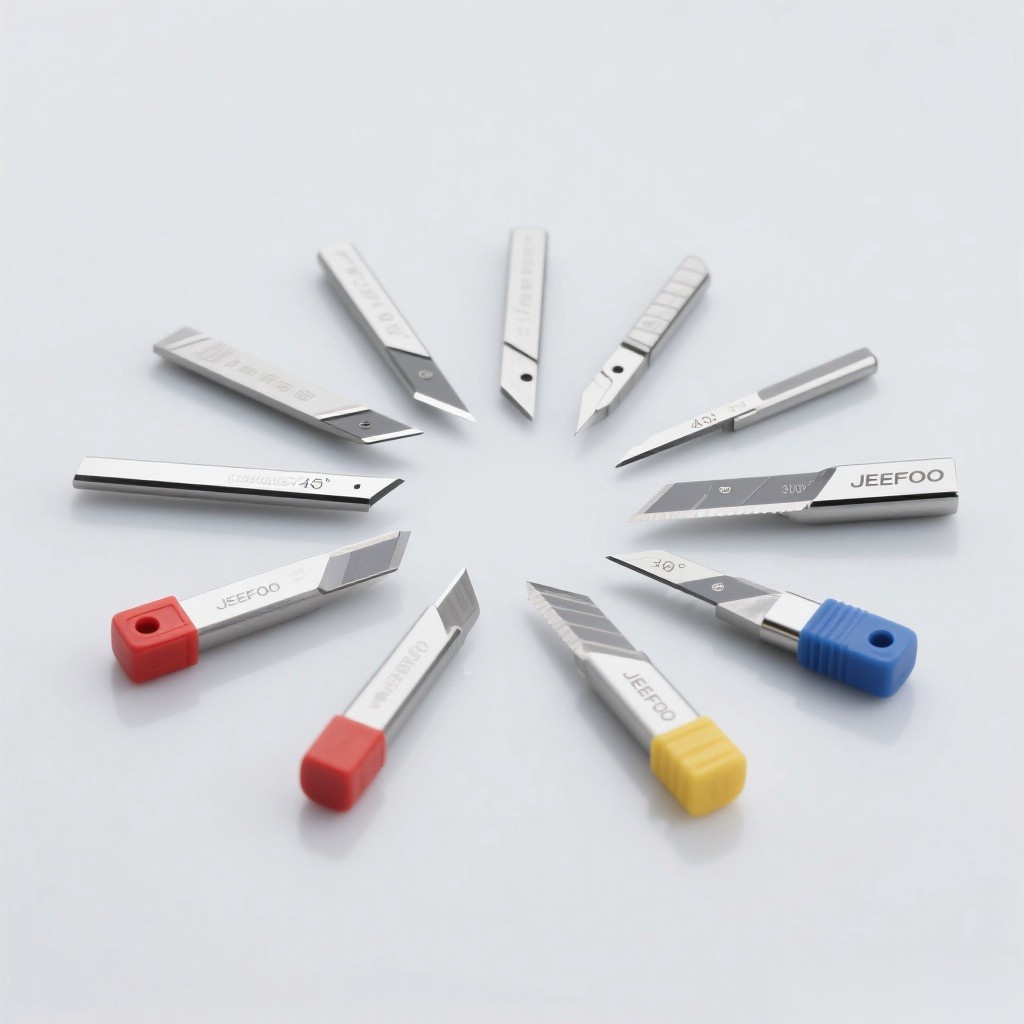
End Mill Face Milling Guide: setup table
| Factor | Check |
|---|---|
| Diameter | Surface width and overlap |
| Geometry | Square end or corner radius |
| Runout | Equal edge loading |
| Projection | Shortest practical reach |
| Toolpath | Consistent step-over |
1. Choose the correct diameter
Use the largest end mill that fits the feature and machine limits. Multiple passes need controlled overlap to prevent ridges.
2. Select end geometry
A square end creates a flat floor; a corner radius strengthens the edge but leaves a fillet near walls. Verify center-cutting capability before axial entry.
3. Minimize runout
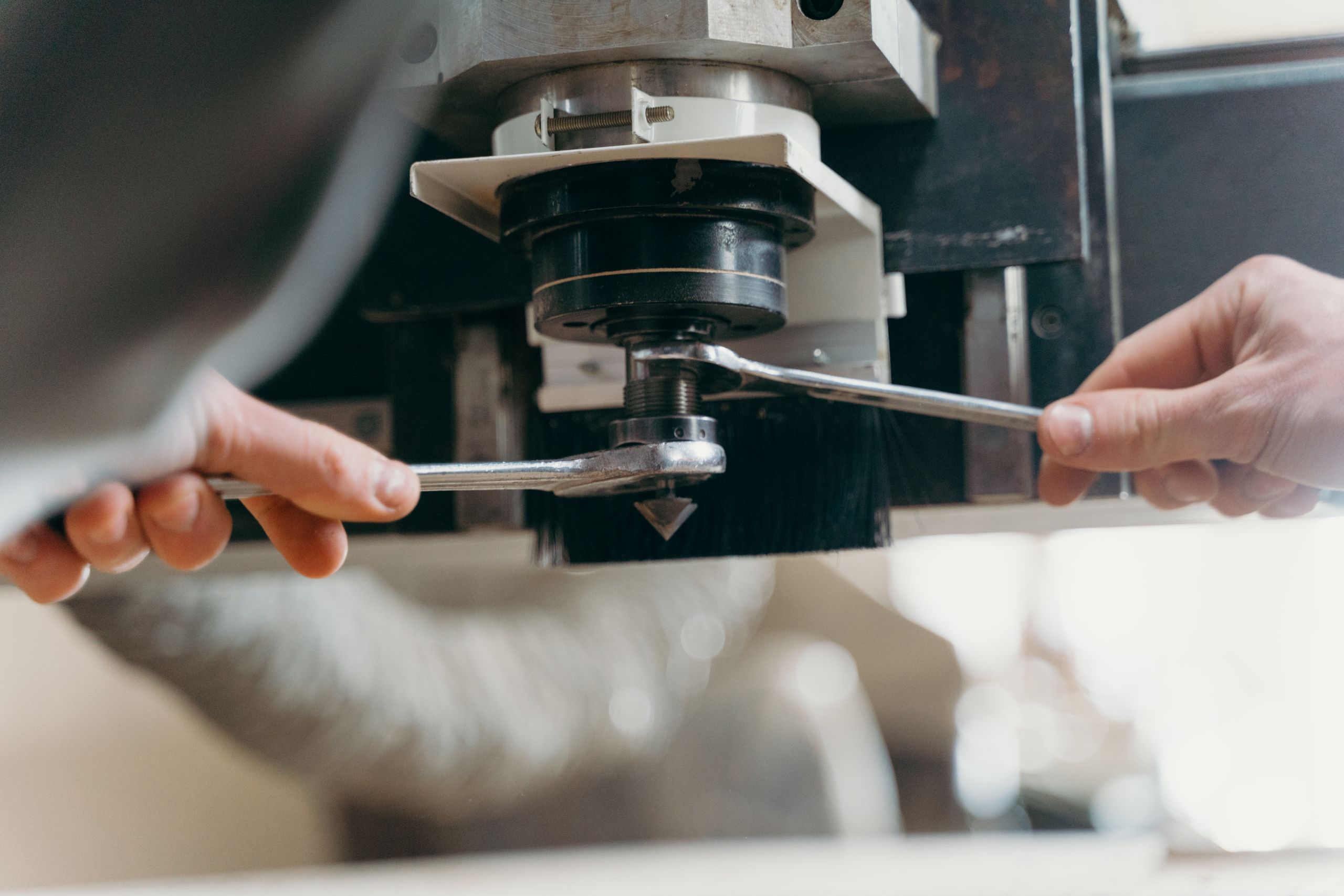
Clean the shank and holder, measure runout, and replace damaged collets. One high edge creates visible arcs and uneven wear.
4. Shorten projection
The End Mill Face Milling Guide favors the shortest reach and flute length that clear the fixture to reduce deflection and chatter.
5. Plan the toolpath
Use consistent step-over, climb milling when approved, and a stable entry and exit. Avoid leaving thin unsupported slivers.
6. Set feed and speed
Calculate feed from chip load, flute count, and RPM. Adjust for radial engagement, material, coating, and rigidity; do not reduce feed until the edge rubs.
7. Control chips and workholding
Evacuate chips so they do not scratch the finished surface. Secure and support the part without distortion.
8. Use a finishing pass
Leave uniform stock, then use light, stable engagement with a sharp tool. Inspect flatness, surface pattern, burrs, and dimensions.
Common mistakes
- Using excessive overhang.
- Ignoring runout or tram error.
- Using irregular overlap.
- Recutting chips.
- Expecting a small end mill to match face-mill productivity.
Follow the machine manual and OSHA machine-guarding guidance. For support visit Guangzhou JeeFoo Tools.
Frequently asked questions
Which end mill is best for facing?
A rigid square or corner-radius end mill matched to the material and surface width is a practical choice.
Why are face-milling lines visible?
Runout, overlap, tram error, chatter, worn edges, or chip recutting are common causes.
Should I use a face mill instead?
Use a face mill for broad surfaces and productivity; use an end mill for smaller local faces and versatile setups.
Bottom line: use this End Mill Face Milling Guide to control diameter, geometry, runout, reach, toolpath, data, chips, workholding, and finish.

发表回复
要发表评论,您必须先登录。