
CNC milling cutters can be classified by cutting material into high-speed steel, cobalt HSS, solid carbide, indexable carbide, cermet, ceramic, and polycrystalline diamond tools. This CNC Milling Cutter Material Types guide compares seven options by toughness, wear resistance, speed, work material, rigidity, and cost.
Why cutter material matters
Table of Contents
Tool material controls edge sharpness, heat resistance, stiffness, toughness, wear rate, and allowable cutting speed. Geometry, coating, holder runout, engagement, coolant, and machine rigidity remain equally important.
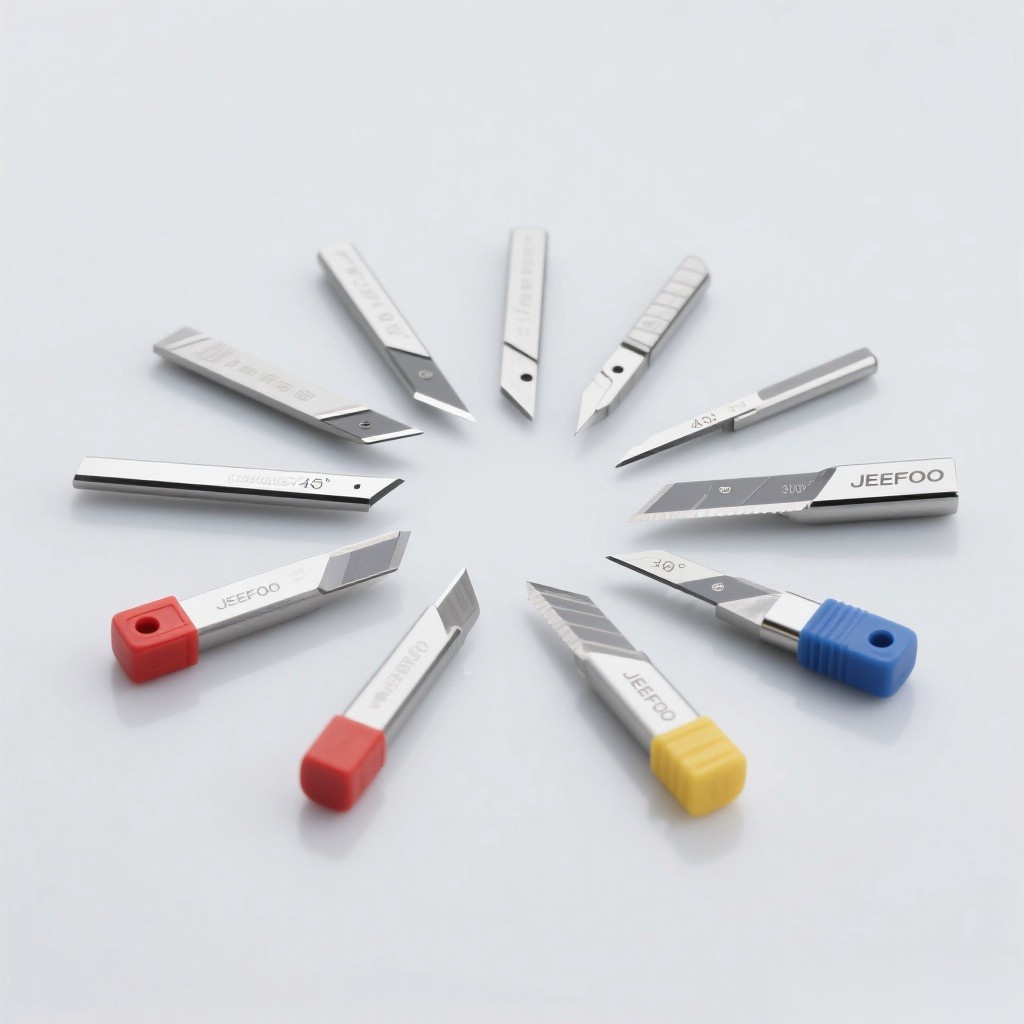
CNC Milling Cutter Material Types: comparison
| Material | Strength | Typical use |
|---|---|---|
| HSS | Tough and economical | Lower-speed machines and general work |
| Cobalt HSS | Improved hot hardness | Alloy and stainless steels |
| Solid carbide | Stiff and wear resistant | High productivity and small tools |
| Indexable carbide | Replaceable edges | Facing and heavy milling |
| Cermet | Stable finishing wear | Selected steel finishing |
| Ceramic | High-temperature hardness | Rigid high-speed applications |
| PCD | Extreme abrasion resistance | Aluminum and nonferrous composites |
1. High-speed steel
HSS tolerates shock and is easier to regrind than carbide. It suits lower spindle speeds, interrupted cuts, and less rigid machines, but wears faster at high temperature.
2. Cobalt high-speed steel
Cobalt-alloy HSS retains hardness at higher heat and can improve performance in tougher alloys. It still requires correct chip load, coolant policy, and edge geometry.
3. Solid carbide
Solid carbide provides stiffness and wear resistance for higher speed and accuracy in a rigid setup. The CNC Milling Cutter Material Types guide notes its sensitivity to impact, runout, and excessive overhang.
4. Indexable carbide
Indexable bodies accept replaceable inserts in different grades, chipbreakers, coatings, and radii. Verify insert-seat compatibility and equal edge height.
5. Cermet
Cermet can provide stable wear and good finish in selected steel applications, but it is less tolerant of shock than tough carbide grades.
6. Ceramic
Ceramic maintains hardness at very high temperature. It needs rigid machines, stable engagement, approved materials, and manufacturer-specific cutting data.
7. Polycrystalline diamond
PCD offers exceptional abrasion resistance and finish in aluminum, copper alloys, graphite, plastics, and composites. It is generally unsuitable for ferrous cutting at high temperature.
Selection checklist
- Define work material, hardness, and abrasiveness.
- Choose roughing or finishing geometry.
- Check spindle speed, power, torque, and rigidity.
- Minimize runout and projection.
- Match coating and coolant strategy.
- Start with manufacturer speed and chip-load data.
- Track wear, load, chips, finish, and dimensions.
Common mistakes
- Choosing the hardest tool instead of the correct toughness.
- Using carbide in a weak, high-runout setup.
- Applying PCD to unsuitable ferrous materials.
- Ignoring insert-body compatibility.
- Using one cutting speed for every tool material.
Safety
Follow the machine manual and OSHA machine-guarding guidance. For support visit Guangzhou JeeFoo Tools.
Frequently asked questions
Is carbide always better than HSS?
No. Carbide is stiffer and more wear resistant, while HSS is tougher and can suit lower-speed or interrupted work.
Which tool material is best for aluminum?
Sharp polished carbide is common; PCD is valuable for abrasive, high-volume nonferrous work.
Why do ceramic tools chip?
Weak rigidity, impact, unstable engagement, or unsuitable application can fracture brittle ceramic edges.
Bottom line: use this CNC Milling Cutter Material Types guide to balance wear, toughness, speed, work material, rigidity, geometry, and cost.

发表回复
要发表评论,您必须先登录。