
A corn milling cutter uses closely spaced serrated or corn-cob-style cutting edges to divide material into smaller chips during rough machining. The main Corn Milling Cutter Advantages are lower cutting force, easier chip control, high stock-removal potential, reduced vibration, useful performance in deep cuts, lower spindle load, stable roughing, and predictable finishing allowance.
What is a corn milling cutter?
Table of Contents
A corn milling cutter is a roughing end mill or rotary cutter with interrupted serrations around its flutes. The profile breaks a wide chip into narrower segments instead of producing one continuous chip across the full axial engagement. Naming varies by supplier, so confirm diameter, shank, flute form, cutting direction, substrate, coating, and intended material.
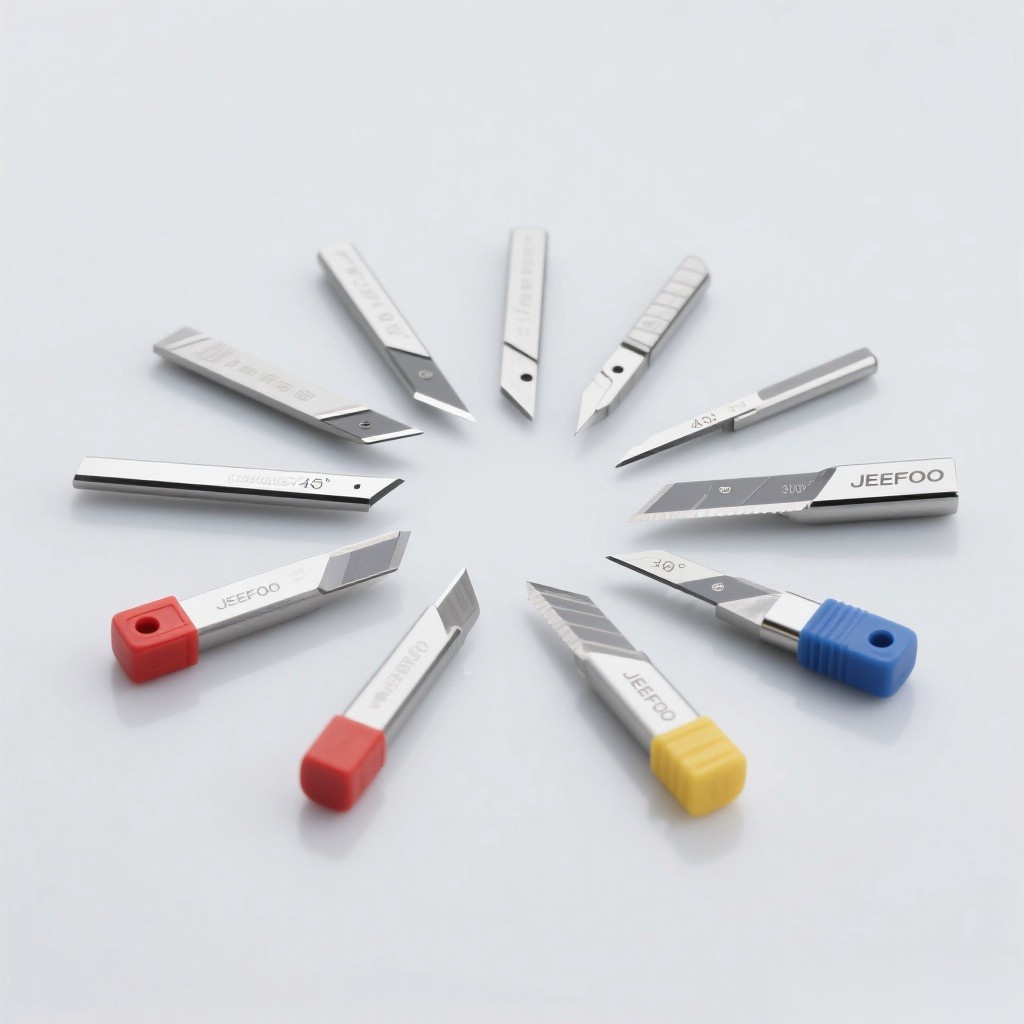
Corn Milling Cutter Advantages: quick summary
| Advantage | Machining effect | Condition to verify |
|---|---|---|
| Segmented chips | Easier evacuation | Flute space and coolant |
| Lower cutting force | Reduced spindle load | Correct engagement and feed |
| Interrupted edge contact | Can limit chatter | Rigid holder and setup |
| High axial engagement | Fast roughing | Tool reach and machine power |
| Controlled rough surface | Predictable finish stock | Separate finishing pass |
1. Smaller, manageable chips
The serrated edge divides chips along the flute length. Smaller segments can leave deep pockets and side cuts more reliably, reducing recutting when air, coolant, or evacuation is correctly directed.
2. Lower average cutting force
Interrupted contact can reduce average cutting load compared with a smooth-edge tool removing the same broad chip. One of the most useful Corn Milling Cutter Advantages is the ability to rough efficiently on a suitable machine without treating reduced force as permission to exceed tool limits.
3. High stock-removal potential
Corn-cob roughers can support substantial axial engagement and productive feed rates. Start with manufacturer data and adjust for radial width, material, diameter, flute count, projection, spindle torque, and workholding.
4. Reduced chatter tendency
Segmented cutting forces and roughing geometry may reduce vibration in some applications. Chatter can still occur from excessive overhang, runout, weak fixturing, worn edges, unsuitable speed, or too much engagement.
5. Useful performance in deep cuts
Good chip division supports deeper axial roughing when flute length and neck clearance are appropriate. Use the shortest overall reach that clears the part and confirm holder-to-workpiece clearance.
6. Lower heat concentration
Interrupted edges and segmented chips can help distribute heat, but coating, substrate, coolant policy, cutting speed, and chip evacuation remain decisive. Stainless steel and heat-resistant alloys need particular attention to work hardening and edge toughness.
7. Stable roughing before finishing
The serrated profile intentionally leaves fine ridges. Leave a consistent radial and axial allowance, then use a finishing end mill for final dimensions and surface quality. The Corn Milling Cutter Advantages apply primarily to stock removal, not final finishing.
8. Broad roughing applications
Depending on grade and geometry, corn cutters can rough steel, stainless steel, aluminum, cast iron, plastics, composites, and nonferrous materials. Use only the maker’s approved material range; a general name does not guarantee universal compatibility.
Selection checklist
- Match diameter, shank, flute length, and reach to the feature and holder.
- Choose substrate, coating, and edge preparation for the work material.
- Verify center-cutting capability before axial entry.
- Confirm flute count and chip space for radial engagement.
- Check machine RPM, power, torque, holder runout, and balance limits.
- Plan a separate finishing pass and leave uniform allowance.
- Monitor spindle load, sound, chips, edge wear, and workpiece dimensions.
Common mistakes
- Expecting a roughing cutter to leave a finished surface.
- Using excessive reach or unsupported flute length.
- Ignoring chip evacuation in deep pockets.
- Reducing feed until the edge rubs instead of cutting.
- Running generic parameters without engagement correction.
- Continuing after chipping, abnormal noise, or rising spindle load.
Follow the machine builder’s setup and guarding procedure and review authoritative OSHA machine-guarding guidance. For related cutting-tool support, visit Guangzhou JeeFoo Tools.
Frequently asked questions
Is a corn milling cutter a finishing tool?
No. It is primarily a roughing tool. Use a smooth-edge finishing cutter when surface finish and final tolerance matter.
Why are the cutting edges serrated?
The serrations divide wide chips into smaller segments, which can reduce average force and improve chip handling.
Can a corn cutter plunge?
Only if its end geometry is center cutting and the manufacturer permits axial entry. Otherwise use a ramp, side entry, or prepared hole.
Why does a roughing cutter chatter?
Common causes include excess projection, runout, weak workholding, worn edges, unsuitable speed, and excessive radial engagement.
Bottom line: the Corn Milling Cutter Advantages are strongest in controlled roughing with correct geometry, engagement, chip evacuation, rigidity, cutting data, finishing allowance, and safety.

发表回复
要发表评论,您必须先登录。