
Cutting tool clearance angle should be large enough to prevent flank rubbing but small enough to preserve edge strength and heat capacity. The best value depends on workpiece hardness, elasticity, tool material, feed, depth, edge radius, finish target, and machine rigidity.
What is cutting tool clearance angle?
Table of Contents
Clearance angle, also called relief or back angle, is the angle between the tool flank and the newly machined surface. It prevents the flank from rubbing behind the cutting edge. Too little clearance increases friction and heat; too much removes supporting material and weakens the edge.
Cutting Tool Clearance Angle: 9 selection tips
- Consider workpiece hardness: hard, strong materials often require a stronger edge and moderate clearance.
- Account for elasticity: elastic materials spring back and may need more clearance to prevent rubbing.
- Match tool material: brittle carbide generally needs more edge support than tougher high-speed steel.
- Check feed: heavy feed increases load and may require a stronger wedge.
- Check depth of cut: heavy roughing favors durability over maximum relief.
- Separate roughing and finishing: finishing can use larger clearance when cutting force is low.
- Consider edge radius: honing changes effective clearance and minimum chip thickness.
- Allow for wear: flank wear reduces effective clearance during service.
- Validate with a trial: inspect heat, sound, force, finish, burrs, and wear pattern.
Large versus small clearance angle
A larger clearance angle reduces flank contact, rubbing, heat, and burnishing. It can improve finish in ductile or elastic materials and at light finishing loads. A smaller angle leaves more material behind the edge, increasing wedge strength and heat conduction, which helps under heavy load, hard materials, and interrupted cutting.
Match clearance to the workpiece
- Soft ductile metals: adequate relief helps prevent rubbing and built-up edge.
- Hard steels: maintain edge support and avoid excessive weakening.
- Aluminum and plastics: sharp positive geometry and more relief can reduce smearing.
- Wood and composites: choose sharpness and support according to fiber, resin, and abrasion.
- Interrupted cuts: prioritize toughness and a supported edge.
Roughing versus finishing
Roughing creates high force, vibration, and temperature, so the cutting wedge needs support. Finishing removes less material and can use more clearance to reduce rubbing and improve surface quality. Do not copy one angle to both operations without considering edge load and required finish.
Primary and secondary clearance
Many tools use a narrow primary relief immediately behind the edge for precise support and a larger secondary relief farther back to prevent body contact. The width of the primary land affects strength, heat, rubbing, and regrinding behavior. Measure both angle and land width when comparing tools.
Effect of tool material and coating
Carbide is hard and wear resistant but relatively brittle, while high-speed steel is tougher. PCD, CBN, ceramics, and coated tools have different edge-preparation needs. Coating thickness, honing, and polishing modify the final edge geometry, so evaluate the finished tool rather than the nominal grind alone.
Recognize incorrect clearance
- Too little: rubbing noise, high heat, flank polish, burnishing, poor finish, and rapid wear.
- Too much: edge chipping, vibration, weak corners, and sensitivity to impact.
- Uneven relief: variable load, runout, inconsistent finish, and premature failure.
- Worn relief: rising power, dimensional drift, burrs, and flank wear land growth.
Inspection and safety checklist
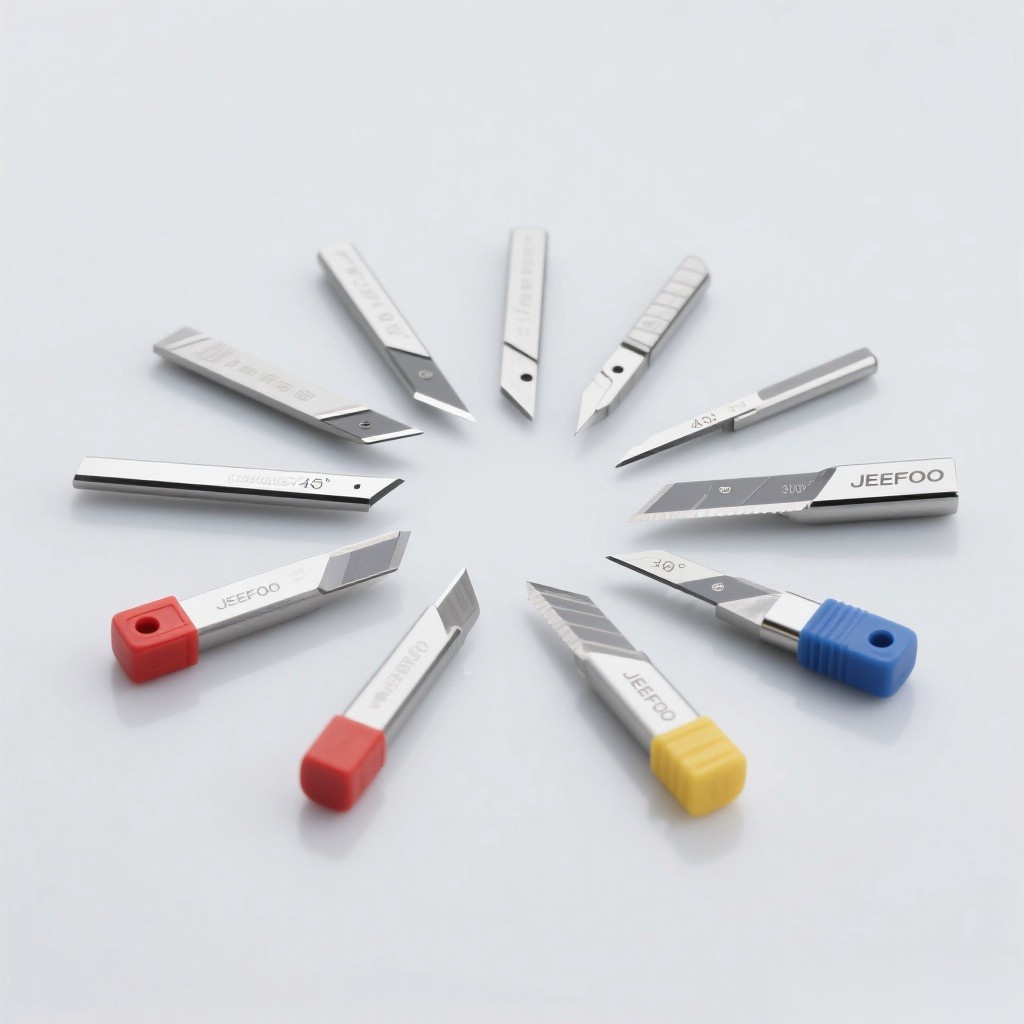
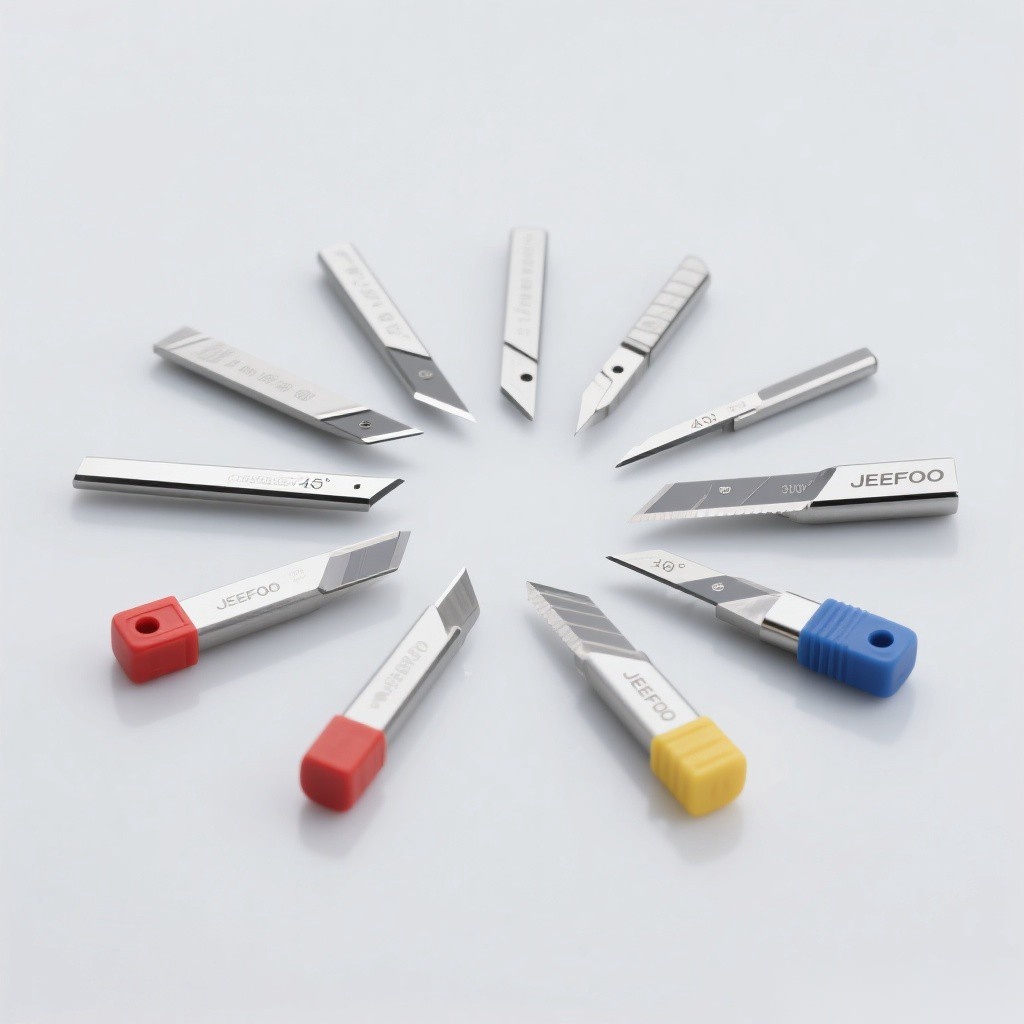
Use optical measurement or a toolmaker’s microscope for small edges, confirm reference planes, inspect honing and flank wear, and document successful geometry by material. Follow machine and tool guidance. Review the OSHA machine guarding guidance and explore JeeFoo precision cutting tools.
Frequently asked questions
What happens if clearance angle is too small?
The flank rubs the machined surface, increasing heat, force, burnishing, wear, dimensional error, and poor finish.
What happens if clearance angle is too large?
The cutting wedge loses support, making the edge more vulnerable to chipping, vibration, impact, and thermal damage.
Should finishing use more clearance?
Often yes, because finishing force is lower and reduced rubbing improves surface quality, but tool material, edge radius, and workpiece still govern the final angle.


发表回复
要发表评论,您必须先登录。