
The best milling method depends on surface direction, material, machine rigidity, cutter geometry, workholding, tolerance, and chip control. This Milling Method Selection guide compares climb and conventional milling, face and peripheral milling, slotting, profiling, pocketing, and high-efficiency strategies.
What is a milling method?
Table of Contents
A milling method defines how a rotating multi-edge cutter engages the workpiece and how the machine moves through the feature. The choice controls cutting-force direction, chip thickness, heat, tool deflection, surface finish, burr formation, and productivity.
Milling Method Selection: 9 expert tips
- Define the feature: identify whether the operation is facing, profiling, slotting, pocketing, contouring, or finishing.
- Check machine condition: backlash, spindle runout, rigidity, and control capability influence method choice.
- Match the material: hardness, abrasiveness, ductility, and heat behavior determine geometry and engagement.
- Choose cut direction: use climb milling on rigid, backlash-controlled CNC machines when appropriate.
- Limit engagement: control radial width and axial depth to keep load predictable.
- Plan chip evacuation: avoid recutting in slots, deep pockets, plastics, and soft aluminum.
- Use smooth entry: apply ramping, helical entry, or arc lead-ins instead of abrupt plunges.
- Leave finish stock: maintain a uniform allowance for accurate finishing.
- Validate the process: inspect chips, sound, load, dimensions, finish, burrs, and tool wear.
Climb milling versus conventional milling
In climb milling, cutter rotation pulls the workpiece in the feed direction and chip thickness starts high, then falls toward zero. It often improves finish and tool life on rigid CNC machines. Conventional milling feeds against rotation; chip thickness starts near zero and increases. It can be useful on machines with backlash concerns or for particular surface conditions. Always follow machine and tooling guidance.
Face, peripheral, and end milling
- Face milling: produces broad flat surfaces mainly with cutter-face edges.
- Peripheral milling: uses the cutter circumference for straight walls and long surfaces.
- End milling: combines end and peripheral edges for slots, pockets, profiles, and 3D features.
- Slot milling: engages a large portion of the cutter and demands excellent evacuation.
- Contour milling: follows complex geometry and requires attention to tool-center motion and engagement.
Roughing and finishing strategies
Roughing prioritizes stable material removal using suitable chip load, axial depth, and controlled radial engagement. Adaptive or constant-engagement paths reduce load spikes at corners. Finishing uses a sharp, low-runout tool and uniform allowance to control size, straightness, and surface texture. Separate tools can improve consistency.
Set speed, feed, and engagement
Calculate feed rate from spindle speed × flute count × chip load. Start with the cutter supplier’s data, then account for tool diameter, projection, holder, machine power, material, cooling, and path engagement. Excessively light feed can cause rubbing, while excessive chip load can deflect or chip the cutter.
Manage entry, exits, and corners
Use helical entry for pockets when the tool supports it, ramp into open features, and use arc lead-ins for finishing. Reduce engagement at internal corners with adaptive paths or pre-clearing. Avoid stopping on the finished wall, because dwell marks and heat can damage the surface.
Troubleshoot milling problems
- Chatter: shorten projection, improve clamping, revise speed, or reduce engagement.
- Poor finish: inspect runout, edge wear, deflection, feed marks, and finishing allowance.
- Built-up edge: improve lubrication, evacuation, geometry, and cutting data.
- Burrs: revise cut direction, edge sharpness, support, and finishing path.
- Corner tool failure: smooth the path and prevent sudden engagement spikes.
Inspection and safety checklist
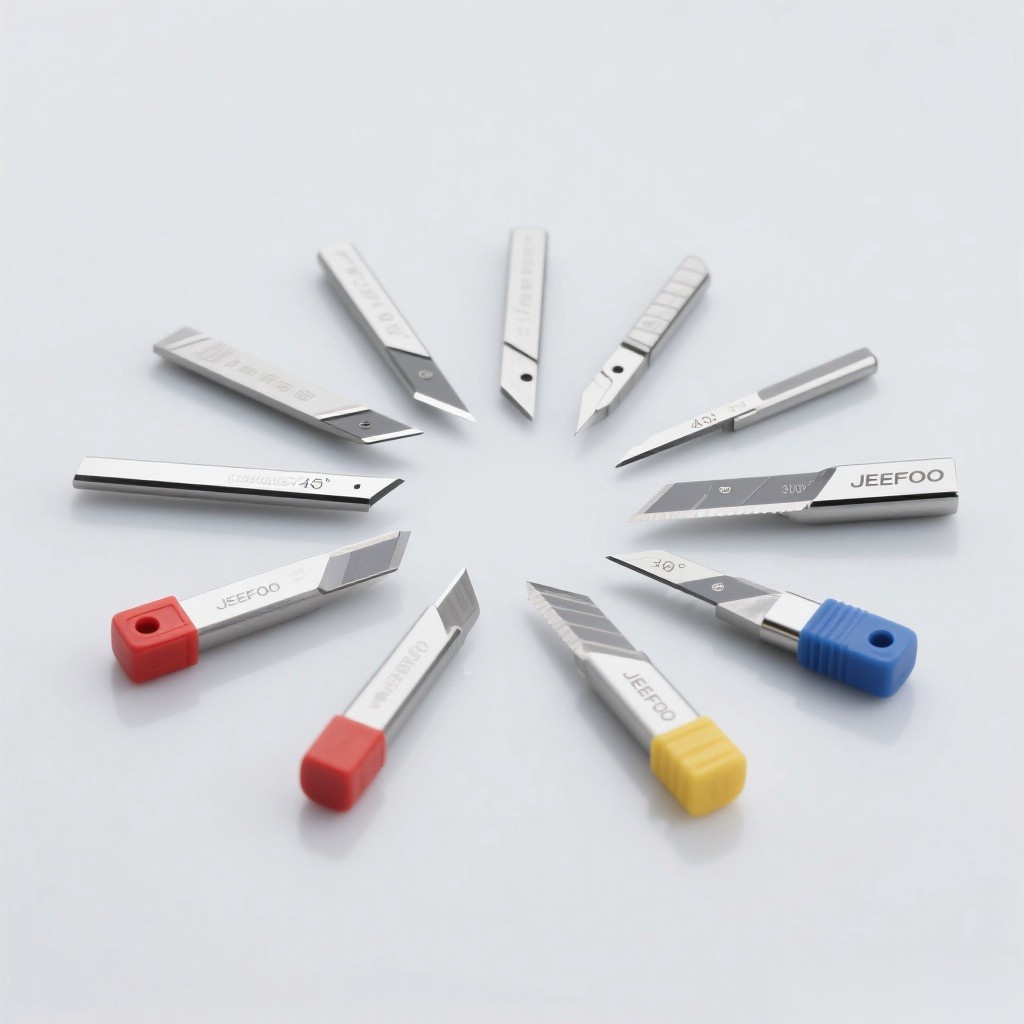
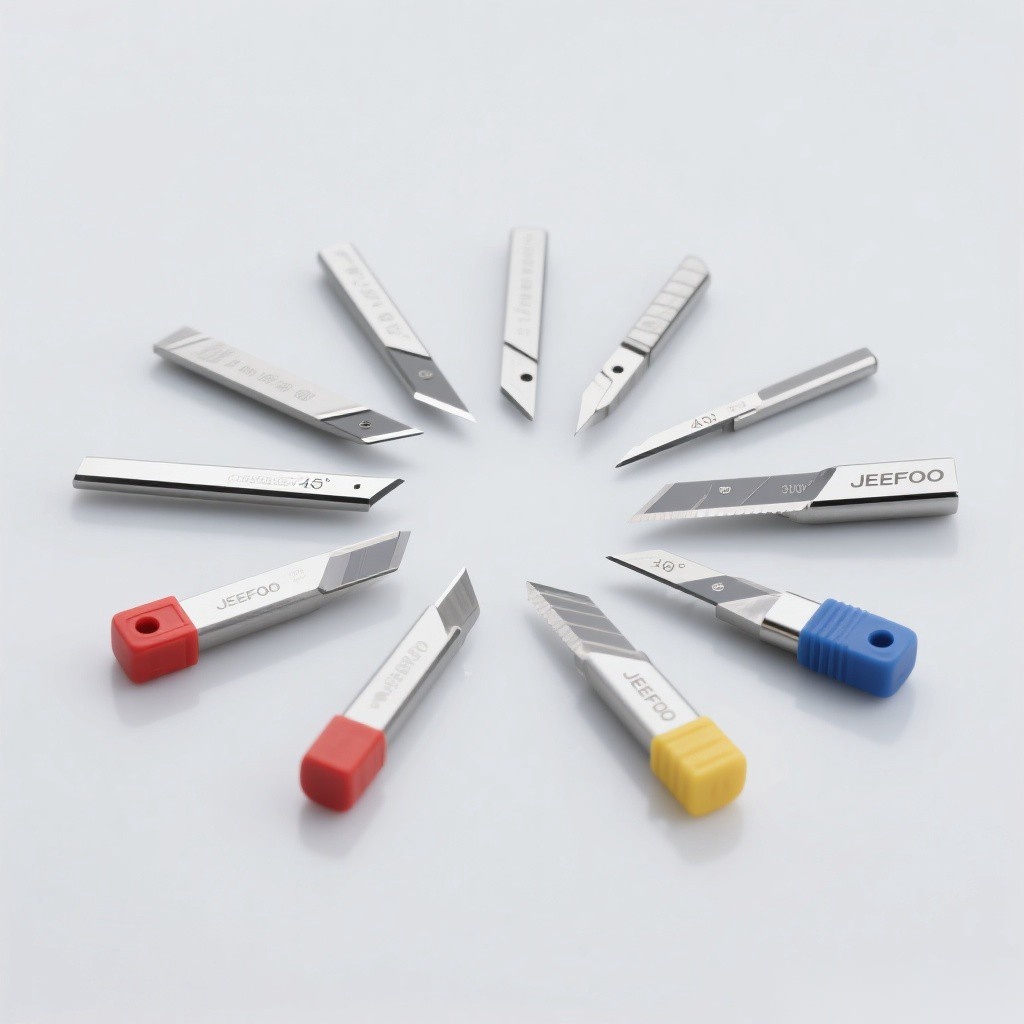
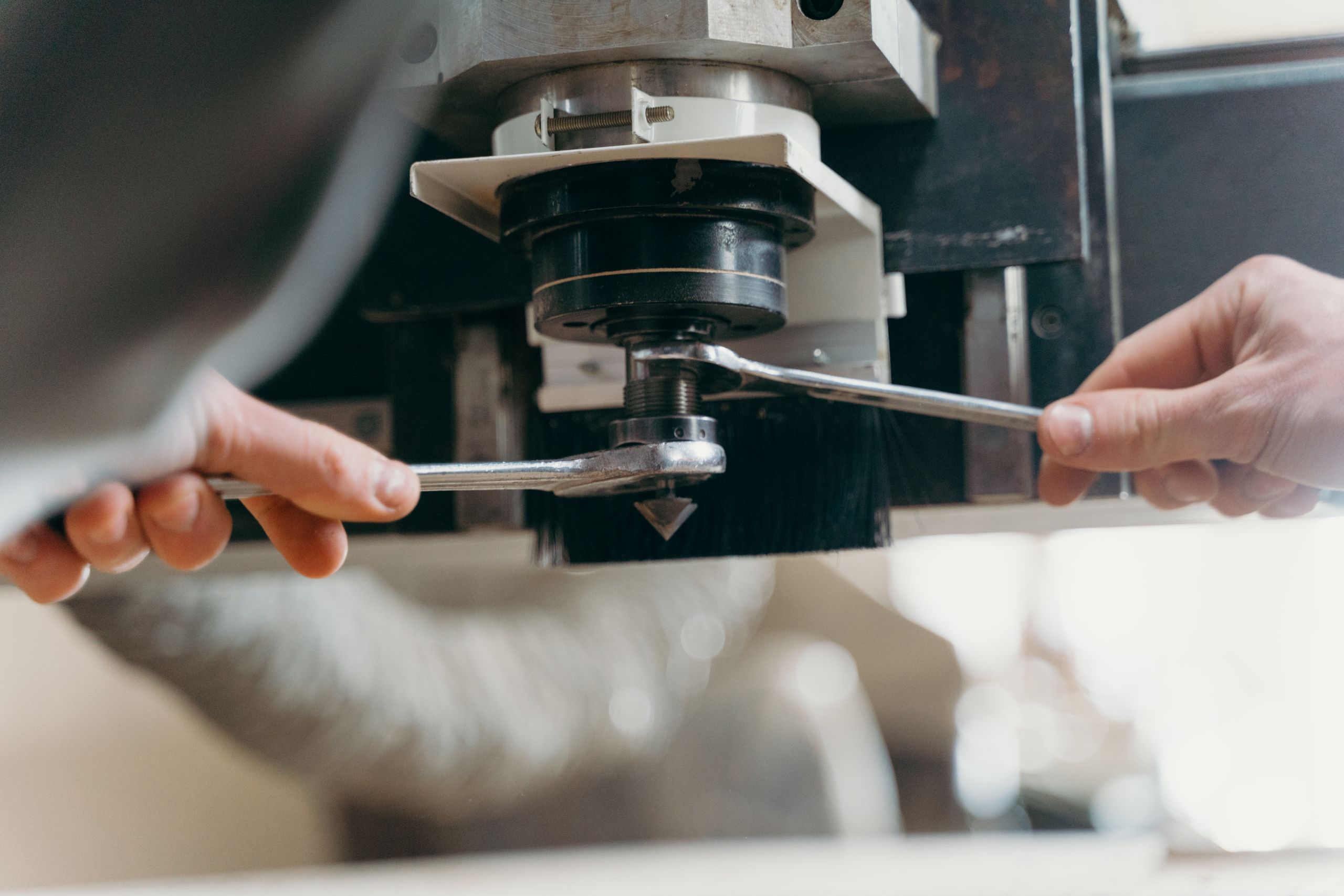
Verify cutter condition, holder runout, workholding, clearances, offsets, and the simulated toolpath before starting. Enclose the work zone and control chips and coolant. Follow machine and tool manufacturer instructions. Consult the OSHA machine guarding guidance and explore JeeFoo precision cutting tools for related solutions.
Frequently asked questions
Is climb milling better than conventional milling?
Climb milling is often preferred on rigid, backlash-controlled CNC machines for finish and tool life, but conventional milling remains useful for some machines, surfaces, and entry conditions.
Which milling method is best for pockets?
Helical entry followed by adaptive or constant-engagement roughing is efficient for many pockets. Leave uniform stock and use a separate wall and floor finishing pass.
Why does a milling cutter chatter?
Common causes include excessive projection, weak workholding, runout, unstable speed, too much engagement, worn edges, and a flexible machine or workpiece.

发表回复
要发表评论,您必须先登录。