
A corn cob milling cutter is a serrated roughing tool designed to remove material quickly while breaking chips into short, manageable pieces. This practical guide explains how to choose tooth form, diameter, flute length, coating, feed, speed, and toolpath for wood, plastic, composites, aluminum, and metal applications.
What is a corn cob milling cutter?
Table of Contents
A corn cob milling cutter has staggered or serrated cutting edges that resemble the surface of a corn cob. The interrupted edge divides each chip, lowers cutting force, and improves evacuation during aggressive roughing. It is normally used before a finishing tool because the serrations can leave a textured wall.
Corn Cob Milling Cutter Guide: 9 selection tips
- Match the material: select carbide grade and edge preparation for wood, plastic, composite, aluminum, steel, or stainless steel.
- Choose tooth pitch: coarse serrations favor chip space and heavy removal; finer patterns can improve stability and surface consistency.
- Use the largest rigid diameter: stiffness rises rapidly with diameter and helps control deflection.
- Limit flute length: choose only the reach needed for the feature.
- Match helix direction: upcut helps evacuation, while downcut can protect a supported top surface in suitable sheet materials.
- Select a coating: choose according to heat, abrasion, adhesion, and the workpiece material.
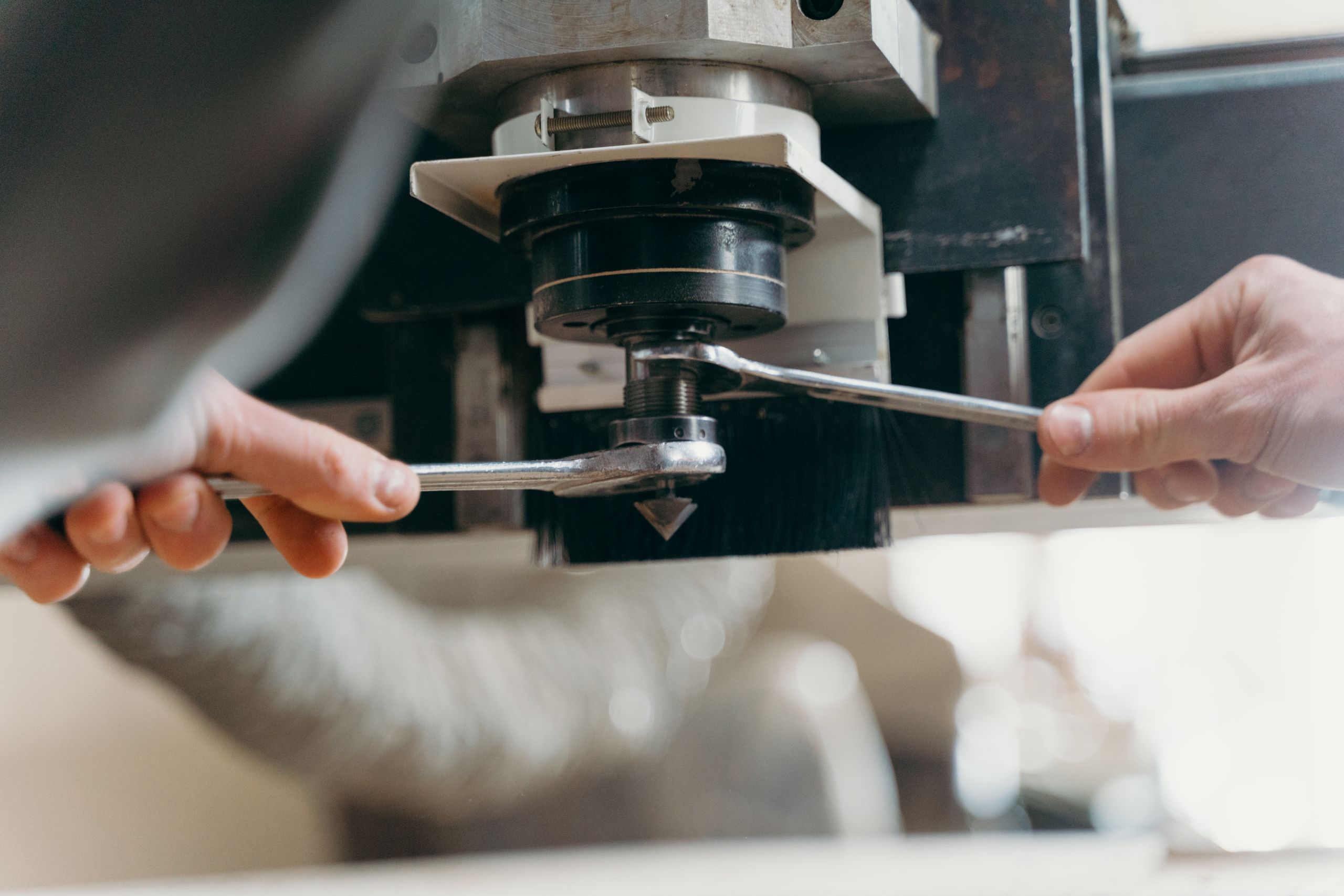
- Check holder runout: clean the shank, collet, nut, and spindle taper before installation.
- Plan roughing allowance: leave uniform stock for the finishing pass.
- Validate settings: inspect chips, sound, spindle load, wall condition, and tool wear after a test cut.
Choose geometry for the material
- Wood and MDF: use sharp carbide edges and efficient dust extraction; select cut direction to control surface breakout.
- Plastic: prioritize polished flutes and chip space to reduce melting and rewelding.
- Aluminum: use nonferrous geometry, lubrication, and strong evacuation to prevent built-up edge.
- Steel: use a suitable coated carbide grade, rigid setup, and controlled radial engagement.
- Composites: match geometry to fiber and resin system while controlling dust and delamination.
Set speed, feed, and chip load
Calculate feed rate as spindle speed × flute count × chip load per tooth. Begin with the cutter supplier’s data, then reduce engagement or feed when the tool is long, the machine is light, or the workpiece is thin. Do not solve every problem by slowing the feed: rubbing can increase heat and shorten tool life.
Use efficient roughing toolpaths
Adaptive or constant-engagement toolpaths help keep cutter load stable. Use a moderate radial width and appropriate axial depth rather than forcing full-width slots whenever possible. Apply smooth lead-ins, avoid sudden direction changes, and leave an even finishing allowance on floors and walls.
Control chips, heat, and dust
Short chips are a major advantage of the corn cob milling cutter, but they must still leave the cutting zone. Use coolant, air, mist, vacuum extraction, or another approved method for the material and machine. Never allow recutting or packed flutes, because heat and edge chipping can rise rapidly.
Troubleshoot common problems
- Chatter: shorten tool extension, improve clamping, reduce radial engagement, or adjust speed.
- Burning or melting: improve chip removal and verify chip load.
- Heavy wall marks: check deflection, runout, serration pitch, and finishing allowance.
- Edge chipping: inspect entry, holder runout, impact, and grade toughness.
- Rapid wear: confirm coating, material abrasiveness, cutting speed, and evacuation.
Inspection and safety checklist
Measure runout close to the cutting edge, verify workholding, inspect the cutter for chips, and confirm clearance before starting. Enclose the cutting area and use proper dust or chip control. Follow the machine and tool manufacturer’s instructions. See the OSHA machine guarding guidance for general safety principles, and review JeeFoo precision cutting tools for compatible options.
Frequently asked questions
Is a corn cob milling cutter a finishing tool?
It is primarily a roughing tool. Its serrations remove stock efficiently but usually leave a patterned surface, so a smooth finishing cutter is commonly used afterward.
Why does a corn cob milling cutter reduce cutting force?
The interrupted serrated edge divides a wide chip into smaller segments. This reduces continuous contact and can lower force compared with a smooth edge at the same engagement.
How much stock should remain for finishing?
Leave a uniform allowance appropriate to the material, tool size, machine rigidity, and required tolerance. The finishing tool should remove enough material to clean the serration marks without being overloaded.

发表回复
要发表评论,您必须先登录。