
A single-flute spiral end mill combines one sharp cutting edge with a large flute for chip evacuation. It is widely used in CNC routing of aluminum, plastics, wood, foam, and sheet materials when spindle speed is high but machine feed is limited. This Single Flute Spiral End Mill Guide explains helix direction, chip load, setup, and troubleshooting.
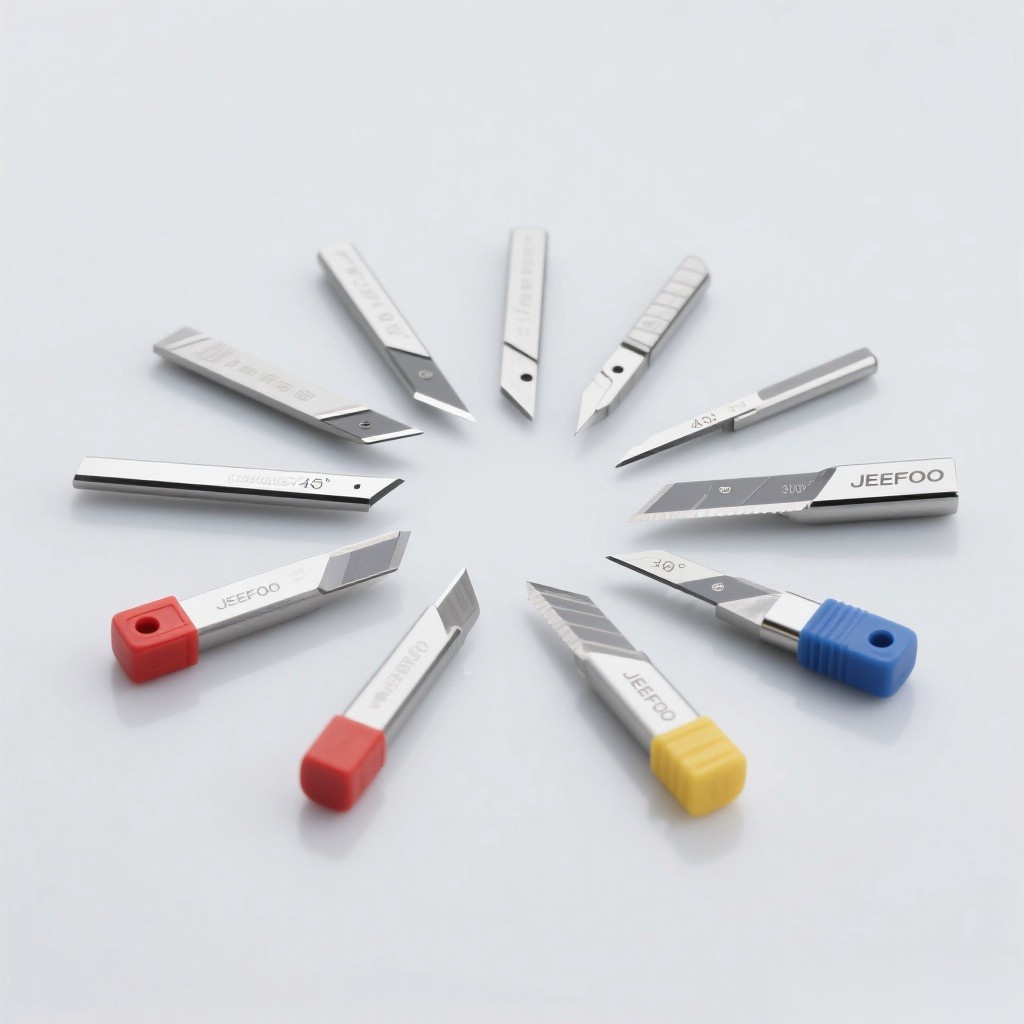
Single Flute Spiral End Mill Guide: quick answer
- One flute: large chip space and suitable chip thickness at a lower feed than multi-flute tools.
- Upcut spiral: pulls chips upward and supports deep slots, but can lift thin sheet or fray the top edge.
- Downcut spiral: pushes material downward and protects the top surface, but confines chips below.
- Best candidates: aluminum, thermoplastics, wood, foam, and composites with the correct edge and coating.
- Key control: avoid rubbing by maintaining chip load and preventing chip recutting.
1. Choose upcut or downcut helix
An upcut carries chips toward the holder and is useful for pockets and slots with open extraction, but it applies upward force. A downcut pushes chips and the workpiece downward, improving top-edge control in sheet, but requires space below or another evacuation route. Confirm rotation and helix from the supplier drawing.
2. Match edge geometry to the material
Sharp polished carbide can reduce built-up edge in aluminum and plastics. Wood and composites need geometry that controls fibers and abrasion. Foam needs an edge that slices without crushing. Coatings may improve wear or friction only when chemistry, edge radius, and cutting temperature are compatible.
3. Select diameter, flute length, and reach
Choose the largest diameter that fits the feature, only enough flute length for the required depth, and minimum overall overhang. Long reach reduces stiffness and increases chatter, runout sensitivity, wall taper, and breakage. Verify shank and holder clearance in the full toolpath.
4. Calculate feed from chip load
The Single Flute Spiral End Mill Guide uses the standard relationship: feed rate equals spindle speed multiplied by one flute and the target chip load. A single flute can make a real chip at a feed rate that would cause a multi-flute tool to rub. Start with supplier data and adjust for engagement and rigidity.
5. Control heat and chip recutting
Melting plastic, welded aluminum, darkened wood, or dusty chips often signal rubbing or recutting. Use vacuum, air blast, mist, coolant, or another compatible method. Keep flutes clear, provide an escape path, and avoid lowering feed without checking chip thickness.
6. Minimize holder runout
Clean the spindle taper, holder, collet, nut, and shank. Use the correct collet range, insertion depth, and tightening method. Measure runout near the cutting end. With only one cutting edge, eccentricity directly changes chip thickness, balance, slot size, and finish.
7. Choose stable entry and engagement
Use ramping, helical entry, pre-drilling, or a supplier-approved plunge. Full-width slots confine chips and load the cutter more than side milling, so adjust stepdown and feed. Constant-engagement toolpaths can stabilize load in corners and pockets.
8. Secure and support the workpiece
Thin sheet can lift under upcut force or move under downcut pressure if support is poor. Use vacuum, clamps, tabs, adhesive, or sacrificial layers appropriate to the material. Test long-sheet tracking, fixture clearance, and breakout at entry and exit.
9. Diagnose common cutting problems
- Melted plastic: increase chip thickness and evacuation, check edge sharpness, and review speed.
- Aluminum adhesion: use polished geometry, compatible lubrication, and adequate chip load.
- Top-edge fray: consider downcut geometry, support, feed direction, and edge wear.
- Chatter: shorten overhang, improve clamping, change speed, or reduce engagement.
- Broken cutter: inspect runout, plunge strategy, recutting, flute length, and collisions.
Single Flute Spiral End Mill Guide checklist
- Confirm material, thickness, slot depth, and edge-quality requirement.
- Select upcut or downcut based on chips, support, and surface finish.
- Choose diameter, flute length, reach, carbide, and polish.
- Clean the holder and measure runout.
- Calculate feed from RPM and supplier chip-load data.
- Validate entry, engagement, evacuation, heat, and workholding.
- Record stable parameters and tool-change limits.
- Review JeeFoo single-flute spiral cutter resources.
Safe use and maintenance
Inspect the cutting edge, shank, and holder before use, keep guards and extraction in place, and remove chips only after motion stops. Isolate the machine during tool or spindle service. Follow the OSHA hazardous-energy guidance and machine procedure.
Frequently asked questions
Why can one flute cut efficiently?
It provides large chip space and reaches the target chip thickness at a lower total feed than a multi-flute cutter running at the same RPM.
Is upcut always better for aluminum?
Upcut often improves evacuation, but sheet lifting, top-edge quality, fixture, depth, lubrication, and machine design must also be considered.
Can a single-flute spiral cut steel?
Only if the specific tool, coating, machine, and parameters are designed for it. Single-flute router tools are more commonly optimized for nonferrous and nonmetal materials.
Conclusion
Use this Single Flute Spiral End Mill Guide to match helix direction, edge, chip load, evacuation, runout, and support to the job. The large flute enables efficient cutting only when chips leave the cut and the edge forms a real chip instead of rubbing.


发表回复
要发表评论,您必须先登录。