
The best cutting-tool coating is the one matched to the tool substrate, workpiece chemistry, cutting temperature, lubrication, edge geometry, and failure mode. Coatings can reduce friction, slow abrasion and oxidation, and improve heat resistance, but they cannot correct a weak setup or the wrong cutter. This Cutting Tool Coating Selection Guide explains nine practical checks.
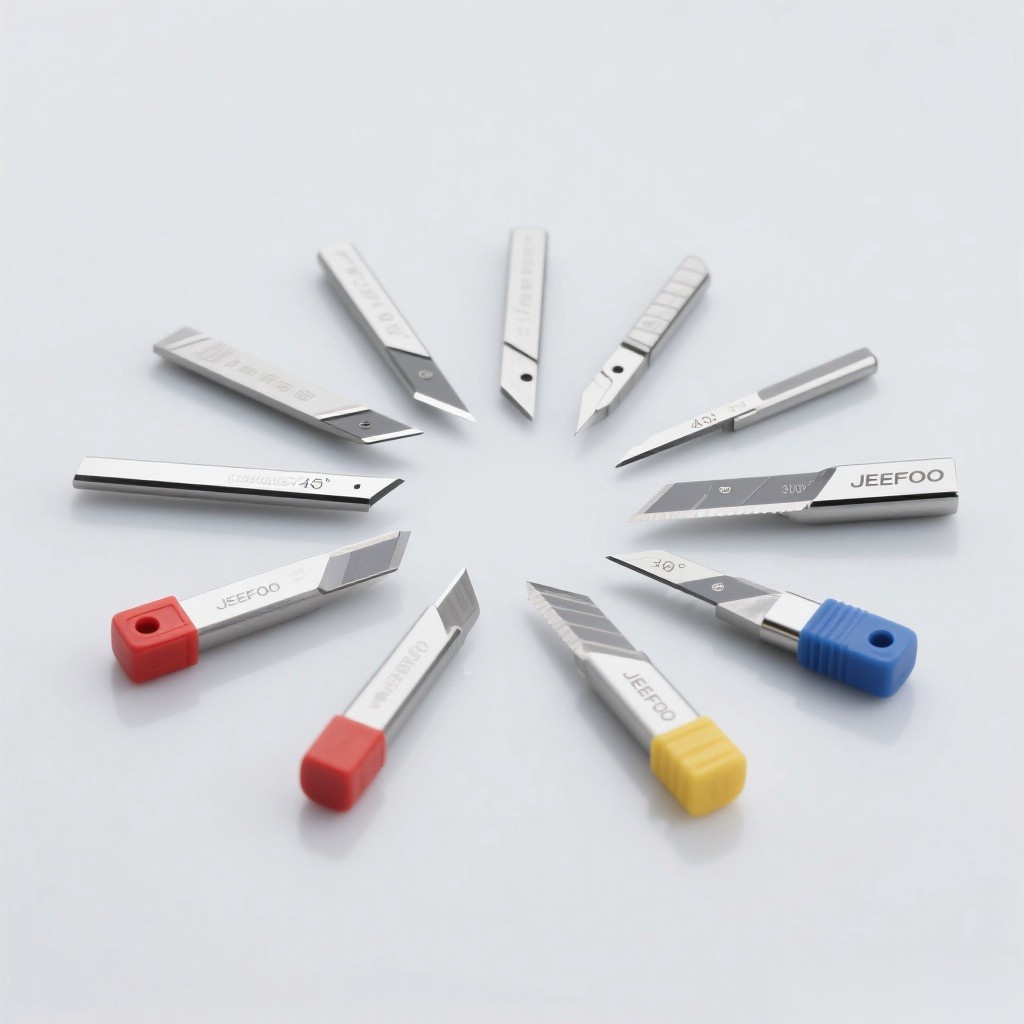
Cutting Tool Coating Selection Guide: quick answer
- TiN: general-purpose wear resistance and a useful visual wear indicator in moderate conditions.
- TiCN: higher hardness and abrasion resistance, often for steels and cast materials under controlled temperature.
- TiAlN/AlTiN: strong hot hardness and oxidation resistance for higher-temperature machining.
- AlCrN: thermal and oxidation resistance for demanding steel, stainless, and die/mold applications.
- DLC: low friction and anti-adhesion for many nonferrous metals, plastics, and composites.
- Diamond coating: exceptional abrasion resistance for graphite, composites, and selected nonferrous materials, but generally not ferrous cutting at high temperature.
1. Start with the workpiece material
Workpiece chemistry controls adhesion, diffusion, oxidation, and chemical wear. Aluminum may need a polished uncoated edge, DLC, or another anti-adhesion solution. Steels often benefit from heat-resistant nitride coatings. Graphite and fiber composites may justify diamond coating. Always check the coating supplier’s compatibility chart.
2. Match coating to cutting temperature
Dry or high-speed cutting can generate temperatures that exceed the useful range of some coatings. TiAlN-, AlTiN-, and AlCrN-type systems form protective oxide layers and are frequently selected for hotter operations. Low-friction coatings can be preferable when adhesion dominates and temperature is moderate.
3. Select the correct substrate first
A coating is thin and follows the substrate beneath it. Toughness, hardness, carbide grain size, cobalt content, HSS grade, and tool rigidity determine how well the edge supports the coating. Chipping from vibration or overload must be solved at the substrate, geometry, holder, or process level.
4. Consider edge preparation and coating thickness
The Cutting Tool Coating Selection Guide balances adhesion with sharpness. Honing can strengthen an edge and support coating, while excessive rounding increases cutting force. Thick coatings may improve wear life but can reduce edge sharpness and alter micro-geometry. Micro-tools and finishing cutters often need specialized thin coatings.
5. Match the coating process to the tool
PVD coatings are deposited at relatively moderate temperature and are common on carbide and HSS. CVD can provide strong coverage and thicker layers but may require higher deposition temperature. Diamond CVD requires compatible carbide chemistry and surface preparation. Tool dimensions and tolerances must allow for the process.
6. Plan coolant and lubrication strategy
Some coatings are optimized for dry cutting, others for lubricated or coolant-assisted machining. Intermittent coolant can create thermal cycling in hot operations. For aluminum and plastics, lubrication and polish may prevent built-up edge. Validate concentration, delivery, filtration, and chemical compatibility with the coating.
7. Diagnose the dominant failure mode
- Flank wear: consider hardness, abrasion resistance, speed, and engagement.
- Crater or diffusion wear: review hot hardness, chemistry, temperature, and coating stability.
- Built-up edge: prioritize low friction, polish, lubrication, and adequate chip thickness.
- Coating delamination: inspect substrate preparation, edge condition, impact, adhesion, and thermal cycling.
- Chipping: improve toughness, geometry, runout, rigidity, entry, and load before changing coating.
8. Validate with controlled production tests
Compare coatings with identical cutter geometry, substrate, holder, overhang, toolpath, workpiece batch, and parameters. Change one factor at a time. Measure tool life, wear type, dimensional drift, surface finish, burr, cycle time, energy use, and scrap rather than relying only on visual coating condition.
9. Calculate total cost per part
A higher coating price can be economical if it reduces tool changes, rework, downtime, or cycle time. Include recoating and regrinding limits, inspection, inventory, and process stability. The best coating delivers predictable acceptable parts, not simply the longest laboratory wear life.
Cutting Tool Coating Selection Guide checklist
- Identify workpiece grade, hardness, and chemistry.
- Classify heat, abrasion, adhesion, impact, and lubrication.
- Select substrate and edge preparation first.
- Shortlist coatings within the tool supplier’s limits.
- Keep geometry and process constant during comparison.
- Inspect wear under suitable magnification.
- Rank options by stable cost per accepted part.
- Review JeeFoo coated-tool resources for application-specific options.
Safe handling and service
Coated edges remain sharp and can chip if mishandled. Store tools separately, use compatible cleaning methods, and isolate the machine before installation or maintenance. Follow the machine procedure and the OSHA hazardous-energy guidance during servicing.
Frequently asked questions
Is a coated tool always better than an uncoated tool?
No. Very sharp polished uncoated carbide may outperform a poorly matched coating in some aluminum, plastic, or micro-machining applications.
Can TiAlN be used for aluminum?
It is often not the first choice because aluminum-containing coatings can encourage adhesion in some applications. Polished carbide, DLC, or a supplier-recommended nonferrous coating may work better.
Can a worn tool simply be recoated?
Only after inspection and, when appropriate, stripping and regrinding. Reconditioning changes edge geometry and diameter, so the coating provider must verify feasibility and tolerances.
Conclusion
Use the Cutting Tool Coating Selection Guide to connect workpiece chemistry, temperature, substrate, edge preparation, coolant, and failure mode. Controlled tests and cost-per-part data turn coating selection from a color choice into an engineering decision.


发表回复
要发表评论,您必须先登录。