
A single-crystal diamond drill bit is a precision tool for selected nonferrous, optical, semiconductor, ceramic, composite, and other hard or abrasive materials when low edge roughness and dimensional control are essential. It is not a general-purpose steel drill. This Single Crystal Diamond Drill Bit Guide explains how to select, set up, and protect the tool.
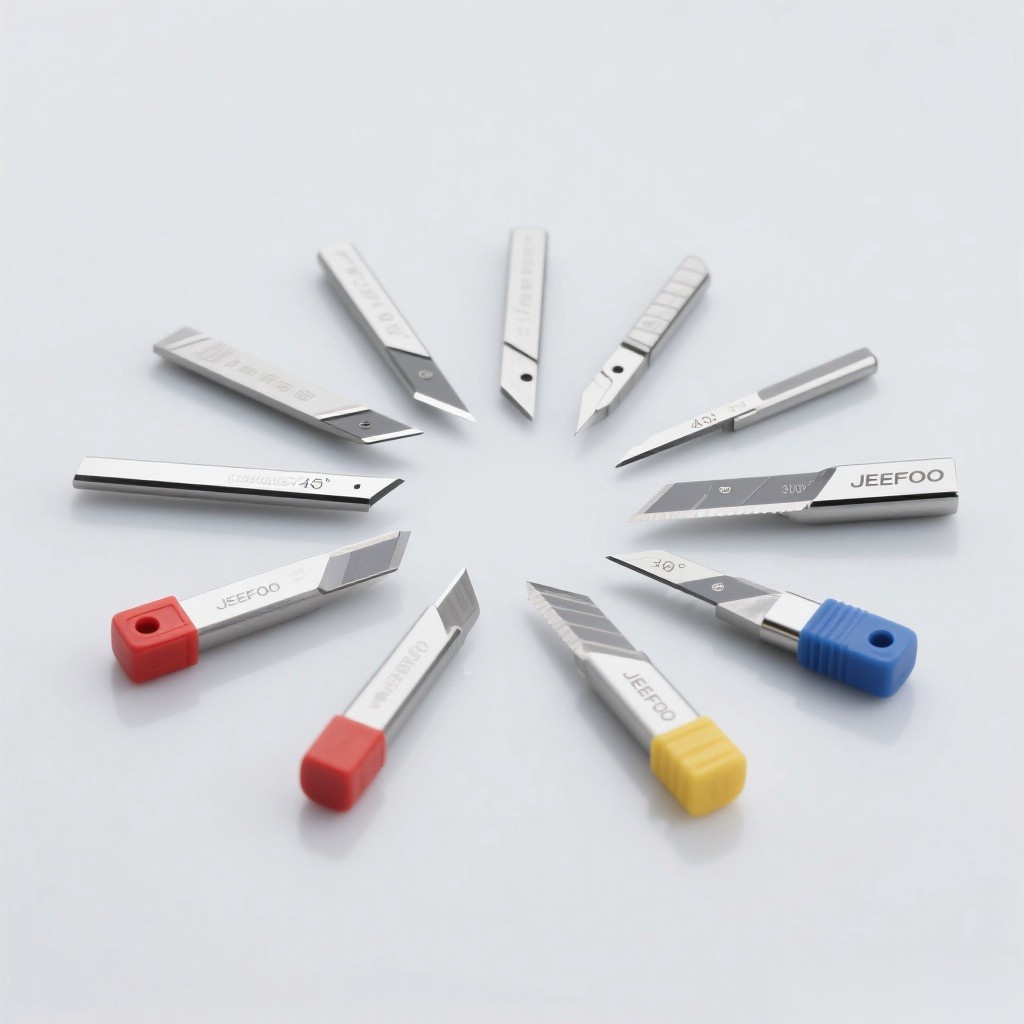
Single Crystal Diamond Drill Bit Guide: quick answer
- Best fit: ultra-precision or micro-hole work in compatible nonferrous and nonmetal materials.
- Key advantage: a very sharp, homogeneous diamond edge can support low burr and fine surface quality.
- Main limitation: brittleness and chemical wear risk in ferrous materials at elevated cutting temperature.
- Setup priority: minimize spindle and holder runout, vibration, and entry shock.
- Process priority: control feed, pecking, chip or swarf removal, cooling, and breakthrough support.
1. Confirm the tool is truly single-crystal diamond
Single-crystal diamond differs from PCD, diamond-coated carbide, and electroplated diamond tools. It can provide a continuous, exceptionally sharp edge, but geometry, crystal orientation, bonding method, repairability, and application range differ. Request a tool drawing and material declaration from the supplier.
2. Verify workpiece compatibility
Potential applications include selected aluminum and copper alloys, optical materials, semiconductor materials, graphite, ceramics, plastics, and composites. Suitability depends on composition, filler, hardness, brittleness, thermal behavior, and hole requirements. Diamond can react with iron at high temperature, so conventional drilling of steel generally needs another tool material.
3. Define hole requirements precisely
Specify diameter, depth, aspect ratio, cylindricity, positional tolerance, entry and exit chipping, burr, wall finish, and breakthrough condition. Micro-holes may need inspection by microscopy, optical metrology, air gauging, or another method matched to the size and tolerance.
4. Select point and flute geometry
The Single Crystal Diamond Drill Bit Guide treats point angle, lip geometry, chisel or web design, relief, flute form, margin, and edge radius as a system. Brittle materials need controlled entry and reduced breakout; ductile nonferrous materials need sharp edges and reliable chip evacuation.
5. Minimize runout and tool overhang
Clean the spindle, holder, collet, and shank. Use the intended holder, minimum practical overhang, and a machine with suitable bearing condition. Measure runout close to the cutting edge. Even small eccentricity can overload one lip, enlarge the hole, and chip a fragile diamond edge.
6. Set speed, feed, and peck strategy
Begin with the manufacturer’s data for the exact tool and material. Too little feed can cause rubbing; too much feed or rapid entry can shock the edge. Deep or micro drilling may need controlled pecking or periodic retraction for swarf removal, but unnecessary pecks can add entry impacts and cycle variation.
7. Control cooling and debris removal
Use coolant, minimum-quantity lubrication, air, vacuum, or another compatible method specified for the workpiece and machine. Graphite and composite dust require effective extraction; brittle swarf can scratch the hole; nonferrous chips can adhere. Prevent thermal shock by using a stable, validated coolant strategy.
8. Protect entry and breakthrough
Use a supported workpiece, suitable backing material, controlled approach, and reduced breakthrough load when needed. Avoid unsupported thin sections and abrupt interrupted entry. For brittle materials, test whether drilling from both sides, laser preconditioning, or another specialist method is required.
9. Inspect wear and handle safely
Inspect under suitable magnification for micro-chipping, edge rounding, adhesion, bond damage, and shank marks. Store the bit in an individual protective container and never let the edge contact other tools. Isolate the machine during service; follow the OSHA hazardous-energy guidance and the machine procedure.
Single Crystal Diamond Drill Bit Guide troubleshooting
- Oversize hole: inspect runout, vibration, lip geometry, holder, and spindle.
- Entry chipping: review point geometry, support, alignment, and approach rate.
- Exit breakout: add backing or reduce breakthrough load.
- Rapid edge failure: check material compatibility, shock, heat, runout, and handling.
- Poor wall finish: inspect edge condition, debris evacuation, feed, coolant, and workpiece stability.
Validation checklist
- Verify diamond type and tool drawing.
- Confirm workpiece chemistry and hole specification.
- Inspect spindle, holder, overhang, and runout.
- Use supplier speed, feed, peck, and cooling data.
- Support entry and breakthrough surfaces.
- Measure diameter, position, wall finish, burr, and chipping.
- Record tool life and cost per accepted hole.
- Review JeeFoo diamond-tool resources for compatible options.
Frequently asked questions
Can single-crystal diamond drill steel?
It is generally unsuitable for conventional steel drilling because diamond can chemically wear against iron at elevated temperature. CBN, carbide, or another grade may be appropriate.
Is it the same as a diamond-coated drill?
No. A single-crystal tool uses one diamond crystal at the cutting edge, while a coated drill has a deposited diamond film on a substrate. Edge sharpness, toughness, geometry, and service options differ.
When should the bit be replaced?
Replace or send it for specialist service when hole size, wall finish, chipping, spindle load, or microscopic edge condition reaches the documented process limit.
Conclusion
Use this Single Crystal Diamond Drill Bit Guide to verify the diamond type and workpiece first, then control geometry, runout, parameters, debris, cooling, and breakthrough. Precision validation is essential because the tool is valuable, sharp, and application specific.


发表回复
要发表评论,您必须先登录。