
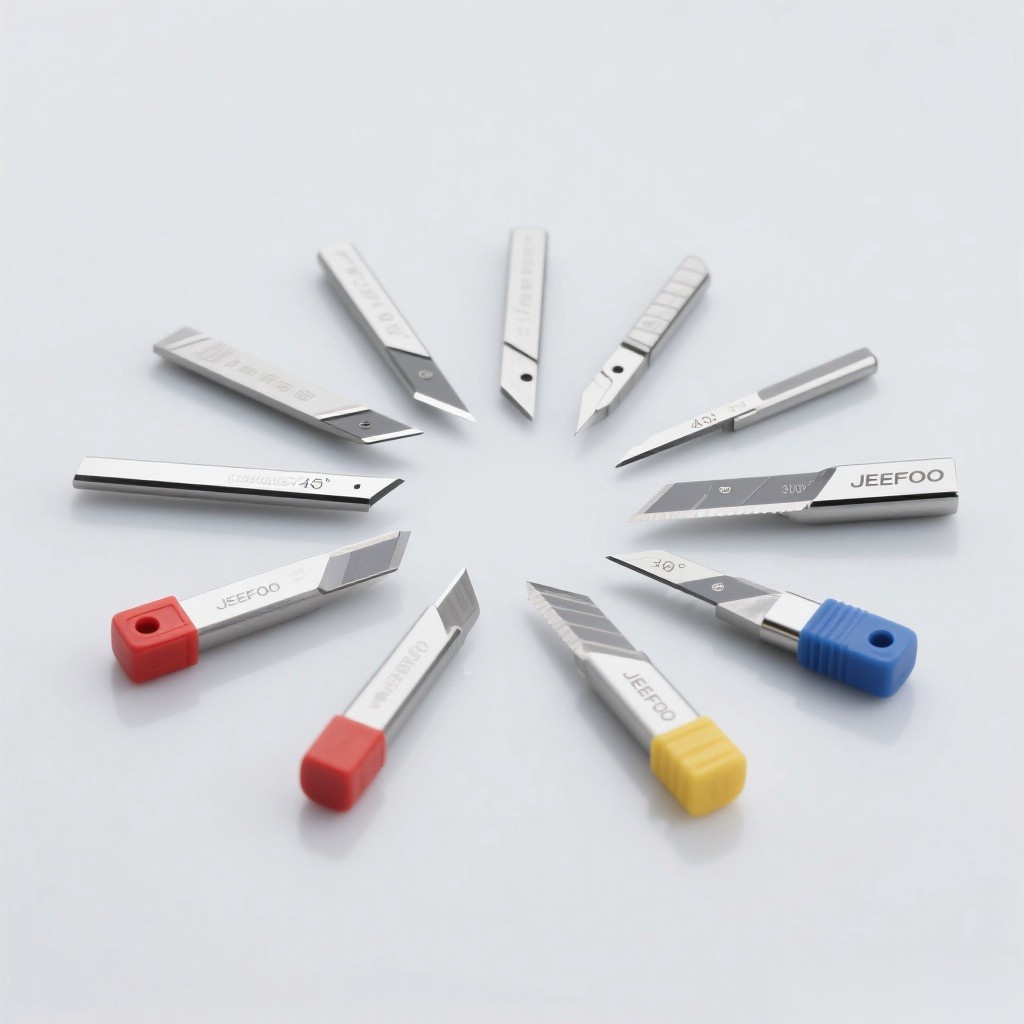
A diamond slotting knife is best for abrasive nonferrous and nonmetal materials when long edge life, narrow kerf, and stable groove quality matter. It is not a universal solution: PCD or diamond-coated tools are generally unsuitable for conventional high-temperature cutting of ferrous metals. This Diamond Slotting Knife Guide explains selection and process control.
Diamond Slotting Knife Guide: quick answer
- Best candidates: aluminum alloys, copper alloys, graphite, carbon-fiber composites, glass-fiber composites, plastics, laminates, and other abrasive nonferrous materials.
- Choose PCD: when edge life, finish, and dimensional stability justify a brazed diamond edge.
- Choose diamond coating: for complex carbide geometry or abrasive composites when coating adhesion and edge radius suit the cut.
- Avoid assumptions: workpiece chemistry, binder, filler, heat, machine rigidity, and coolant can change the result.
- Validate: kerf width, depth, burr, delamination, edge wear, and cost per groove.
1. Identify the diamond tool type
PCD tools use a sintered diamond layer bonded to a carbide support and commonly provide a sharp, durable cutting edge. CVD diamond coatings deposit a diamond film on a suitable carbide substrate. Monocrystalline diamond can produce exceptionally fine edges in specialized precision work. These types differ in toughness, geometry, edge radius, repair options, and cost.
2. Confirm workpiece compatibility
Diamond excels against abrasive particles and many nonferrous materials. At elevated cutting temperatures, diamond can react with iron, so conventional steel machining usually calls for carbide, ceramic, or CBN instead. For composites, verify fiber type, resin, layup, thickness, and allowable delamination before choosing geometry.
3. Define groove dimensions and tolerance
Specify width, depth, corner radius, bottom profile, surface finish, runout limit, and allowable burr or delamination. Select cutter diameter and edge width for the feature, while accounting for tool runout, deflection, spindle growth, and expected wear. A narrow, deep groove may require staged passes or specialized clearance.
4. Match edge geometry to the material
The Diamond Slotting Knife Guide prioritizes a sharp, low-friction edge for aluminum and plastics, controlled edge strength for interrupted or filled materials, and delamination-resistant geometry for laminates. Rake, relief, edge radius, tooth form, chip space, and side clearance must work together.
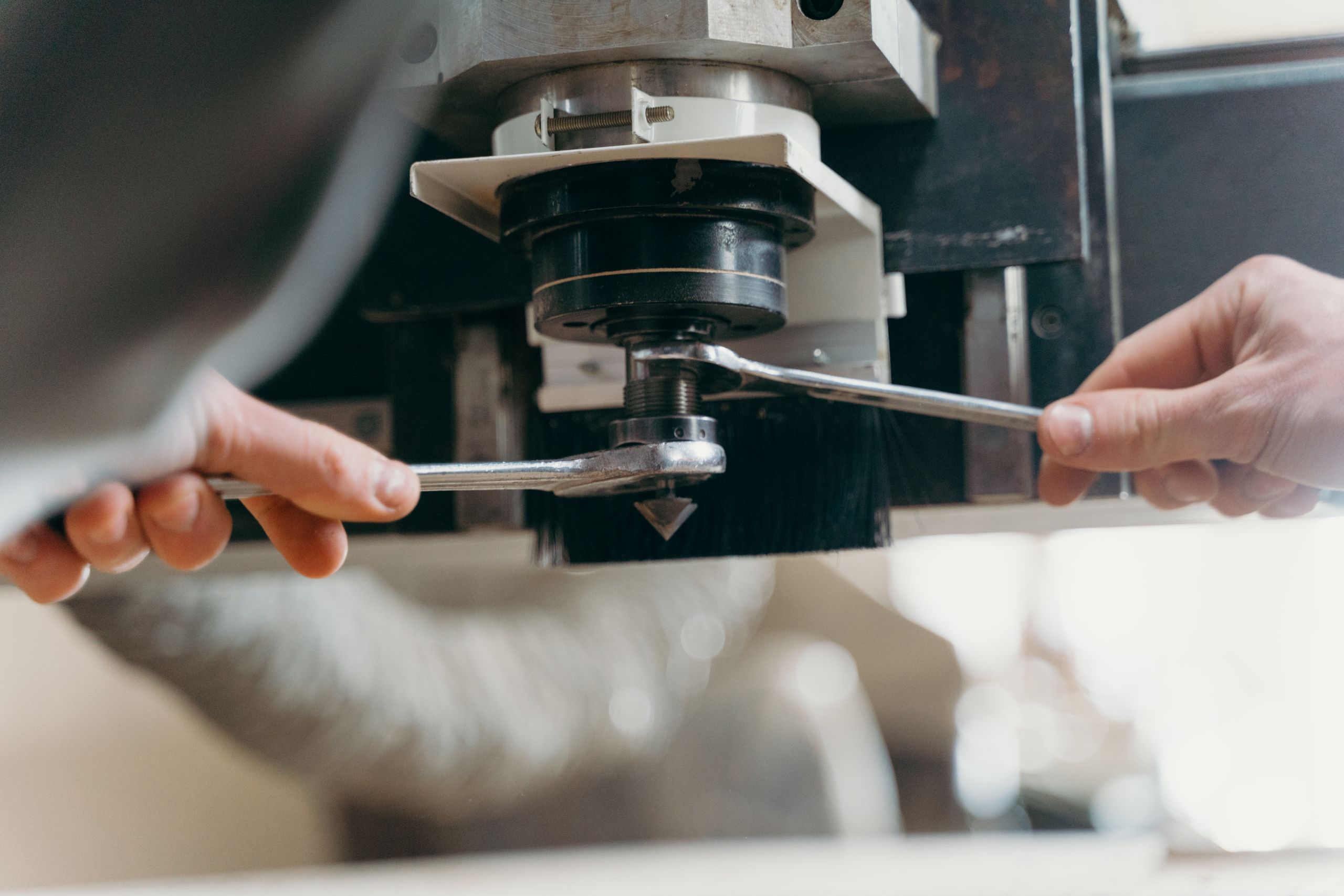
5. Control spindle and holder runout
Diamond edges are wear resistant but can be sensitive to impact and uneven loading. Clean the spindle taper, holder, collet, arbor, and tool interfaces. Measure runout close to the cutting edge and compare it with supplier limits. Excess runout makes one edge carry most of the load and widens the groove.
6. Set speed, feed, and engagement
Begin with tool-supplier data for the exact workpiece. Maintain sufficient chip thickness to cut rather than rub, while respecting edge load and machine power. Reduce shock with a suitable entry method, stable workholding, and controlled engagement. Change one variable at a time during optimization.
7. Plan chip, dust, and coolant control
Aluminum chips can weld to the edge, composite dust can be hazardous, and graphite dust can infiltrate equipment. Use compatible extraction, air, mist, or coolant based on the tool and workpiece. Follow the material safety data and protect the machine, operator, and environment from airborne dust and hot debris.
8. Monitor wear and groove quality
- Groove width drift: inspect runout, edge wear, thermal effects, and spindle condition.
- Burr or fuzzy edge: check sharpness, feed, support, and workpiece variation.
- Composite delamination: review geometry, entry, support, direction, and depth per pass.
- Built-up edge: improve chip evacuation, lubrication, polish, and chip thickness.
- Edge chipping: check impact, interrupted engagement, vibration, handling, and collisions.
9. Handle and service the tool safely
Protect the cutting edge from contact, store tools separately, and use non-damaging cleaning methods. Isolate the machine before installation, inspection, jam clearing, or maintenance. Follow the machine procedure and the OSHA hazardous-energy guidance when servicing equipment.
Diamond Slotting Knife Guide validation checklist
- Identify tool type: PCD, diamond coated, or monocrystalline.
- Verify workpiece chemistry, filler, fiber, and resin.
- Define groove width, depth, radius, finish, and tolerance.
- Confirm holder, overhang, balance, and runout.
- Use supplier speed, feed, entry, and coolant guidance.
- Inspect chips, dust, sound, load, burr, and delamination.
- Record tool life and cost per acceptable groove.
- Review JeeFoo slotting-tool resources for application-specific options.
Frequently asked questions
Can a diamond slotting knife cut steel?
It is generally not recommended for conventional high-temperature steel cutting because diamond can react with iron. Consult the tool supplier for unusual low-temperature or specialized processes.
Is PCD the same as diamond coating?
No. PCD is a sintered diamond layer or segment bonded to a support, while a diamond coating is a deposited film on a substrate. Their edge geometry, repairability, and applications differ.
When should the tool be replaced or serviced?
Act when groove width, burr, delamination, load, finish, or edge condition reaches the documented limit. Diamond tools may require specialist inspection and reconditioning.
Conclusion
Use the Diamond Slotting Knife Guide to match tool type, workpiece, geometry, holder accuracy, parameters, and chip or dust control. A controlled validation test prevents the costly mistake of treating diamond as a universal cutting material.

发表回复
要发表评论,您必须先登录。