
Safe milling starts before the spindle turns: identify the tool and workpiece, inspect the cutter and holder, secure the setup, verify speed and feed, install guarding, control chips, and keep people outside the hazard zone. Stop immediately for unusual noise, vibration, heat, smell, or movement. This Milling Cutter Safety Precautions Guide summarizes nine essential rules.
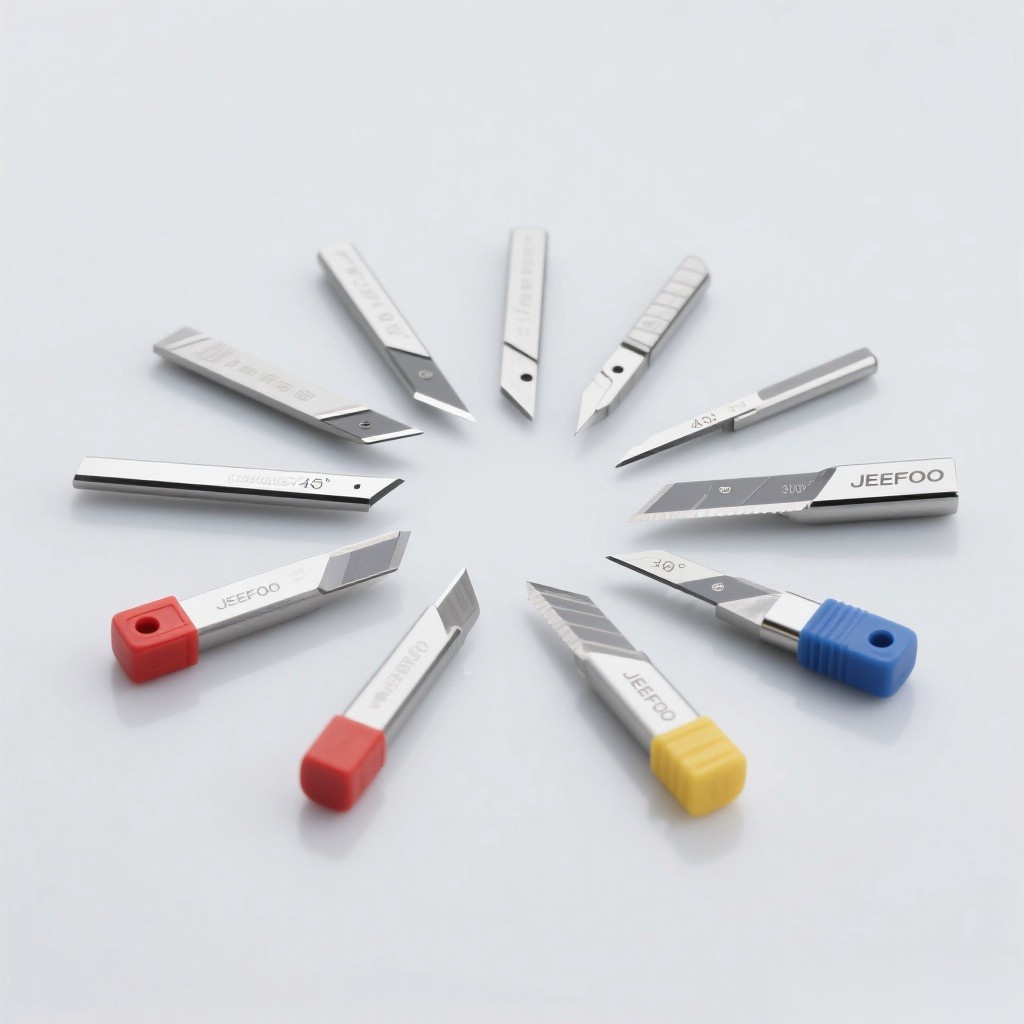
Milling Cutter Safety Precautions Guide: quick checklist
- Use only trained, authorized operators.
- Wear required eye, hearing, and task-specific protection; secure hair, jewelry, and loose clothing.
- Inspect cutter, holder, spindle, fixture, workpiece, and guards.
- Confirm tool limits, spindle direction, speed, feed, engagement, and coolant.
- Keep hands away from rotating tools and remove chips with approved tools only after motion stops.
- Isolate hazardous energy before setup, cleaning, adjustment, or maintenance when required.
1. Use the correct cutter for the operation
Confirm cutter type, diameter, flute count, substrate, coating, rotation, shank, flute length, maximum speed, and intended workpiece. Do not use an end mill for an operation or material outside its supplier limits. A mismatched tool can overheat, chip, pull out, or break even when it fits the holder.
2. Inspect the cutter before installation
Under adequate lighting, look for chipped edges, cracks, corrosion, bent shanks, worn coatings, impact marks, built-up material, or improper regrinding. Clean the shank without damaging it. Remove suspect cutters from service and label them so they cannot return to production accidentally.
3. Install the tool and holder correctly
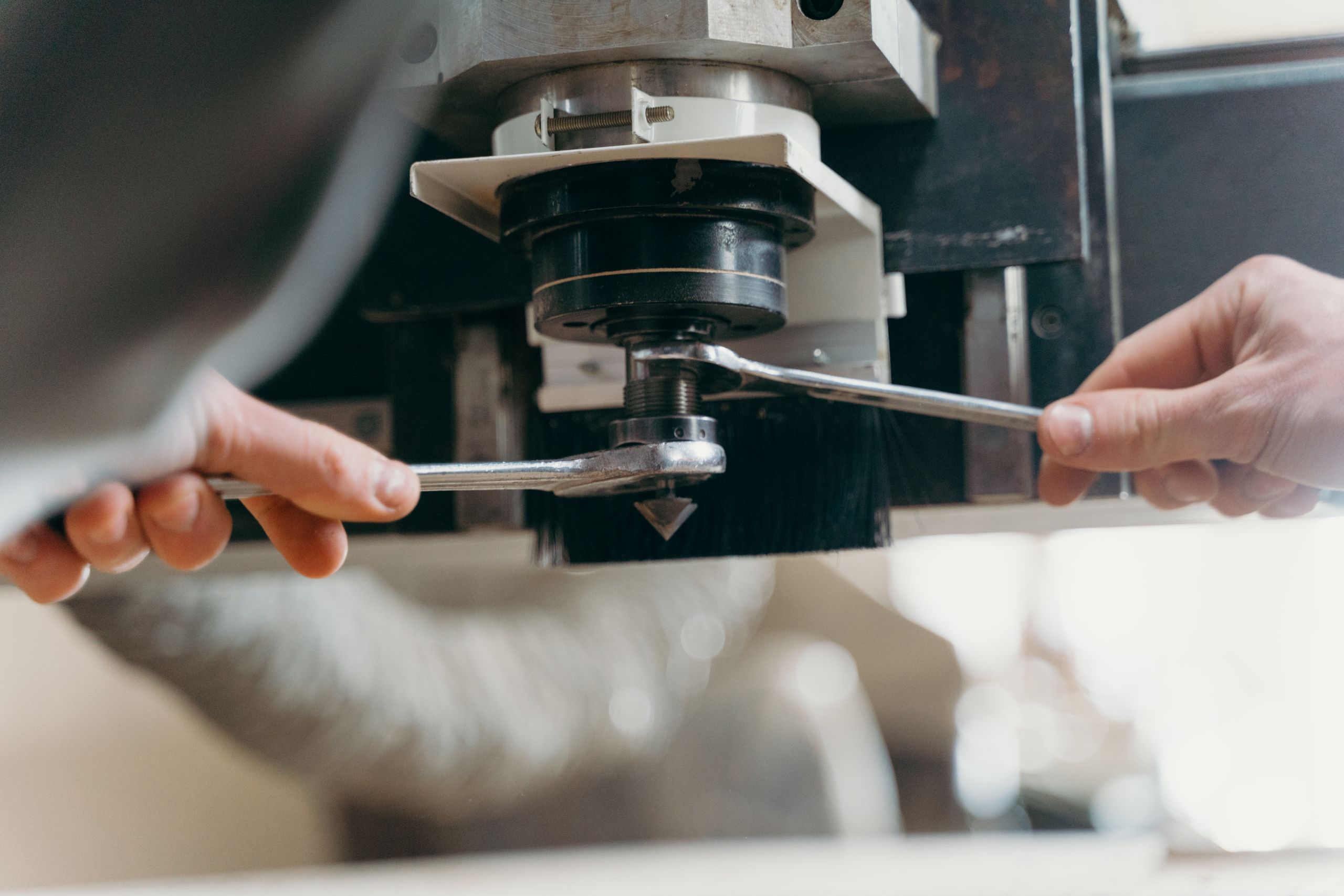
Clean the spindle taper, holder, collet, nut, and shank. Use the correct collet range, insertion depth, tightening method, and torque. Minimize overhang while keeping the cutting edge and flute transition clear. Measure runout near the cutting end when accuracy or tool life is critical.
4. Secure the workpiece and fixture
The fixture must resist cutting force in every programmed direction. Check clamps, vacuum, stops, fasteners, sacrificial boards, and clearance below the cut. Verify that no clamp or fixture component enters the toolpath. Never hold a milling workpiece by hand.
5. Verify speed, feed, and toolpath
The Milling Cutter Safety Precautions Guide requires a documented starting point from the tool or machine supplier. Confirm spindle direction, maximum RPM, chip load, axial and radial engagement, ramp or plunge method, tool number, work offset, and clearance moves. Dry-run or single-block a new program when appropriate.
6. Use guarding and control the work zone
Close machine doors and use intact guards, interlocks, chip shields, and extraction systems. Keep bystanders away from the ejection zone. Never defeat an interlock or open an enclosure while the cutter is moving. Transparent panels must be maintained according to the machine manufacturer’s instructions.
7. Control chips, dust, coolant, and fire risk
Use compatible chip evacuation, dust extraction, air, mist, or coolant. Do not clear chips by hand or direct compressed air toward people. Fine combustible dust, hot chips, reactive metals, and some coolants require specific fire, ventilation, and housekeeping controls. Follow the material safety data and facility procedure.
8. Monitor warning signs during cutting
- Chatter or hammering: stop and inspect rigidity, runout, engagement, and damage.
- Rising spindle load: check chip evacuation, wear, feed, depth, and material variation.
- Smoke or discoloration: review heat, rubbing, coolant, dust extraction, and fire risk.
- Workpiece movement: stop before re-clamping; never reach into a moving machine.
- Tool pullout or dimension drift: inspect holder, torque, overhang, collision, and edge condition.
9. Isolate energy before service
Tool changes, spindle service, jam clearing, cleaning, and maintenance may expose electrical, pneumatic, hydraulic, gravitational, or stored mechanical energy. Follow the employer’s energy-control procedure and the OSHA hazardous-energy guidance. Verify zero-energy state when lockout/tagout applies.
Milling Cutter Safety Precautions Guide setup record
- Record cutter identification and condition.
- Confirm holder, insertion, torque, overhang, and runout.
- Verify workholding and collision clearance.
- Record material, speed, feed, engagement, and coolant.
- Test the program with approved controls.
- Define stop conditions and tool-change limits.
- Document inspection and operator authorization.
- Review JeeFoo milling-cutter resources for application-specific tooling.
Frequently asked questions
Can chips be removed while the spindle is slowing down?
No. Wait until all motion stops and use an approved brush, hook, vacuum, or chip tool appropriate to the machine and material. Follow the site’s isolation procedure.
What should be done after a cutter collision?
Stop and isolate the machine as required. Quarantine the cutter, then inspect the holder, spindle, collet, fixture, workpiece, offsets, and program before restarting.
Is personal protective equipment enough?
No. PPE is one layer. The preferred controls include correct tooling, guarding, enclosure, interlocks, extraction, safe procedures, training, inspection, and energy isolation.
Conclusion
Use this Milling Cutter Safety Precautions Guide as a pre-start and production checklist. Correct tooling, sound holders, rigid workholding, verified parameters, guarding, chip control, monitoring, and energy isolation reduce avoidable cutter failures and operator exposure.

发表回复
要发表评论,您必须先登录。