
The best milling cutter material is the one that balances hot hardness, toughness, wear resistance, coating compatibility, machine rigidity, and cost for the actual workpiece. Carbide is the default for most production milling, high-speed steel suits lower-speed or interrupted work, and advanced ceramics or superhard tools serve demanding high-temperature or abrasive applications. This Milling Cutter Materials Guide explains how to choose with fewer trials.
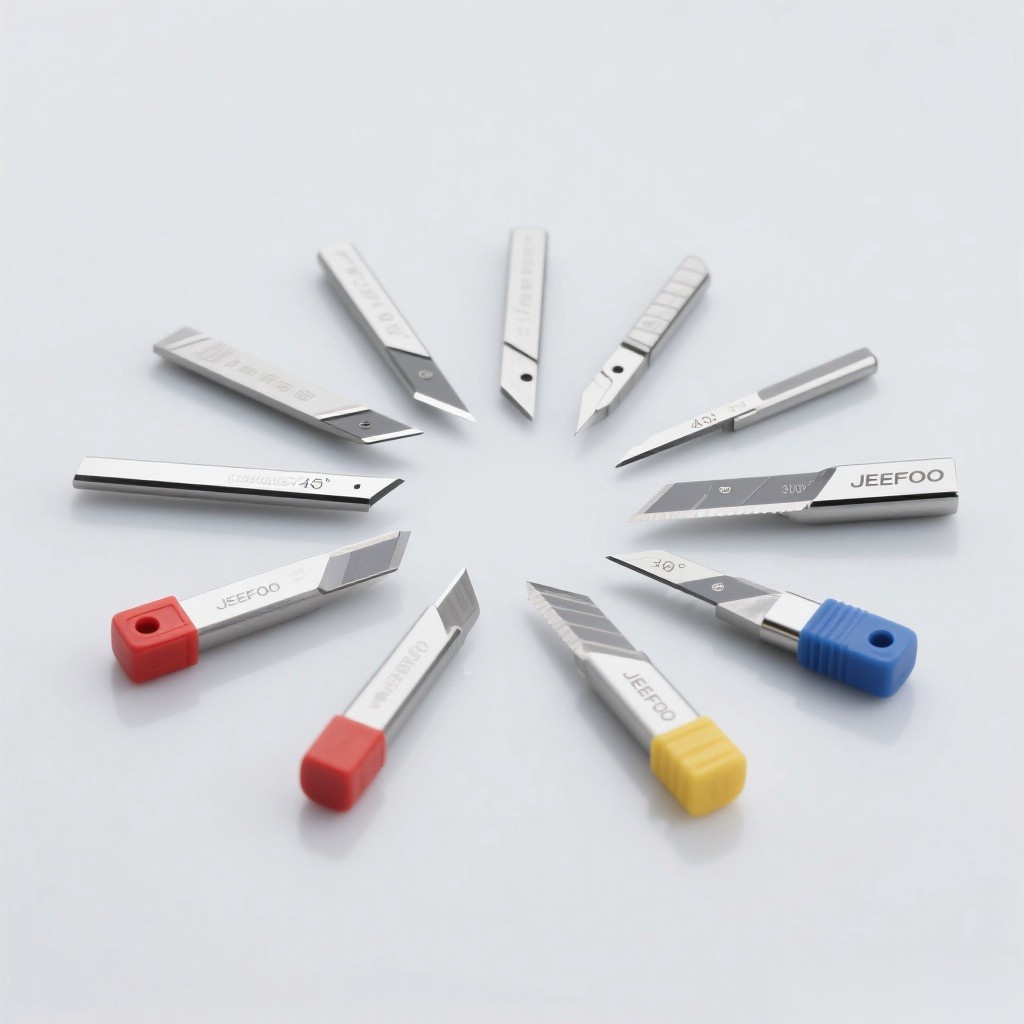
Milling Cutter Materials Guide: quick answer
- High-speed steel (HSS): economical, tough, easy to regrind, and useful at moderate cutting speeds.
- Cobalt HSS: improved hot hardness for tougher alloys and longer production runs.
- Solid carbide: high stiffness, wear resistance, and speed for rigid CNC machining.
- Carbide inserts: replaceable edges and flexible grades for larger diameters and production milling.
- Cermet: strong finish and chemical stability in stable finishing cuts.
- Ceramic: exceptional hot hardness for high-speed machining of cast iron and heat-resistant alloys under controlled conditions.
- PCD: outstanding abrasion resistance in aluminum, composites, graphite, and nonferrous materials.
- CBN: suited to hardened ferrous materials where heat and edge stability dominate.
1. Start with the workpiece material
This Milling Cutter Materials Guide starts with the workpiece. Its chemistry, hardness, abrasiveness, thermal conductivity, and tendency to work-harden determine the required cutting-edge properties. Aluminum often benefits from sharp, polished carbide or PCD. General steels commonly use coated carbide. Stainless steel needs toughness, positive geometry, and heat control. Hardened steel may justify CBN, while abrasive composites favor diamond-based tooling.
2. Match hardness with toughness
Hard materials resist flank wear but may chip under vibration or interrupted engagement. Tougher grades survive impact but can wear faster. Select a tougher substrate for unstable fixtures, long overhangs, interrupted cuts, or older machines; select a harder, more wear-resistant grade for stable continuous production.
3. Consider cutting speed and heat
HSS loses hardness sooner as temperature rises, whereas carbide, ceramic, CBN, and PCD retain useful properties at higher cutting speeds. Do not select material by speed alone: spindle power, runout, coolant strategy, engagement, and chip evacuation must support the planned parameters.
4. Choose the substrate before the coating
A coating cannot compensate for the wrong substrate. First choose the required strength and toughness, then select a coating for heat, adhesion, oxidation, or abrasive wear. TiAlN-type coatings often support hot cutting, while polished uncoated carbide or suitable low-friction coatings can reduce built-up edge in nonferrous work.
5. Account for machine and setup rigidity
Solid carbide performs best with low runout and a rigid spindle, holder, fixture, and workpiece. If vibration is unavoidable, a tougher material and positive geometry may be more reliable. Measure holder runout, minimize overhang, and verify clamping before blaming the cutter grade.
6. Match material to roughing or finishing
Roughing needs edge strength, chip space, and resistance to impact. Finishing rewards dimensional stability, a sharp edge, and resistance to notch or crater wear. One cutter material rarely provides the lowest total cost for both operations, so separate roughing and finishing tools when volume justifies it.
7. Evaluate tool life by cost per part
The Milling Cutter Materials Guide evaluates total cost, not purchase price alone. Track parts per edge, cycle time, tool-change time, scrap, regrinding, and machine downtime. A more expensive carbide, PCD, or CBN cutter can be economical if it produces stable dimensions and reduces interruptions.
8. Use the Milling Cutter Materials Guide in a controlled test
- Record workpiece grade, hardness, cutter diameter, teeth, holder, and overhang.
- Use the supplier’s starting speed, feed, engagement, and coolant guidance.
- Change only one variable at a time.
- Inspect flank wear, chipping, built-up edge, burr, finish, and dimensional drift.
- Define a repeatable tool-change limit before production release.
9. Apply safe machining controls
Use guarding, correct clamping, chip control, eye protection, and documented lockout procedures for setup or maintenance. The OSHA hazardous-energy guidance explains why energy isolation matters during servicing. Always follow the machine and tool manufacturer’s limits.
Practical selection checklist
- Confirm the exact workpiece grade and hardness.
- Classify the cut as stable, interrupted, abrasive, or heat intensive.
- Check spindle speed, power, runout, holder, and overhang.
- Choose substrate, geometry, and coating as one system.
- Validate tool life with cost-per-part data.
- Consult JeeFoo cutting-tool resources for application-specific options.
Frequently asked questions
Is carbide always better than HSS?
No. Carbide usually supports higher speed and wear resistance, but HSS is tougher, less expensive, and more forgiving in low-speed, interrupted, or less-rigid applications.
When should PCD be used?
PCD is valuable for abrasive nonferrous materials such as high-silicon aluminum, composites, and graphite. It is generally unsuitable for conventional cutting of ferrous materials at high temperature.
How do coatings affect cutter selection?
Coatings can reduce friction, slow diffusion or oxidation, and improve wear resistance, but their benefit depends on the substrate, workpiece, temperature, and edge preparation.
Conclusion
Use this Milling Cutter Materials Guide to compare the workpiece, cut stability, heat, rigidity, operation type, and total cost before selecting HSS, carbide, cermet, ceramic, PCD, or CBN. A controlled test with documented wear criteria turns material selection into a repeatable process.


发表回复
要发表评论,您必须先登录。