
A round knife for metal cutting is a circular blade used for slitting, trimming, scoring, or shearing sheet, strip, foil, and other continuous metal products. The correct blade must match the material, thickness, slitting method, diameter, bore, edge profile, hardness, clearance, overlap, and machine speed. This Round Knife for Metal Cutting Guide explains the key checks.
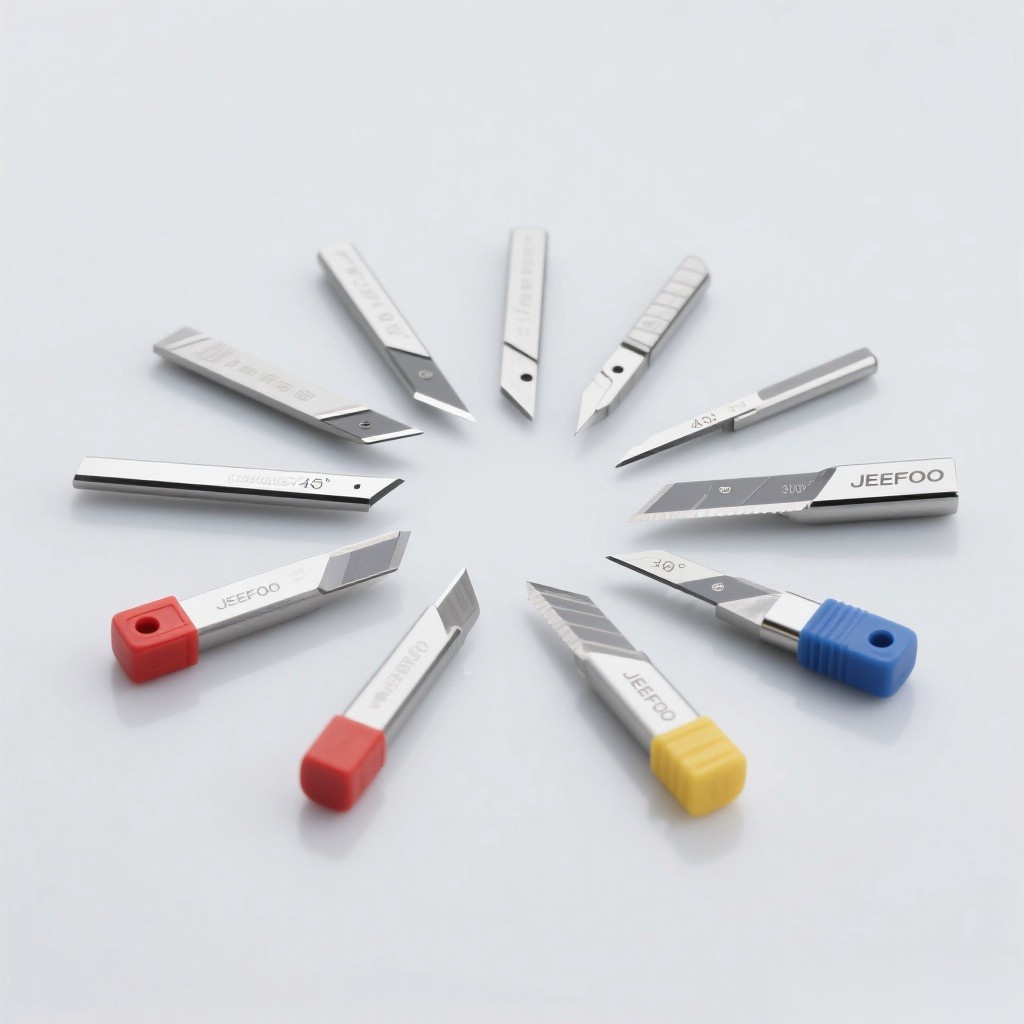
What Is a Round Metal-Cutting Knife?
It is a precision circular blade mounted on a shaft or arbor. Depending on the machine, it may work against another knife, an anvil, a groove, or a supported surface. Common processes include shear slitting, score cutting, crush cutting, trimming, and cut-to-length operations. Each process needs a different edge and setup.
Round Knife for Metal Cutting Guide: 9 Key Tips
- Identify the material. Specify alloy, temper, hardness, coating, tensile strength, and surface sensitivity.
- Measure thickness. Clearance and edge geometry depend strongly on actual strip thickness.
- Choose the cutting method. Shear, score, crush, and trimming systems use different knife arrangements.
- Match dimensions. Confirm outside diameter, bore, thickness, keyway, bolt pattern, and hub or spacer system.
- Select edge profile. Single bevel, double bevel, hollow ground, flat, or special profiles serve different cuts.
- Set clearance and overlap. Follow machine and knife supplier data for the exact material.
- Control runout. Check blade, arbor, spacers, bearings, and side wobble.
- Verify speed rating. Blade, arbor, and machine limits must all support the operating speed.
- Inspect cut quality. Monitor burr, camber, edge wave, dust, heat, and dimensional width.
Common Slitting Methods
- Shear slitting: paired upper and lower knives use controlled overlap and side clearance.
- Score slitting: a blade presses material against a hardened roll or anvil.
- Crush cutting: high force separates material against a supporting surface.
- Trim cutting: circular knives remove edge scrap to control final width.
- Rotary cut-off: synchronized blades cut moving strip or profiles to length.
Blade Material and Hardness
The Round Knife for Metal Cutting Guide considers tool steel, high-speed steel, powder-metallurgy grades, carbide, and special alloys. Higher hardness can improve wear resistance but may reduce toughness. Select blade material based on workpiece hardness, abrasiveness, impact, edge profile, regrinding policy, and production volume.
Diameter, Bore, Thickness, and Tolerance
Outside diameter controls contact geometry and surface speed. Bore and keyway must fit the arbor without looseness or forced assembly. Blade thickness, side-face parallelism, flatness, and concentricity affect cut width and stability. Use the machine drawing and measured spacer stack rather than relying on nominal dimensions alone.
Clearance, Overlap, and Side Load
Clearance that is too small can increase force, heat, and edge chipping; too much clearance can increase burr, rollover, and distortion. Excessive overlap raises side load and wear. Use starting values from the equipment or blade supplier and refine with controlled trials for the actual material batch.
Runout and Arbor Setup
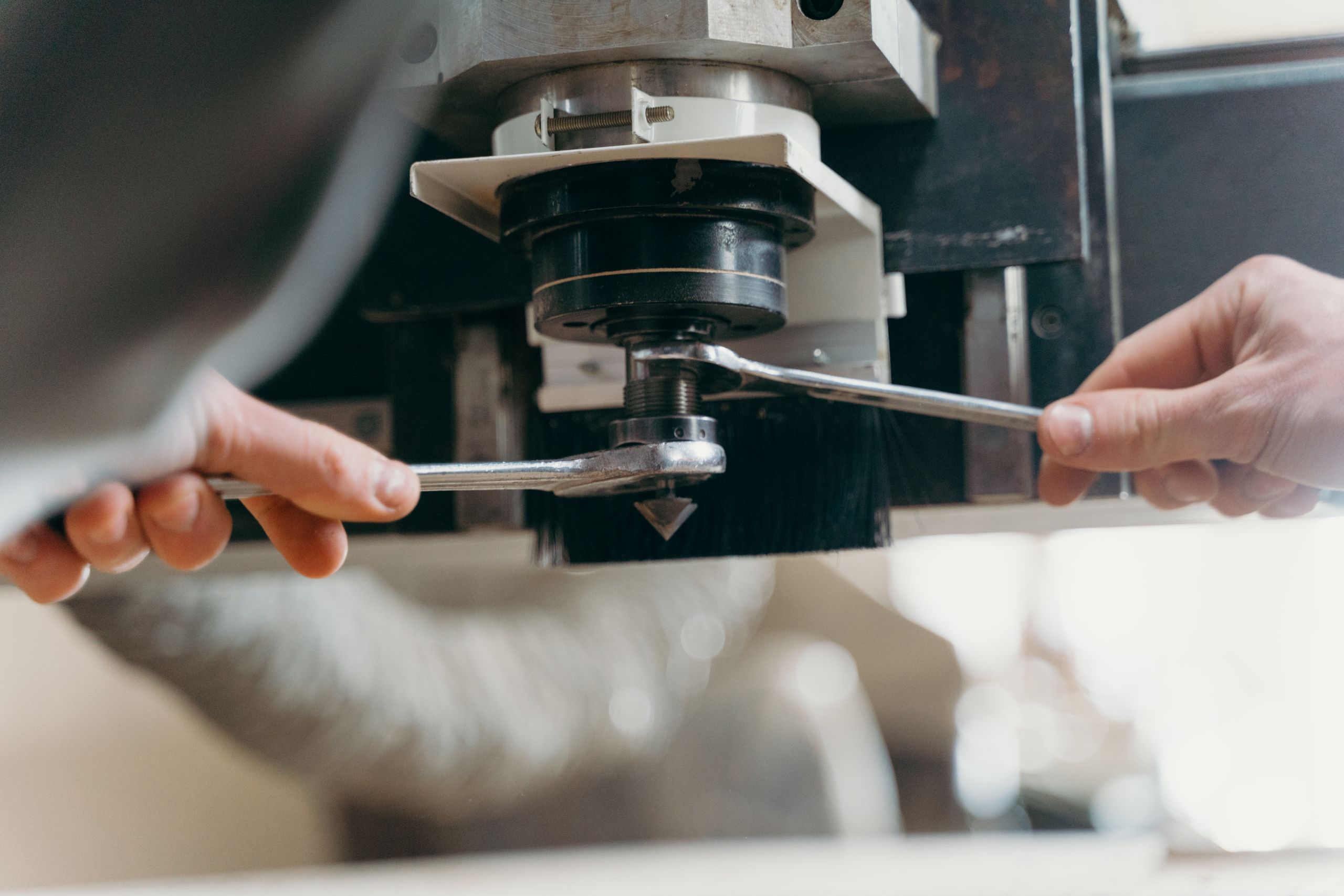
Clean the blade faces, spacers, arbor, shoulders, and clamping surfaces. Burrs or debris can tilt the blade. Measure radial runout and axial wobble, inspect bearings, and tighten the assembly evenly to the specified torque. Never hammer a precision knife onto the shaft.
Cut Quality Problems
- Excessive burr: correct clearance, sharpness, overlap, edge profile, and blade alignment.
- Edge wave or camber: inspect side load, tension, knife alignment, strip support, and spacer accuracy.
- Chipped blade: reduce impact, check hardness and toughness, correct overlap, and remove arbor runout.
- Width variation: verify spacer stack, blade movement, bearing play, strip tracking, and thermal growth.
- Heat discoloration: correct rubbing, speed, lubrication, dull edges, or excessive side force.
- Scratches: clean contact surfaces and control chips, debris, guides, and blade side contact.
Maintenance and Regrinding
Inspect edge condition and blade faces at defined intervals. Clean and protect knives from corrosion, store them vertically or in fitted cases, and label matched sets. Regrinding must restore edge geometry, diameter, side-face quality, and balance within the machine’s allowed tolerance.
Safety Requirements
Round knives can cause severe injury even when stationary. Lock out energy before changing, cleaning, measuring, or aligning blades; use cut-resistant handling tools and protective packaging; and keep guards and interlocks functional. Follow the machine’s lockout procedure and applicable OSHA hazardous-energy control guidance.
How to Specify a Round Knife
Provide material, thickness range, hardness, line speed, slitting method, required width tolerance, burr limit, outside diameter, bore, thickness, keyway, edge profile, clearance system, and production volume. Request material grade, heat treatment, dimensional tolerances, maximum speed, sharpening limits, and inspection report. Review JeeFoo industrial blade solutions for related options.
Frequently Asked Questions
Is a harder round knife always better?
No. Hardness must be balanced with toughness, edge geometry, impact, material, and regrinding needs.
What causes burrs in metal slitting?
Common causes include dull edges, wrong clearance, incorrect overlap, runout, poor alignment, unsuitable edge geometry, or unstable strip tension.
When should a circular knife be reground?
Regrind when burr, force, heat, width variation, or edge wear reaches the defined limit. Use this Round Knife for Metal Cutting Guide to set measurable stop criteria.
Final Recommendation
Select the knife as part of a complete slitting system: material, edge profile, clearance, overlap, arbor, spacers, bearings, speed, and tension all matter. Validate settings on the actual strip and track burr and width. This Round Knife for Metal Cutting Guide supports safer, cleaner, and more stable production.

发表回复
要发表评论,您必须先登录。