
A flat-bottom sharp knife is a pointed engraving cutter designed to create fine lines, lettering, chamfers, or flat-bottom details depending on its exact tip and included angle. A coating can change wear resistance, friction, heat behavior, and material adhesion, but it must match the substrate and cutting conditions. This Flat Bottom Sharp Knife Coating Guide explains how to choose safely.
What Is a Flat-Bottom Sharp Knife?
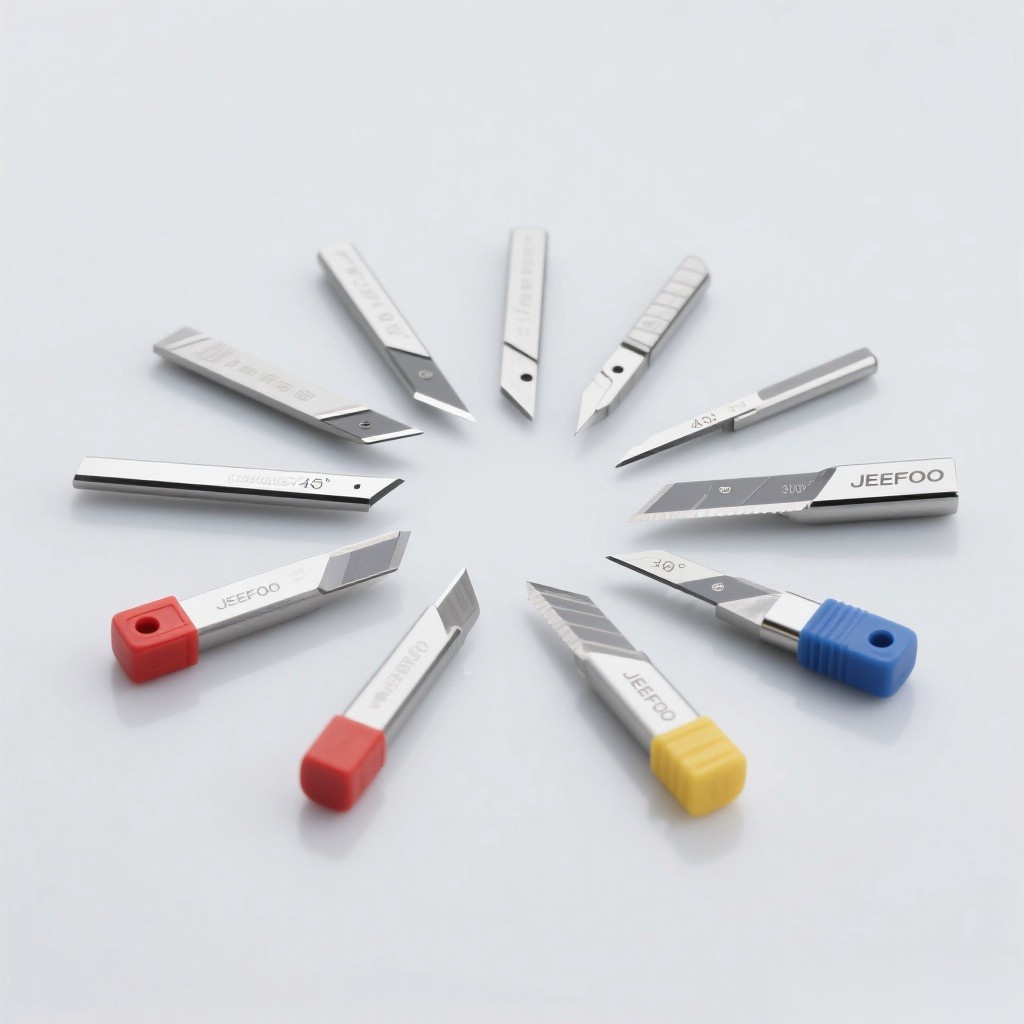
It is a market term commonly used for fine engraving or V-style cutters with a controlled flat at the tip. Products vary in included angle, flat-tip width, cutting length, shank, cutting hand, carbide grade, and intended material. Always use a dimensioned drawing because a photograph cannot show the true tip flat or angle accurately.
Flat Bottom Sharp Knife Coating Guide: 9 Checks
- Identify the material. Specify wood, plastic, acrylic, aluminum, coated panel, composite, or another approved substrate.
- Choose the tip flat. Match flat width to the minimum line, corner, or floor detail.
- Select the included angle. Balance reach, tip strength, wall angle, and engraving width.
- Verify coating compatibility. Confirm the coating is approved for the material and coolant strategy.
- Check edge sharpness. Some coatings or preparations can round a very fine edge if not optimized for micro-tools.
- Limit projection. Use the shortest tool and overhang that clear the feature.
- Measure runout. Small tip flats are highly sensitive to holder and spindle error.
- Start with supplier data. Use documented speed, feed, depth, and step-over limits.
- Test the finish. Inspect burrs, melting, breakout, coating wear, line width, and dimensional accuracy.
How Coatings Affect Performance
Coatings can reduce abrasive wear, lower friction, improve hot hardness, or limit material adhesion. They can also change edge radius and are not universally beneficial. For soft, adhesive materials, a highly polished uncoated or purpose-coated edge may outperform a generic hard coating. For abrasive composites or harder materials, a compatible wear-resistant coating may extend usable life.
Common Coating Families
- TiN-type coatings: general wear and friction improvement for compatible applications.
- TiAlN or AlTiN-type coatings: higher-temperature performance in approved harder-material cutting.
- DLC-type coatings: low friction and reduced adhesion in selected non-ferrous or plastic applications.
- Diamond coatings: strong abrasion resistance for approved graphite or composite work, but unsuitable for ferrous cutting at high temperature.
- Uncoated polished carbide: often valuable where maximum sharpness and low adhesion are priorities.
Coating names alone are not enough. Thickness, adhesion layer, edge preparation, substrate grade, and supplier process determine real performance.
Tip Flat, Angle, and Engraving Width
The Flat Bottom Sharp Knife Coating Guide treats geometry first. The final groove width depends on tip flat, included angle, and cutting depth. A deeper pass with the same angle creates a wider feature. Use CAM geometry that matches the actual measured tool and verify critical dimensions with a test engraving.
Material-Specific Selection
- Acrylic and plastics: prioritize sharpness, polish, chip evacuation, and heat control.
- Aluminum: use geometry and coating that reduce built-up edge and support chip flow.
- Wood and laminates: select cut direction and edge preparation for clean fibers and face quality.
- FRP or composites: verify abrasion resistance and use effective dust extraction.
- Steel or harder alloys: use only a cutter and coating specifically approved for the material and machine.
Feeds, Speeds, and Depth
Fine tips cannot tolerate the same engagement as larger end mills. Begin with supplier data and a shallow protected test. Calculate feed from chip load, tooth count, and spindle speed when tooth-based data is provided. Avoid rubbing, but do not exceed tip-strength, holder, spindle, or coating-temperature limits.
Runout, Holding, and Setup
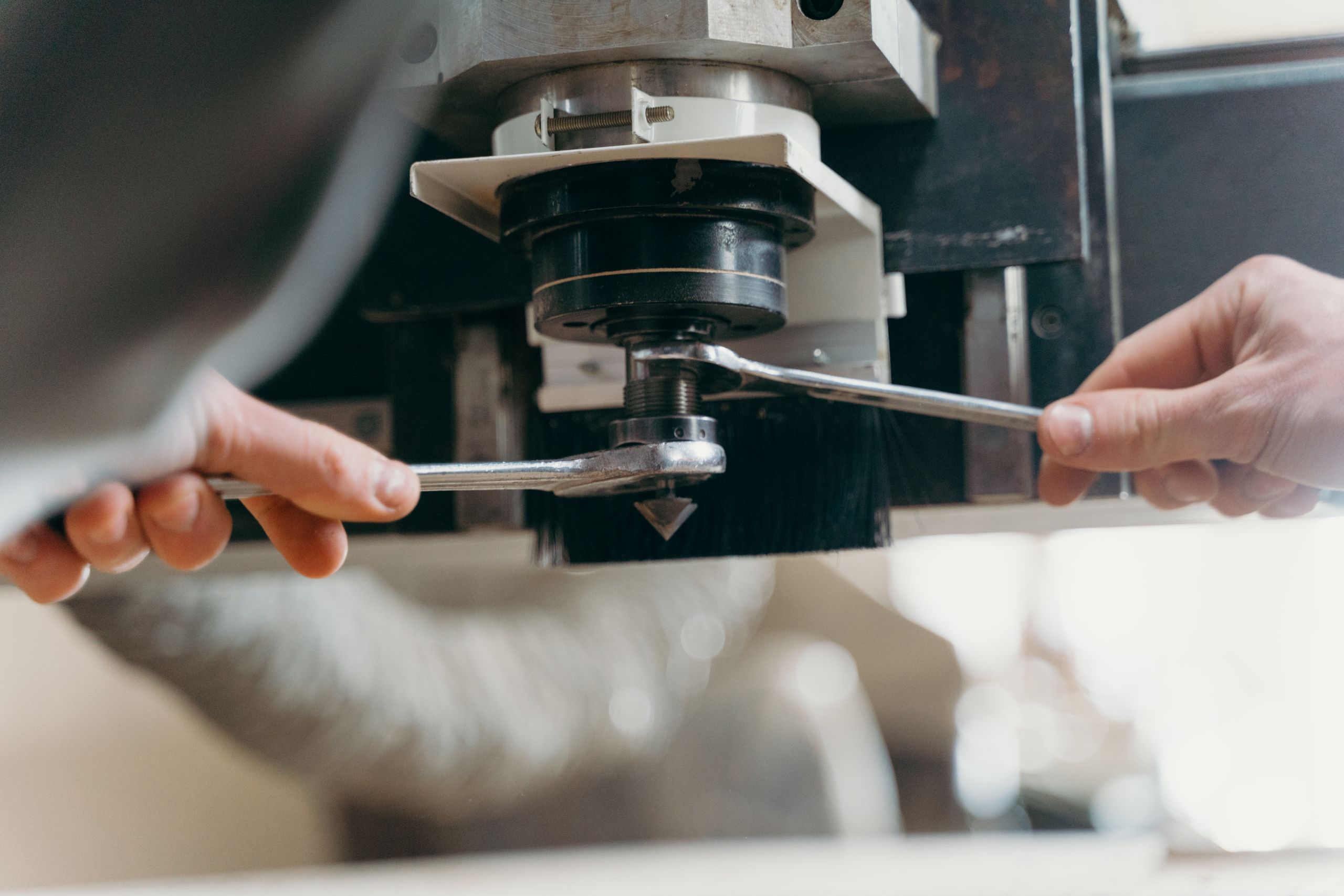
Clean the taper, collet, nut, and shank. Clamp on the approved shank area, minimize projection, and measure runout near the tip. A small amount of runout can make one edge carry most of the load, widening the engraving and causing premature coating or tip failure.
Troubleshooting
- Burrs: inspect sharpness, runout, coating suitability, feed, and cut direction.
- Plastic melting: correct rubbing, chip evacuation, heat, depth, or incompatible coating.
- Tip breakage: reduce projection and engagement, check runout, and confirm entry strategy.
- Short coating life: verify material compatibility, temperature, adhesion, and edge preparation.
- Wrong groove width: correct tool geometry in CAM, depth, runout, and tip-flat data.
- Poor floor finish: inspect the flat tip, toolpath step-over, deflection, and holder condition.
Safety and Handling
The tip is fragile and extremely sharp. Handle it in protective packaging, install it with the spindle stopped, and never wipe the edge by hand. Keep guards and the enclosure closed, secure the part, and follow applicable OSHA machine-guarding guidance plus the machine manual.
How to Specify the Tool
Provide the supplier with workpiece material, hardness or grade, minimum line width, tip flat, angle, engraving depth, shank, holder, spindle range, coolant or extraction method, finish target, and production volume. Request coating identification, edge preparation, dimensioned drawing, recommended cutting data, and regrinding policy. Review JeeFoo engraving cutter solutions for related options.
Frequently Asked Questions
Is a coated knife always better?
No. The coating must match the material, edge geometry, cutting temperature, and desired sharpness.
Does coating change engraving size?
Coating thickness and edge preparation can alter the effective edge radius, but groove size is mainly controlled by tip flat, angle, depth, runout, and deflection.
Why does the coated tip chip?
Likely causes include runout, excessive engagement, impact, wrong entry, weak holding, incompatible coating, or a damaged substrate. Use this Flat Bottom Sharp Knife Coating Guide to check the process.
Final Recommendation
Choose tip geometry before coating, then match the coating or polished surface to the exact material and heat conditions. Minimize runout and projection and validate the first engraving. This Flat Bottom Sharp Knife Coating Guide supports accurate details, cleaner finishes, and predictable tool life.

发表回复
要发表评论,您必须先登录。