
The best milling cutter edge length is the shortest cutting length that fully covers the required axial engagement and provides safe clearance. Extra flute length reduces stiffness, increases deflection, and can worsen chatter and tool life. This Milling Cutter Edge Length Selection Guide explains how to balance reach, rigidity, chip space, holder clearance, and machining depth.
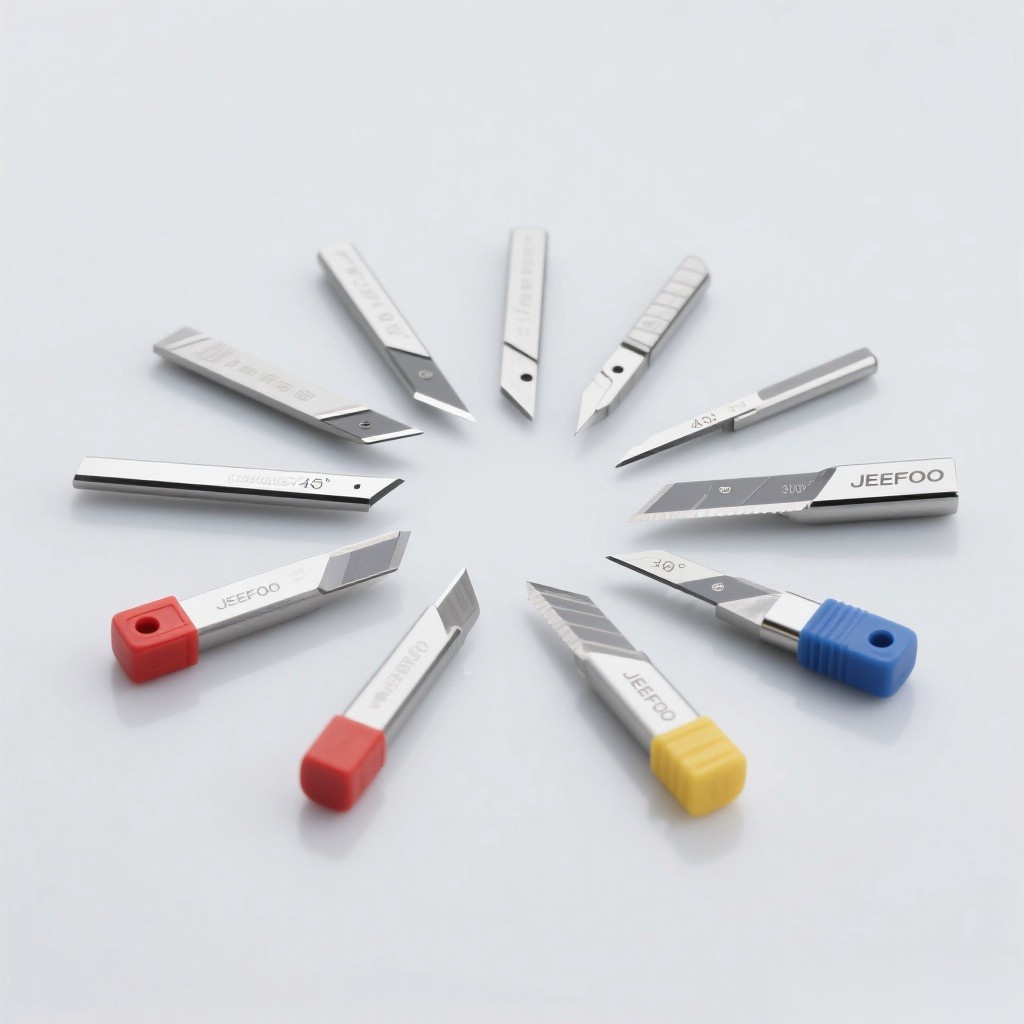
What Is Milling Cutter Edge Length?
Edge length—often called flute length or length of cut—is the usable axial portion of the cutter designed to remove material. It is different from overall length, reach, neck length, and shank length. A long-reach tool may have a relieved neck without having equally long cutting edges, so always read the dimensioned drawing.
Milling Cutter Edge Length Selection Guide: 9 Checks
- Measure the required depth. Use the true axial engagement, not the total part height.
- Add only necessary clearance. Ensure the flute transition does not rub the wall or top surface.
- Minimize projection. Keep the distance from holder face to cutting load as short as possible.
- Check holder interference. Model the collet, nut, chuck, spindle nose, and fixtures.
- Match the diameter. A larger diameter is generally stiffer when the feature permits it.
- Plan chip evacuation. The flute must hold and remove chips for the selected engagement.
- Respect radial engagement. Deep full-width slots load a tool differently from light side milling.
- Separate reach from cut length. Use a relieved-neck or long-reach design when clearance—not a long cutting edge—is the real need.
- Validate with supplier data. Follow maximum depth, speed, feed, and engagement limits for the exact tool.
Why Shorter Cutting Edges Are Usually Stiffer
Deflection rises rapidly as unsupported length increases. A short cutting section and short projection generally improve rigidity, dimensional control, surface finish, and resistance to chatter. That does not mean the shortest catalog tool always works: it must still reach the full cutting depth without allowing the non-cutting section or holder to contact the workpiece.
Edge Length vs Overall Length and Reach
The Milling Cutter Edge Length Selection Guide separates three dimensions. Edge length is the cutting portion. Overall length is the complete tool. Reach is the usable distance into a feature before a larger shank, neck, or holder interferes. Selecting by overall length alone can produce either insufficient flute coverage or unnecessary weakness.
How to Calculate the Needed Length
Start with maximum programmed axial depth. Add the minimum clearance required by the tool drawing and feature geometry. Confirm that the flute transition, corner radius, neck, and holder remain clear throughout the toolpath. For through-cuts, include only the necessary breakthrough below the workpiece and account for the spoilboard or fixture.
Application Examples
- Shallow pocket: choose a short-flute tool that covers the pocket depth plus safe clearance.
- Deep wall finishing: consider a relieved-neck long-reach tool if only the end or lower flute is cutting.
- Full-depth slot: verify chip space, flute coverage, spindle power, and staged depth strategy.
- Thin sheet profile: use a short cutting edge close to the sheet thickness to maximize stiffness.
- Deep cavity: model holder and spindle-nose clearance before choosing extra overall length.
Material and Chip Evacuation
Aluminum and plastics need enough flute space to prevent chip packing. Steel and harder materials demand rigidity and controlled engagement. Wood and composites may require special cut direction or extraction. Edge length alone cannot solve chip control; flute count, helix, coating, coolant or air delivery, and toolpath must also match the workpiece.
Setup and Toolholding
Clean the taper, collet, nut, and shank. Clamp only on the approved shank area and maintain adequate engagement without contacting the flute transition. Use the shortest practical projection, measure runout near the cutting end, and replace worn holders. A long cutter in a poor collet cannot deliver accurate results.
Common Selection Mistakes
- Choosing by part height: base length on actual cutting depth and clearance.
- Using long flutes for holder clearance: consider a relieved neck or smaller holder instead.
- Ignoring flute transition: verify it cannot rub the wall or top face.
- Excessive projection: move the holder closer while maintaining safe clearance.
- Full-depth slotting without chip space: adjust strategy, flute count, coolant, or engagement.
- Chasing chatter with speed alone: correct tool length, runout, workholding, and engagement first.
Safety and Verification
Confirm the programmed depth, holder clearance, tool diameter, length offset, and spindle speed before the first cut. Keep guards and the enclosure closed, secure the part, and stop the spindle before inspection. Follow the machine manual and applicable OSHA machine-guarding guidance.
How to Specify the Cutter
Provide the supplier with material, feature depth and width, axial and radial engagement, required reach, holder type, clearance model, coolant or extraction method, finish target, and machine limits. Request a drawing showing diameter, edge length, neck, shank, overall length, corner geometry, and recommended cutting data. Review JeeFoo milling cutter solutions for related options.
Frequently Asked Questions
Should flute length equal the full toolpath depth?
It must cover the cutting engagement with required clearance, but a necked or long-reach design may provide additional reach without extra flute length.
Does a longer cutting edge remove more material?
Not automatically. Material-removal capacity also depends on diameter, flute count, chip space, rigidity, machine power, toolpath, and cutting data.
Why does a long cutter chatter?
Likely causes include excessive projection, deflection, runout, weak workholding, high engagement, or unsuitable cutting data. Apply this Milling Cutter Edge Length Selection Guide to reduce unsupported length first.
Final Recommendation
Select the shortest edge length that fully covers the real cutting depth and preserves clearance. Use necked reach when appropriate, minimize projection, and verify holder interference in the toolpath. This Milling Cutter Edge Length Selection Guide supports better rigidity, accuracy, finish, and tool life.


发表回复
要发表评论,您必须先登录。