
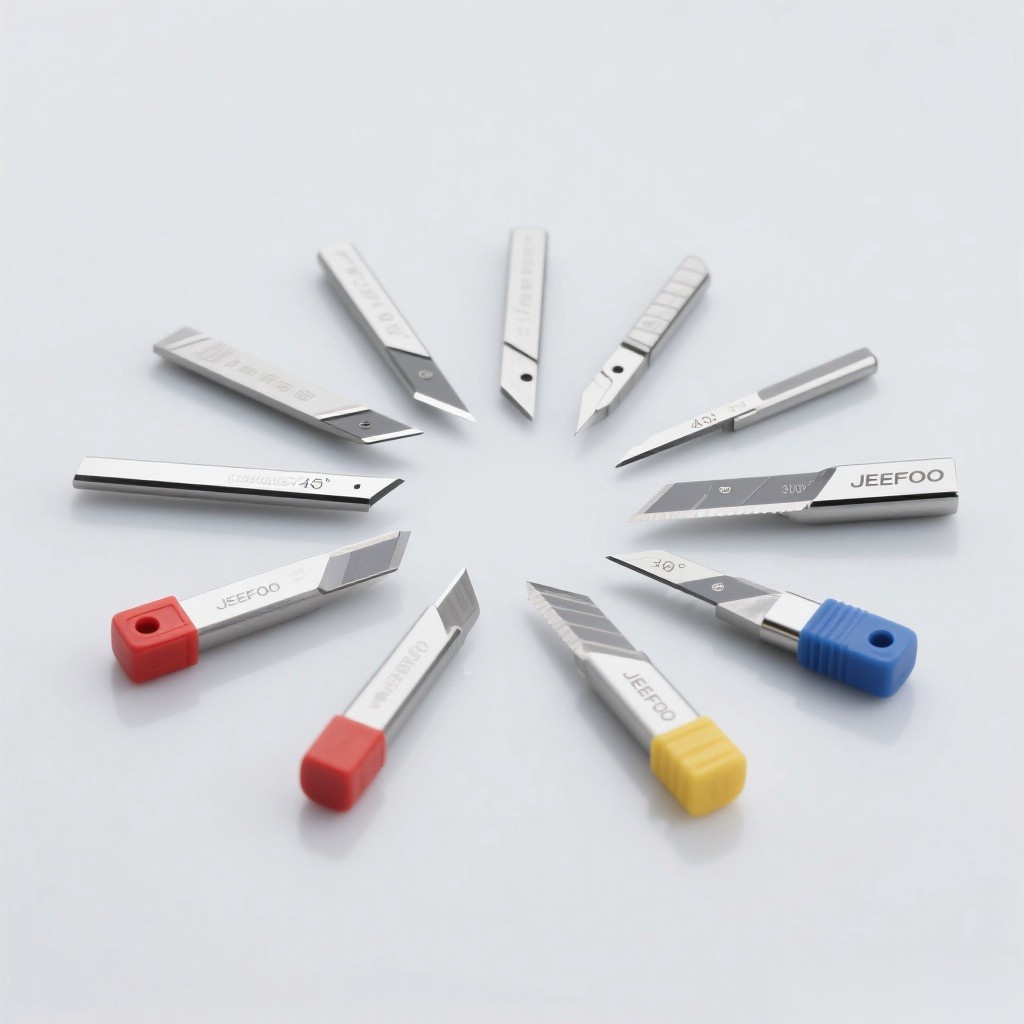
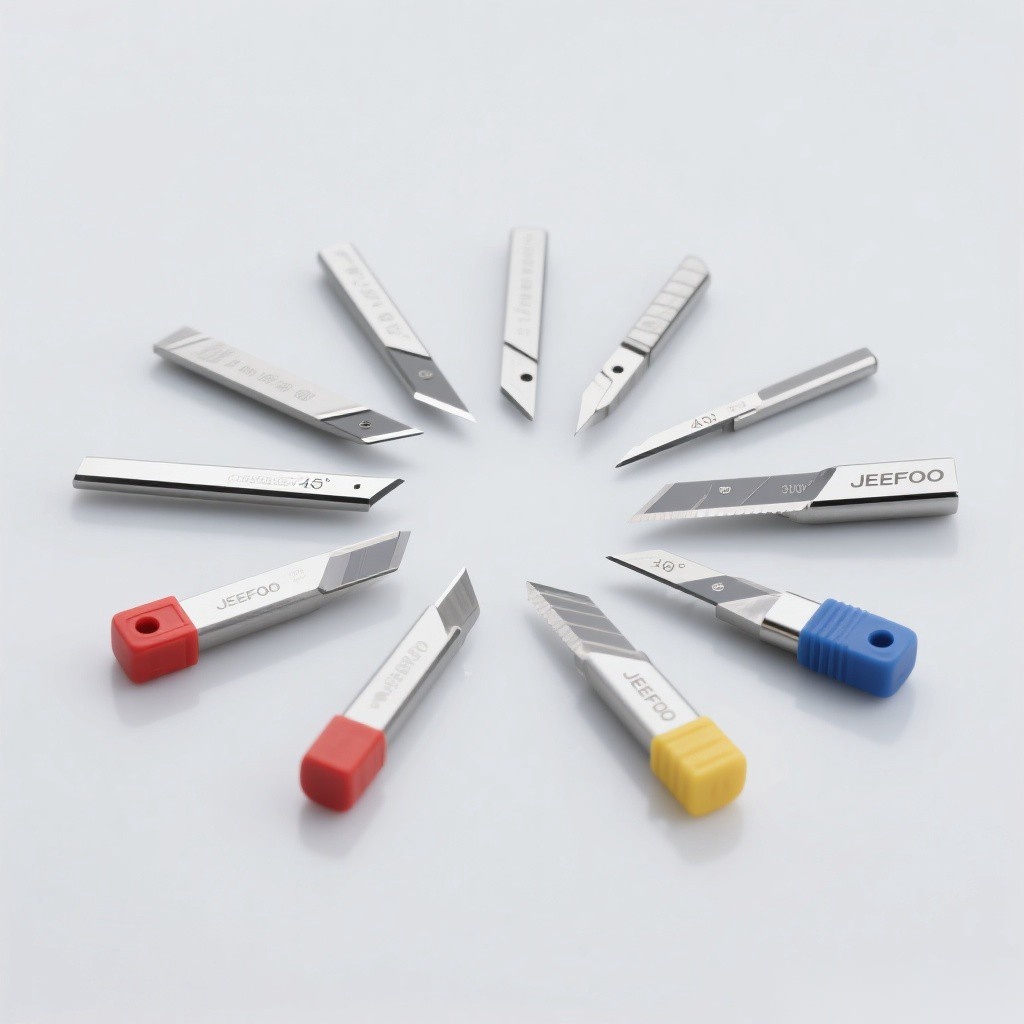
A single-edge aluminum milling cutter uses one large flute to create generous chip space, reduce chip recutting, and support clean machining of aluminum and selected soft non-ferrous materials. This Single Edge Aluminum Milling Cutter Guide explains how to match geometry, size, setup, feeds, cooling, and chip evacuation to the actual job.
What Is a Single-Edge Aluminum Milling Cutter?
It is a rotary cutting tool with one primary cutting edge and a wide flute. The open flute provides room for bulky aluminum chips, while a polished cutting surface can help reduce material adhesion. Tool designs vary by manufacturer, so verify whether a product is intended for sheet, plate, extrusion, cast aluminum, aluminum composite panel, or another specific material.
Single Edge Aluminum Milling Cutter Guide: 9 Selection Tips
- Identify the alloy and condition. State the alloy series, temper, casting type, coating, and hardness whenever available.
- Choose the correct diameter. Use the largest diameter that fits the feature and machine capability for better stiffness.
- Limit flute length. Select only the cutting length needed for the part thickness and axial engagement.
- Check cut direction. Up-cut geometry favors chip evacuation; down-cut may help protect a top surface when the application permits it.
- Match the shank. The shank must fit the holder exactly and provide adequate clamping length.
- Confirm edge preparation. A sharp, polished edge is commonly preferred for aluminum because it reduces rubbing and built-up edge.
- Verify coolant strategy. Follow the tool and machine supplier’s recommendation for air blast, mist, minimum-quantity lubrication, or flood coolant.
- Use stable workholding. Thin sheet and profiles need uniform support so they cannot lift, chatter, or distort.
- Separate roughing and finishing. Leave a controlled allowance when one pass cannot meet dimensional and surface requirements.
Why One Flute Works Well in Aluminum
The central advantage is chip space. At a given diameter, one flute can provide a larger gullet than a multi-flute design. This is valuable on high-speed routers and compact CNC machines where aluminum chips must leave the cut quickly. However, one flute also means fewer cutting events per revolution, so feed calculation and spindle balance must follow verified tool data.
Diameter, Flute Length, and Projection
In this Single Edge Aluminum Milling Cutter Guide, stiffness is a priority. A short tool with minimal projection usually resists deflection better than a long, slender tool. Use the shortest flute that clears the material and the shortest projection that prevents holder interference. Never clamp on the flute or radius transition.
Feeds, Speeds, and Chip Load
Start with the cutter manufacturer’s recommended surface speed and chip load for the exact alloy. For a single flute, feed rate is calculated from chip load × one tooth × spindle speed. Avoid reducing feed so far that the edge rubs instead of cutting. Make a controlled test cut, inspect chip shape and sound, and adjust only within the approved operating range.
Cooling, Lubrication, and Chip Evacuation
Aluminum can weld to a cutting edge when heat and chip recutting are not controlled. Direct clean air or the approved cutting fluid toward the cutting zone and ensure chips can leave the enclosure safely. The correct method depends on the machine, alloy, tool coating, and workplace rules. Do not improvise a flammable mist or defeat machine guarding.
Setup Checklist Before Cutting
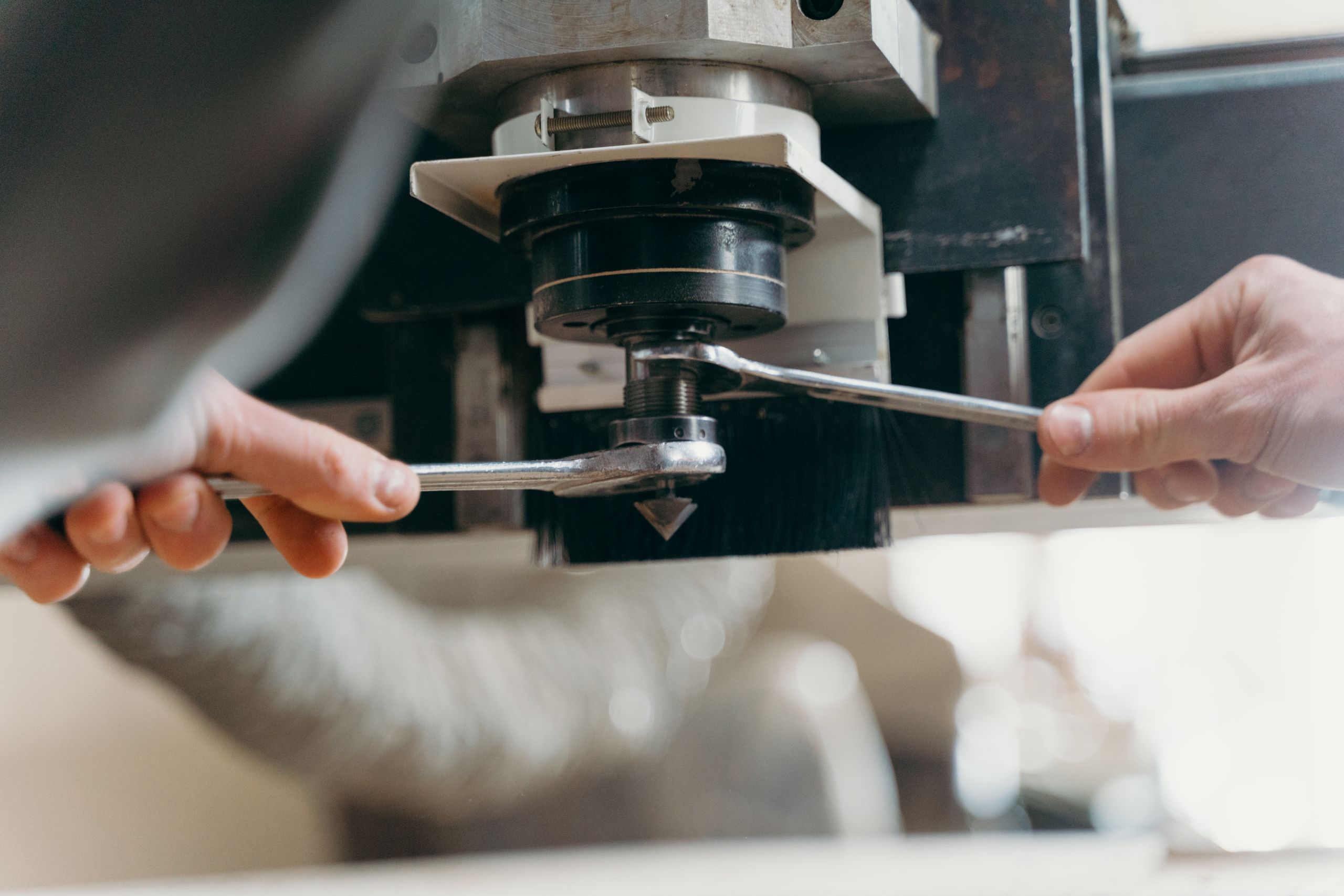
- Clean the taper, collet, nut, and tool shank.
- Replace cracked, bell-mouthed, or worn collets.
- Measure runout near the cutting end.
- Confirm spindle, holder, and tool speed ratings.
- Support the part close to the cutting zone.
- Verify the programmed tool diameter, work offset, direction, and safe clearance.
- Run the first cycle conservatively inside a closed enclosure.
Troubleshooting Common Aluminum Problems
- Built-up edge: improve chip evacuation and lubrication, confirm chip load, and replace a dull tool.
- Chatter: reduce projection, improve workholding, check runout, and reduce engagement within supplier limits.
- Burrs: inspect edge condition, cut direction, support, and finishing allowance.
- Chip packing: stop machining, clear the system safely, and correct air, coolant, flute capacity, or engagement.
- Dimensional error: check deflection, thermal growth, runout, workholding movement, and tool compensation.
Safety Essentials
Keep guards and the enclosure closed, secure the workpiece, and wear appropriate eye and hearing protection. Sharp aluminum chips can be hot and may travel at high speed. Follow the machine manual and applicable OSHA machine-guarding guidance. Stop the spindle before inspecting, measuring, or clearing chips.
How to Specify the Tool to a Supplier
Provide the alloy, temper, material thickness, machine and spindle range, holder size, feature dimensions, cutting direction, coolant method, roughing allowance, finish target, and production volume. Request a drawing, maximum speed, chip-load range, compatible materials, and recommended radial and axial engagement. Review JeeFoo CNC cutting tool solutions for related tooling options.
Frequently Asked Questions
Can a single-edge cutter machine every aluminum alloy?
No. Wrought, cast, high-silicon, and coated aluminum products behave differently. Confirm the exact tool grade and geometry against the supplier’s material chart.
Why does aluminum stick to the cutter?
Common causes include rubbing, a dull edge, inadequate chip evacuation, excessive heat, unsuitable lubrication, or incompatible geometry. Use the Single Edge Aluminum Milling Cutter Guide to check the complete process rather than changing spindle speed alone.
Is one flute suitable for finishing?
It can produce a good finish when geometry, runout, workholding, cutting data, and edge condition are correct. A dedicated finishing pass may still be required for demanding tolerance or surface specifications.
Final Recommendation
Select the shortest, stiffest compatible tool; verify its approved alloy range; and begin with documented supplier cutting data. This Single Edge Aluminum Milling Cutter Guide supports a repeatable setup, but the machine manual and cutter manufacturer’s limits always take priority.

发表回复
要发表评论,您必须先登录。