
A corn milling cutter is a coarse-tooth tool designed for fast stock removal and reliable chip breakup. The right choice depends on the supplier’s exact geometry, workpiece material, cutter diameter, cutting direction, spindle capability, and the finish required. This Corn Milling Cutter Selection Guide explains how to verify those factors before machining.
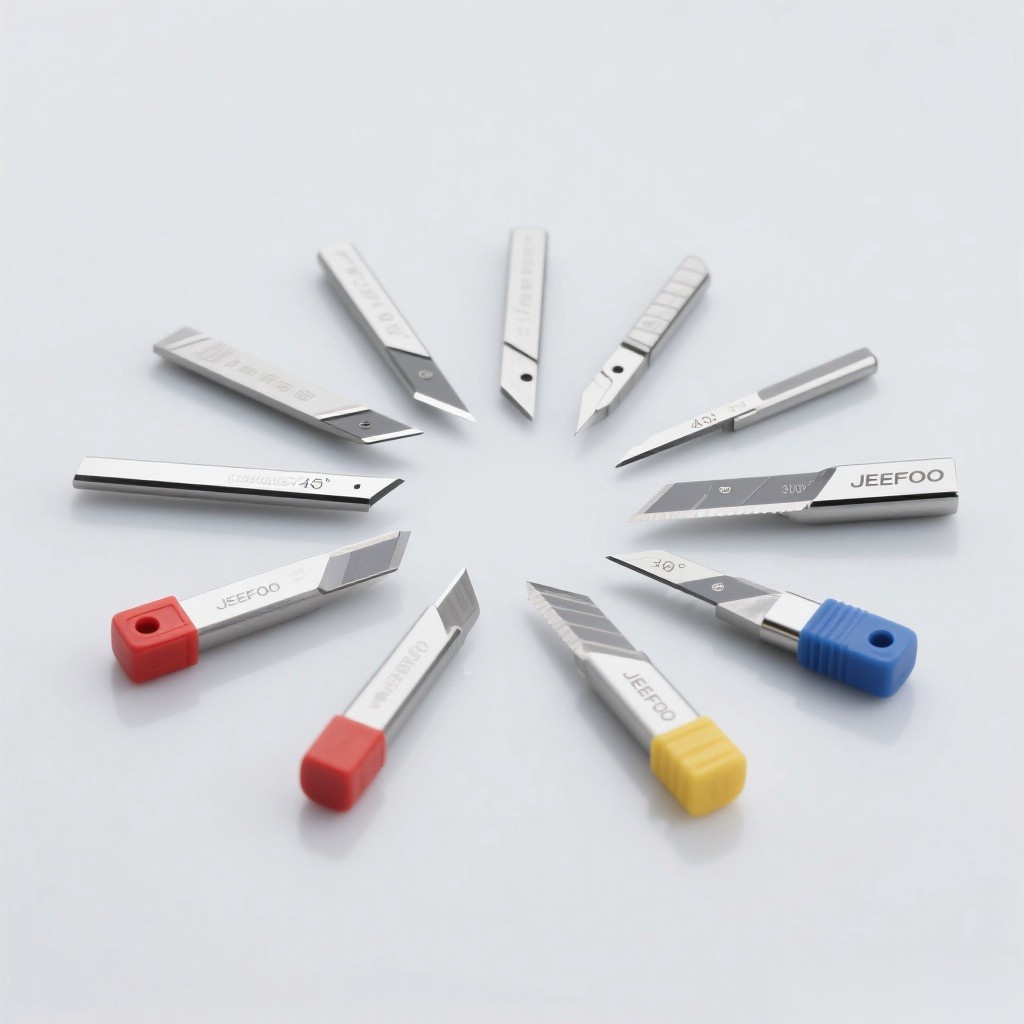
What Is a Corn Milling Cutter?
“Corn milling cutter” is a market term rather than one universal ISO geometry. Some suppliers use it for a rotary-rasp or corn-tooth cutter used on wood, plastics, PCB, FRP, and other composites. Others use it for a chipbreaker roughing end mill whose serrated cutting edges divide the chip. Always match the manufacturer’s drawing and material chart to the application instead of relying on the name alone.
Corn Milling Cutter Selection Guide: 9 Practical Checks
- Confirm the workpiece. Identify the exact grade, hardness, fiber content, coating, adhesive, and heat sensitivity.
- Verify cutter style. Distinguish a rasp-style corn tooth from a serrated roughing end mill.
- Choose cut direction. Up-cut evacuates chips; down-cut can protect the top surface; compression geometry may protect both faces when specified.
- Match diameter to the feature. A larger diameter is stiffer, while a smaller tool reaches narrow slots and corners.
- Limit cutting length. Use only the flute length needed so the tool remains rigid.
- Check shank and holder. The shank must match the collet precisely and be clamped on a clean, undamaged surface.
- Select tooth density. Coarse teeth favor chip space and aggressive removal; finer patterns can reduce surface scallops but need better chip control.
- Separate roughing from finishing. Leave a controlled allowance, then finish with a suitable geometry when the corn cutter cannot meet the final surface requirement.
- Follow verified cutting data. Start with the tool supplier’s speed, feed, radial engagement, and depth recommendations.
Material and Geometry Matching
The Corn Milling Cutter Selection Guide starts with compatibility. For wood or plastics, prioritize clean chip evacuation and a cutting direction that protects the visible face. For PCB, fiberglass, or carbon-fiber composites, use only geometry and carbide grades approved for abrasive fibers, along with effective dust extraction. For aluminum or other non-ferrous metals, never assume a rasp-style tool is suitable: verify the supplier’s application range and use a geometry that prevents chip packing.
Setup, Runout, and Tool Projection
Clean the taper, collet, nut, and shank before assembly. Replace worn collets and measure runout near the cutting end. Clamp enough shank for secure holding without contacting the flute transition, and keep projection as short as the part allows. Excess runout or overhang makes individual teeth carry unequal load, which accelerates wear, vibration, and edge failure.
Feeds, Speeds, and Chip Control
Do not copy a spindle speed from an unrelated tool. Use the supplier’s surface-speed range and calculate feed from the specified chip load, tooth count, and spindle speed. Run a conservative test cut, inspect chips and sound, and adjust within the approved range. Proper chips carry heat away; dust, rubbing, melting, discoloration, or packed flutes indicate that the setup or cutting data needs correction.
Common Problems and Corrections
- Heavy vibration: reduce projection, check runout, improve workholding, and reduce engagement within supplier limits.
- Burning or melting: improve evacuation, confirm chip load, and check for a dull or unsuitable edge.
- Fiber breakout: verify cut direction, support the laminate, and consider compression geometry approved for the panel.
- Rapid wear: confirm carbide grade, coating, work material, runout, and cutting speed.
- Poor final finish: leave a uniform allowance and use a dedicated finishing cutter.
Safety and Dust Extraction
Use an enclosed machine, secure the workpiece, keep guards in place, and never exceed the cutter or holder speed rating. Fiberglass, carbon fiber, wood, and composite dust may be hazardous; use effective extraction and suitable personal protective equipment. Review applicable guidance from the U.S. Occupational Safety and Health Administration and follow local regulations and the machine manual.
Buying Checklist
When requesting a quotation, provide the material, thickness, machine type, spindle range, holder size, slot or profile dimensions, roughing allowance, required finish, and expected production volume. Ask for a dimensional drawing, maximum speed, recommended cutting data, cut direction, compatible materials, and regrinding policy. You can also review JeeFoo cutting tool solutions for related CNC tooling options.
Frequently Asked Questions
Is a corn milling cutter a finishing tool?
Usually it is selected for efficient roughing or abrasive-material cutting. Whether it can produce the final surface depends on its exact geometry, material compatibility, runout, and the specified finish.
Can one corn cutter machine every material?
No. Tool names may look similar while carbide grade, tooth form, coating, and cut direction differ. Use the Corn Milling Cutter Selection Guide together with the supplier’s approved material chart.
Why does a corn milling cutter vibrate?
Common causes include excessive projection, worn collets, runout, weak workholding, too much engagement, unsuitable cutting data, or a damaged tool. Stop the machine and correct the cause before continuing.
Final Recommendation
The safest choice is the shortest, stiffest compatible tool that meets the feature dimensions and is supported by verified cutting data. Apply this Corn Milling Cutter Selection Guide, document the successful test parameters, monitor edge condition, and use a separate finishing operation whenever the required surface demands it.


发表回复
要发表评论,您必须先登录。