
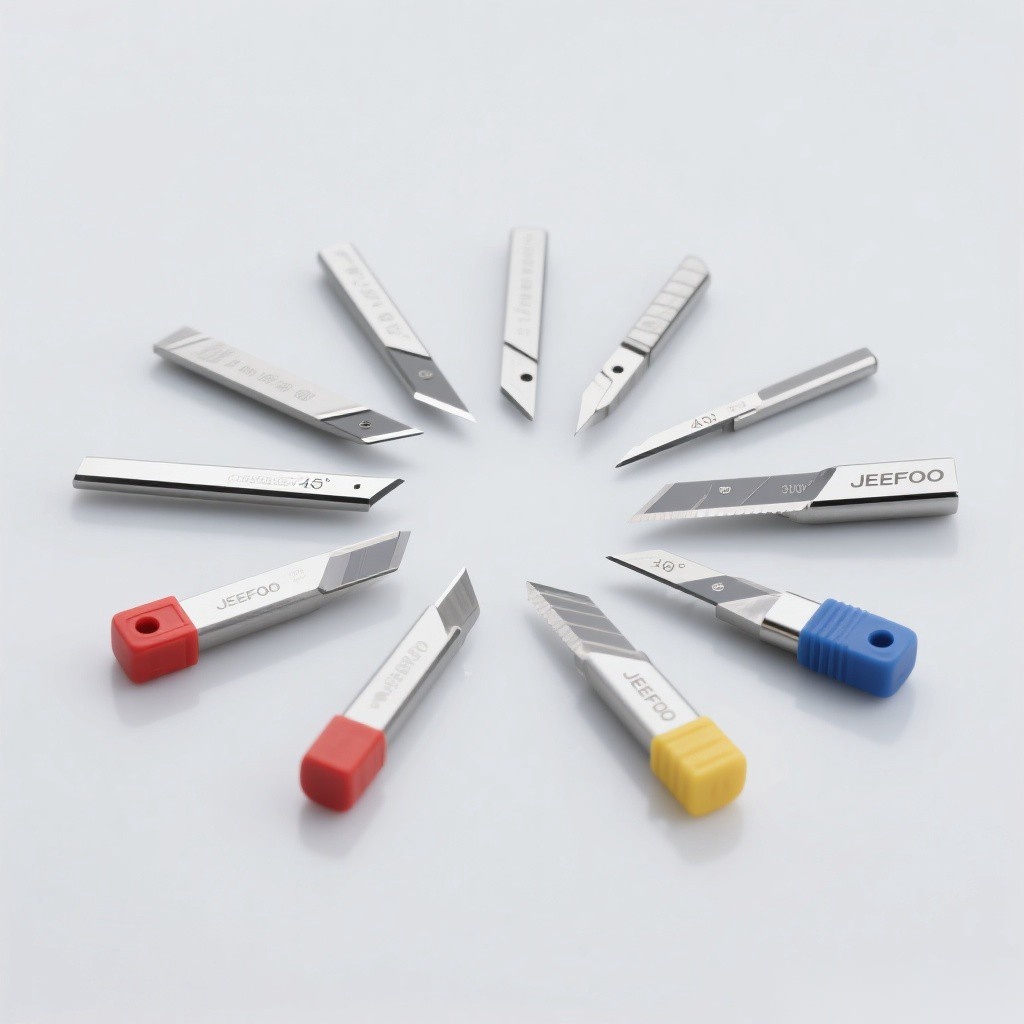
Double Edge Straight Groove Router Bit Guide: a double-edge straight-groove bit is a two-cutting-edge rotary tool designed to create straight slots, pockets, rabbets, dados, and clean edges in suitable wood, wood composites, and selected plastics. The two opposing edges share the cutting load, while the straight flute geometry provides predictable wall shape and straightforward sharpening.
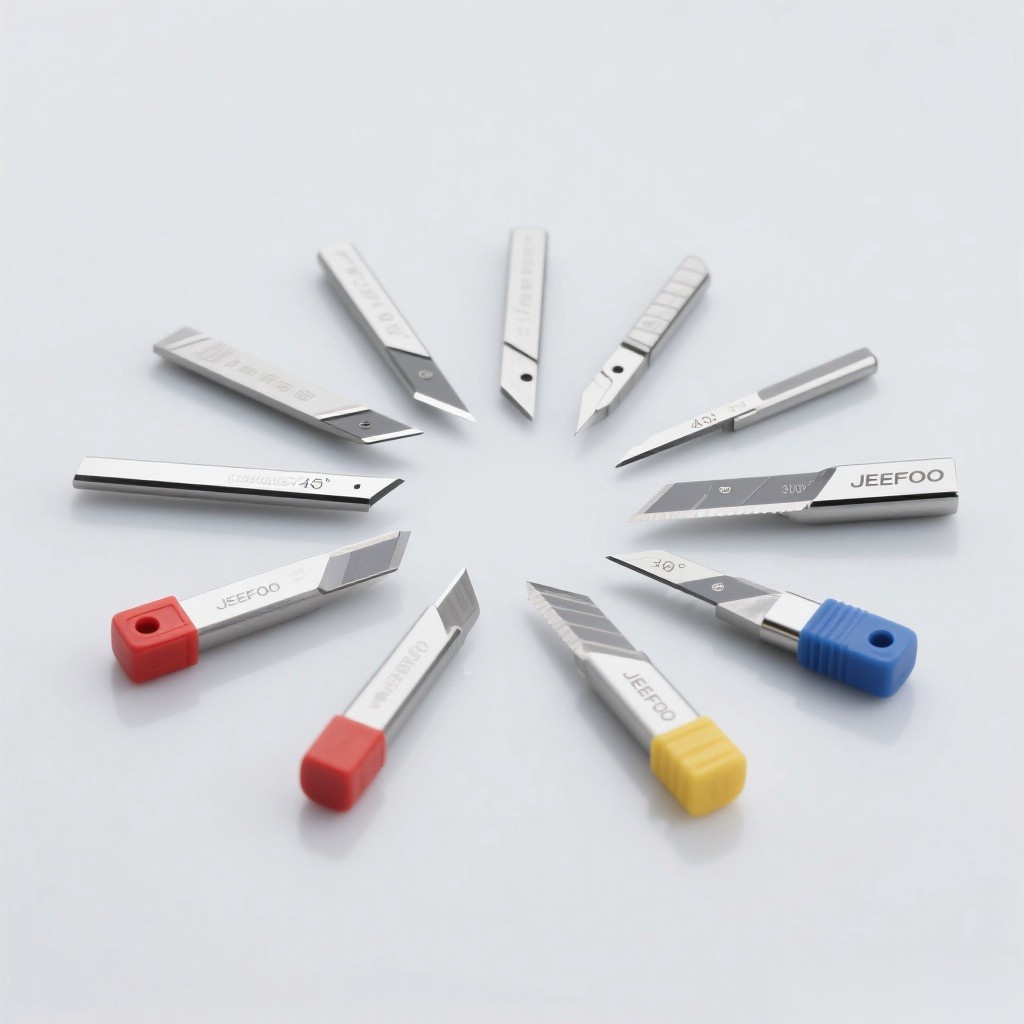
Table of Contents
Double Edge Straight Groove Router Bit Guide: Quick Answer
Choose a bit diameter that matches the required slot, a cutting length just longer than the workpiece engagement, and the shortest practical overall reach. Match the shank to the collet, verify the cutter material for the workpiece, minimize runout, and begin with the manufacturer’s feed and speed data. Use dust extraction or chip evacuation so the two edges cut rather than recut debris.
What Is a Double-Edge Straight-Groove Bit?
The tool has two straight cutting edges arranged around a cylindrical body. Depending on its design, it may plunge, cut from the side, or perform both operations. Common applications include CNC routers, handheld routers, engraving machines, trimming machines, and woodworking milling equipment. Always confirm whether a particular model is center-cutting before plunging.
Best Applications
- Straight slots, dados, grooves, and pockets.
- Rabbets and shoulders with square walls.
- Edge trimming and sizing when the setup supports the cut direction.
- Wood, MDF, plywood, laminates, and selected plastics approved by the supplier.
- General-purpose routing where balanced two-edge cutting is preferred.
Select Diameter, Cutting Length, and Shank
The Double Edge Straight Groove Router Bit Guide starts with dimensions. Diameter controls slot width and influences rigidity. Cutting length must cover the actual axial engagement without adding unnecessary overhang. The shank must match the collet exactly; never clamp a metric shank in a nominal inch collet or the reverse unless the manufacturer explicitly approves the combination.
Choose Tool Material for the Workpiece
Solid carbide offers wear resistance and stiffness for demanding production, small diameters, and abrasive sheet materials. Carbide-tipped tools can be economical for larger woodworking profiles. High-speed steel may offer toughness for selected lower-speed work, but it generally wears sooner in abrasive composites. The Double Edge Straight Groove Router Bit Guide recommends using supplier compatibility data instead of selecting by appearance alone.
Feed, Speed, and Depth of Cut
Calculate feed from the recommended chip load, two flutes, and actual spindle speed. Full-width slots create more heat and chip congestion than light edge cuts, so they often require conservative axial depth or multiple passes. Avoid reducing feed until the edges rub. Burning, melted plastic, dust instead of chips, or rapidly dulling edges can indicate unsuitable cutting data, poor evacuation, excessive runout, or a worn tool.
Cut Direction and Workholding
On a CNC router, use a toolpath appropriate for machine rigidity, workholding, and finish requirements. On a handheld router, conventional cutting is generally easier to control; climb cutting can pull the tool and must only be used when the equipment manufacturer and an experienced operator permit it. Secure the workpiece so it cannot shift, lift, or vibrate.
Collet, Runout, and Projection
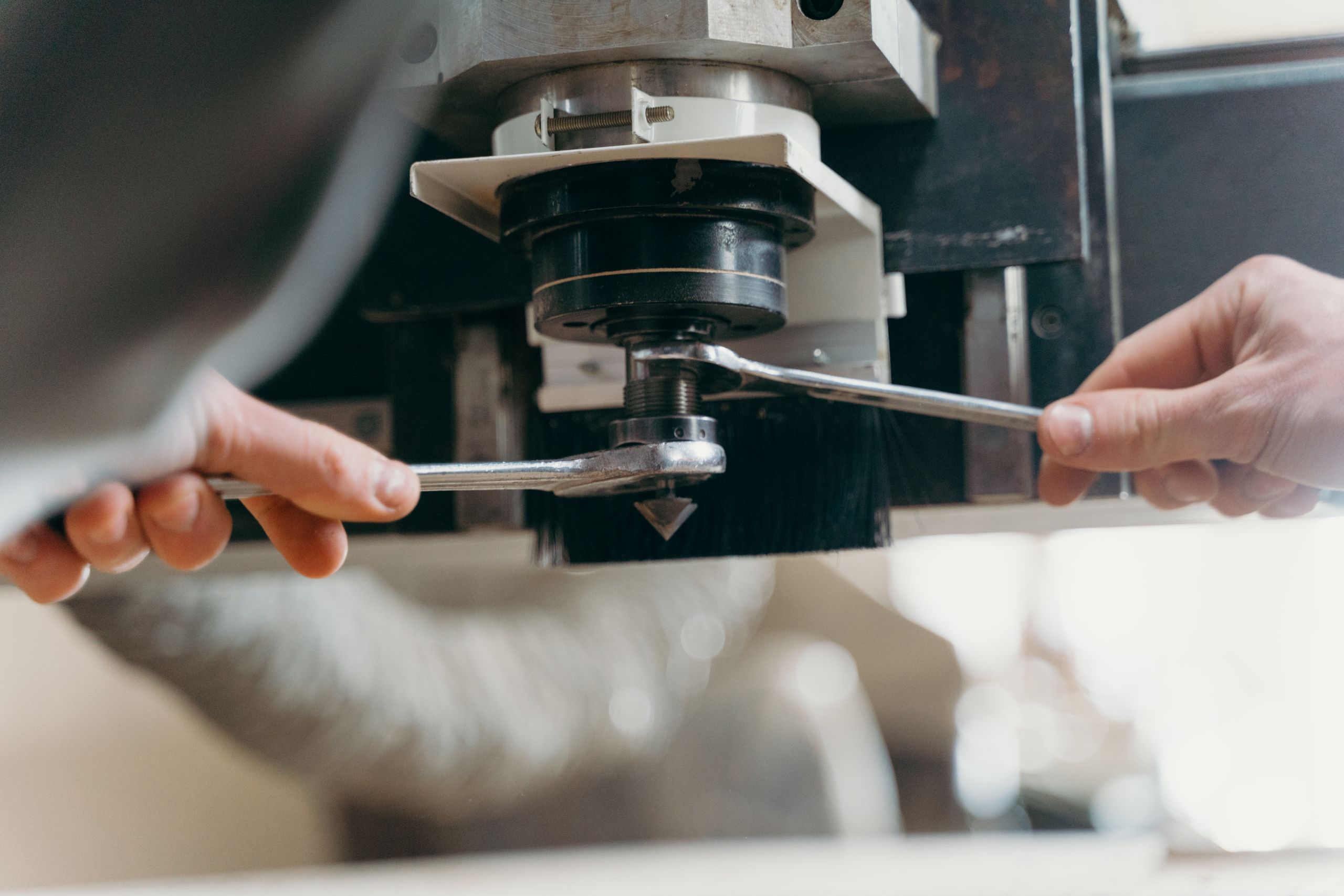
Clean the shank, collet, nut, and spindle interface before assembly. Insert the shank to the specified gripping depth without bottoming it in the collet, and tighten to the equipment maker’s torque guidance. Excessive projection reduces stiffness. Runout makes one edge carry more load, causing chatter, uneven wear, poor size control, and premature failure.
Chip Evacuation and Surface Finish
Straight flutes do not lift chips like an up-cut spiral, so extraction and toolpath strategy matter. Keep the kerf clear, especially in deep grooves and heat-sensitive plastics. If the bottom must remain clean, confirm the bit’s end geometry. If top-edge tear-out is the dominant problem, compare straight, compression, down-cut, and shear-angle designs for the specific sheet material.
Troubleshooting Checklist
- Burning: inspect sharpness, feed, RPM, runout, and chip removal.
- Chatter: reduce projection, improve workholding, and check collet condition.
- Oversize groove: measure runout, tool diameter, and machine motion.
- Tear-out: review grain direction, entry strategy, edge sharpness, and cutter geometry.
- Broken edge: check impact, aggressive engagement, contamination, and incorrect material use.
Maintenance and Replacement
After the spindle stops, remove resin with a cleaner approved for the tool, dry it, and protect it from corrosion and impact. Inspect both edges under adequate light. Replace or professionally sharpen the cutter when edges are chipped, geometry is altered, the shank is damaged, or finish and cutting load no longer recover after setup corrections. Record tool life by material and operation.
Safety Rules
Keep guards and extraction systems operating, wear suitable eye and hearing protection, and keep hands away from the cutter path. Never touch or clear chips near a rotating tool. Respect the lowest speed rating of the bit, collet, spindle, and machine. Review OSHA machine guarding guidance for general safety context, and visit JeeFoo Tools for related cutting tools.
Double Edge Straight Groove Router Bit FAQ
Can this bit plunge directly?
Only if the specific tool has center-cutting end geometry and the supplier permits plunging. Otherwise, use a ramp, predrilled entry, or another approved strategy.
Is it suitable for MDF and plywood?
Often yes, provided the cutter material, diameter, cutting data, and extraction suit the board. Abrasive panels can shorten tool life.
Why does the groove burn?
Common causes include a dull edge, low chip load, excessive RPM, recutting chips, poor extraction, excessive runout, or dwelling in one place.
How do I improve groove accuracy?
Follow the Double Edge Straight Groove Router Bit Guide: use a rigid short setup, measure runout and cutter diameter, secure the workpiece, verify machine calibration, and apply a consistent finishing pass.
Final Selection Checklist
- Use the Double Edge Straight Groove Router Bit Guide to confirm application and material.
- Use the Double Edge Straight Groove Router Bit Guide to verify diameter, cutting length, shank, and center-cutting capability.
- Use the Double Edge Straight Groove Router Bit Guide to validate feed, speed, engagement, extraction, runout, and safety.

发表回复
要发表评论,您必须先登录。