
CNC Milling Cutter Maintenance Checklist: safe cutter care combines correct selection, clean installation, validated cutting parameters, effective chip control, regular inspection, careful cleaning, and protected storage. Maintenance cannot restore a chipped or badly worn edge, but it can prevent avoidable damage, reduce runout, improve repeatability, and help operators replace tools before they fail.
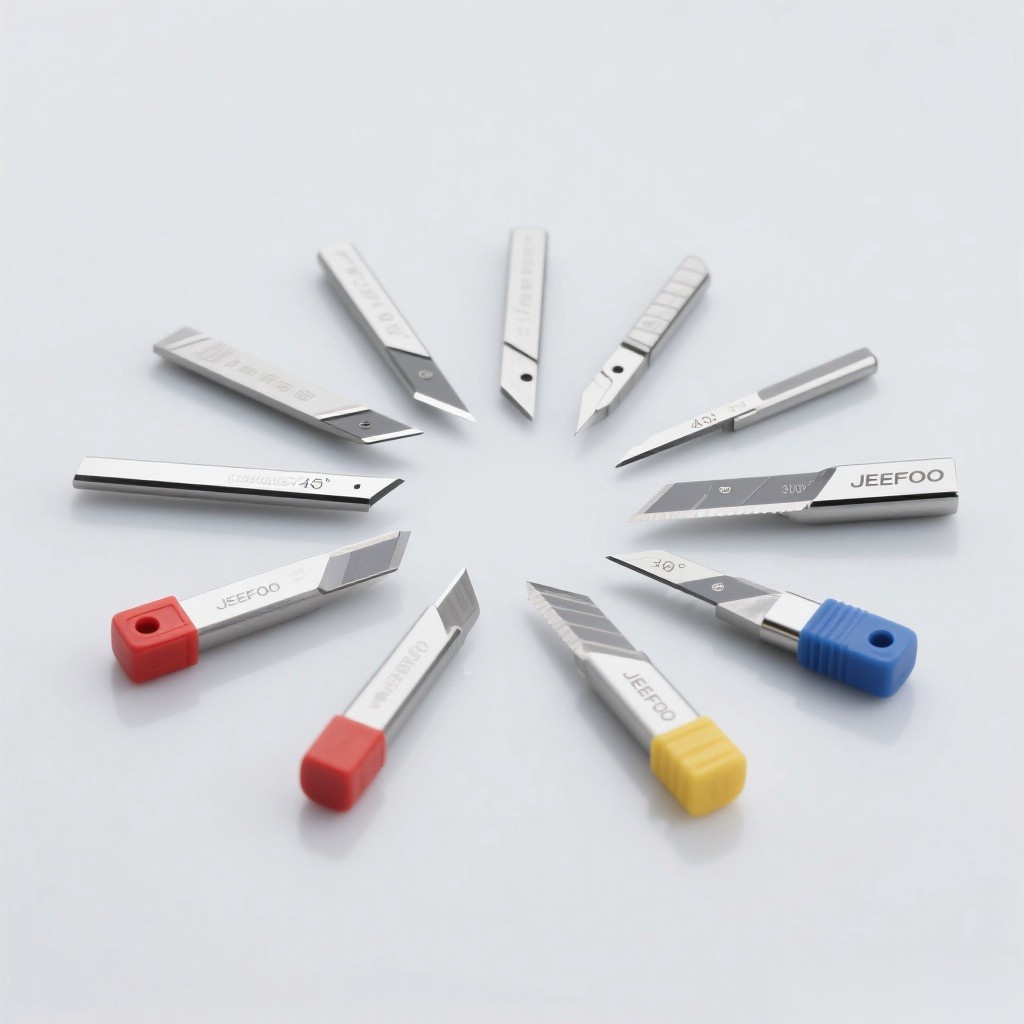
CNC Milling Cutter Maintenance Checklist: Quick Answer
Before each job, inspect the cutting edges and shank, clean the holder interface, minimize stick-out, measure runout, confirm tool data, and run a controlled test cut. After machining, remove chips and residue with a tool-safe process, dry the cutter, document wear, and store it separately. Replace tools with chips, cracks, bending, severe coating loss, or persistent performance decline.
Why Cutter Life Depends on the Entire Process
Tool life is affected by workpiece material, carbide grade, coating, geometry, spindle condition, holder accuracy, runout, stick-out, feed, speed, engagement, coolant, chip evacuation, entry strategy, and workholding. Cleaning only the cutter will not correct rubbing, chatter, thermal shock, recut chips, or a worn collet. Maintenance therefore includes the complete tooling system.
10-Step Pre-Use Checklist
- Confirm the cutter is rated for the workpiece and operation.
- Inspect every flute, corner, end tooth, tip, and coating.
- Check the shank for corrosion, scoring, impact marks, or bending.
- Clean the holder, collet, nut, spindle taper, and tool shank.
- Verify the holder and shank sizes match exactly.
- Minimize stick-out while maintaining fixture clearance.
- Measure runout and correct worn tooling interfaces.
- Confirm tool length, diameter, offsets, rotation, and tool number.
- Verify coolant, air, mist, extraction, or chip-control nozzles.
- Simulate the path and run a short test cut before production.
Correct Installation and Runout Control
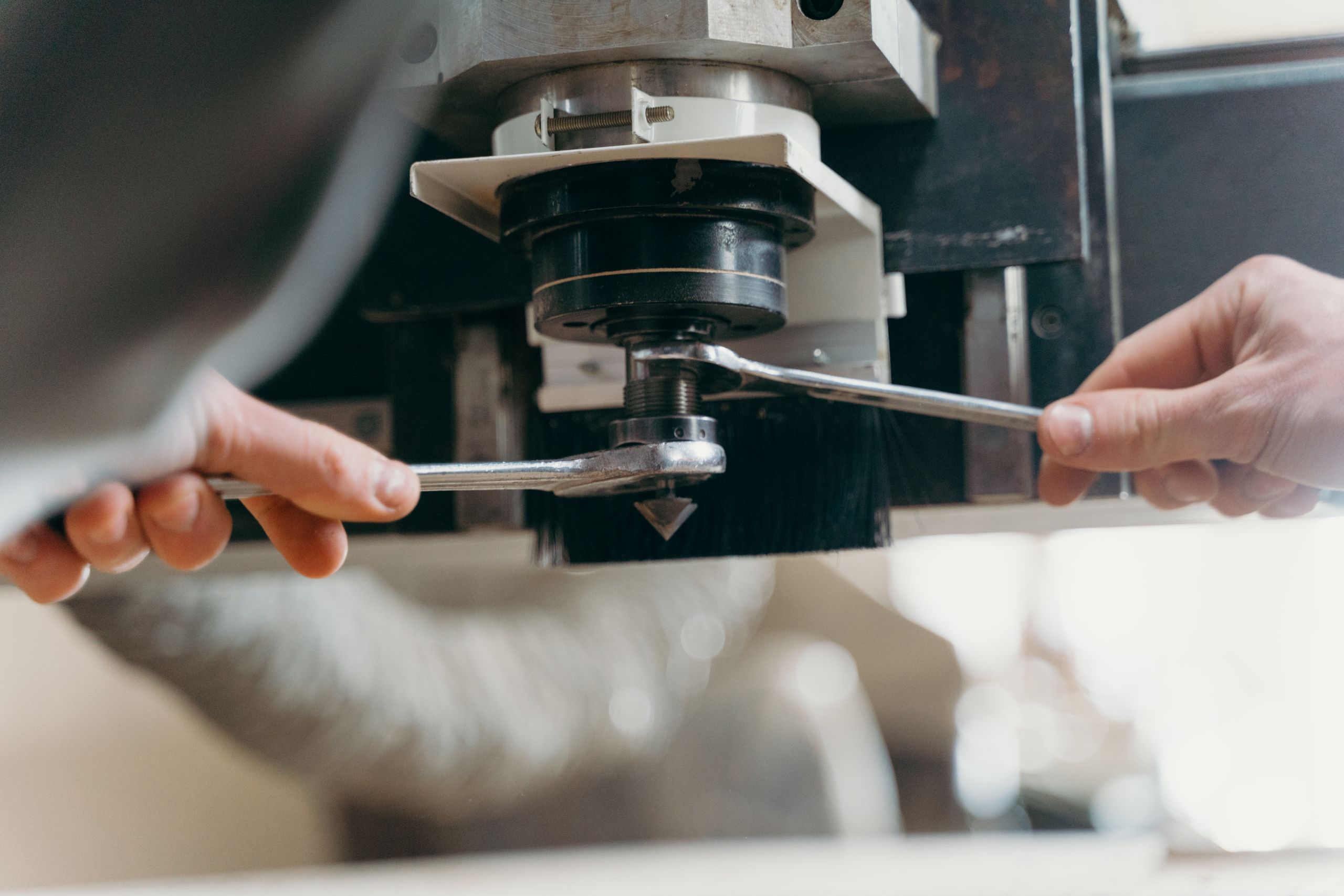
Even small particles between the shank and holder can create runout. Tighten the holder using the manufacturer’s torque and procedure; do not improvise with extensions or damaged collets. Clamp only the shank, never the cutting edge or transition radius. Excessive runout makes one flute carry more load, causing uneven wear, poor dimensions, chatter, and early failure.
Feeds, Speeds, and Engagement
The CNC Milling Cutter Maintenance Checklist includes operating data because rubbing and overloading quickly damage edges. Start from the cutter manufacturer’s surface speed and chip load. Calculate feed from flute count and actual spindle speed, then select radial and axial engagement for tool diameter, reach, material, and machine rigidity. Adjust one variable at a time after inspecting chips, load, sound, and finish.
Chip Control and Coolant Care
Re-cut chips can abrade the coating, chip the edge, raise heat, and ruin the surface. Direct air, mist, flood coolant, through-tool coolant, or dust extraction at the active cutting zone as approved. Maintain coolant concentration, filtration, delivery, and cleanliness according to supplier requirements. Avoid thermal shock when using coatings or materials sensitive to intermittent cooling.
Safe Post-Use Cleaning
- Stop and isolate the machine before handling the cutter.
- Use cut-resistant handling methods appropriate to sharp edges.
- Remove loose chips with a brush or approved low-risk method.
- Use a cleaner compatible with carbide, steel, brazing, and coating.
- Never scrape a cutting edge with a hard object.
- Dry the cutter completely to prevent corrosion.
- Inspect under magnification and record unusual wear.
- Apply approved corrosion protection only when required.
Storage Rules
Store each cutter in a labeled tube, rack, or individual pocket so cutting edges cannot strike other tools. Keep tooling dry, clean, and away from vibration, coolant residue, and corrosive chemicals. Label diameter, radius, material application, coating, tool life status, and regrind history. Separate new, used, quarantined, and damaged tools.
Wear Patterns and What They Mean
- Flank wear: can be normal progression but requires a defined limit.
- Chipping: may indicate impact, runout, vibration, hard inclusions, or aggressive entry.
- Built-up edge: often points to adhesion, rubbing, heat, or poor lubrication.
- Crater wear: can signal high temperature or unsuitable grade and coating.
- Uneven flute wear: commonly indicates runout or holder problems.
- Thermal cracking: may follow cyclic heating, interrupted coolant, or severe cutting conditions.
When to Replace or Regrind
Replace the cutter immediately if it is cracked, bent, chipped beyond the approved limit, or has a damaged shank. Planned replacement may also be triggered by dimensional drift, rising spindle load, worsening finish, burr growth, abnormal sound, or a defined wear measurement. Regrinding should be performed only by a qualified service that can restore geometry and, when required, recoating and balance.
Tool-Life Records
Record tool ID, workpiece batch, operation, cutting time or distance, parameters, holder, coolant, wear, failure mode, and replacement reason. Consistent records reveal whether a problem comes from the cutter, material, spindle, workholding, program, or handling. Trend data is more reliable than waiting for unpredictable breakage.
Troubleshooting Early Tool Failure
Check runout, stick-out, holder condition, workpiece hardness, cutting engagement, entry moves, chip evacuation, and coolant delivery. Verify the programmed diameter, flute count, spindle speed, feed, and tool path. If multiple tools fail in the same way, investigate the process before installing another identical cutter.
Safety and Authoritative Resources
Milling cutters have sharp edges and can retain hot chips. Isolate the machine, use appropriate PPE, keep guards closed, and never measure or clear chips near a rotating spindle. The OSHA machine guarding guidance offers general safety context. For related cutters and application support, visit JeeFoo Tools.
Frequently Asked Questions
Can a dull milling cutter be sharpened by hand?
Hand sharpening can alter geometry, runout, edge preparation, and balance. Use a qualified regrinding service or replace the tool according to manufacturer guidance.
How often should a cutter be inspected?
Inspect before and after each use, plus at planned intervals during long production runs. High-risk or high-value operations may require automated tool-life monitoring.
Does cleaning extend tool life?
Cleaning prevents contamination, corrosion, and installation runout, but it cannot reverse cutting-edge wear. Correct parameters and chip control remain essential.
Why does one flute wear faster?
Uneven wear often indicates runout, holder damage, spindle problems, asymmetric coolant, or interrupted engagement. Inspect the entire tooling system.

发表回复
要发表评论,您必须先登录。