
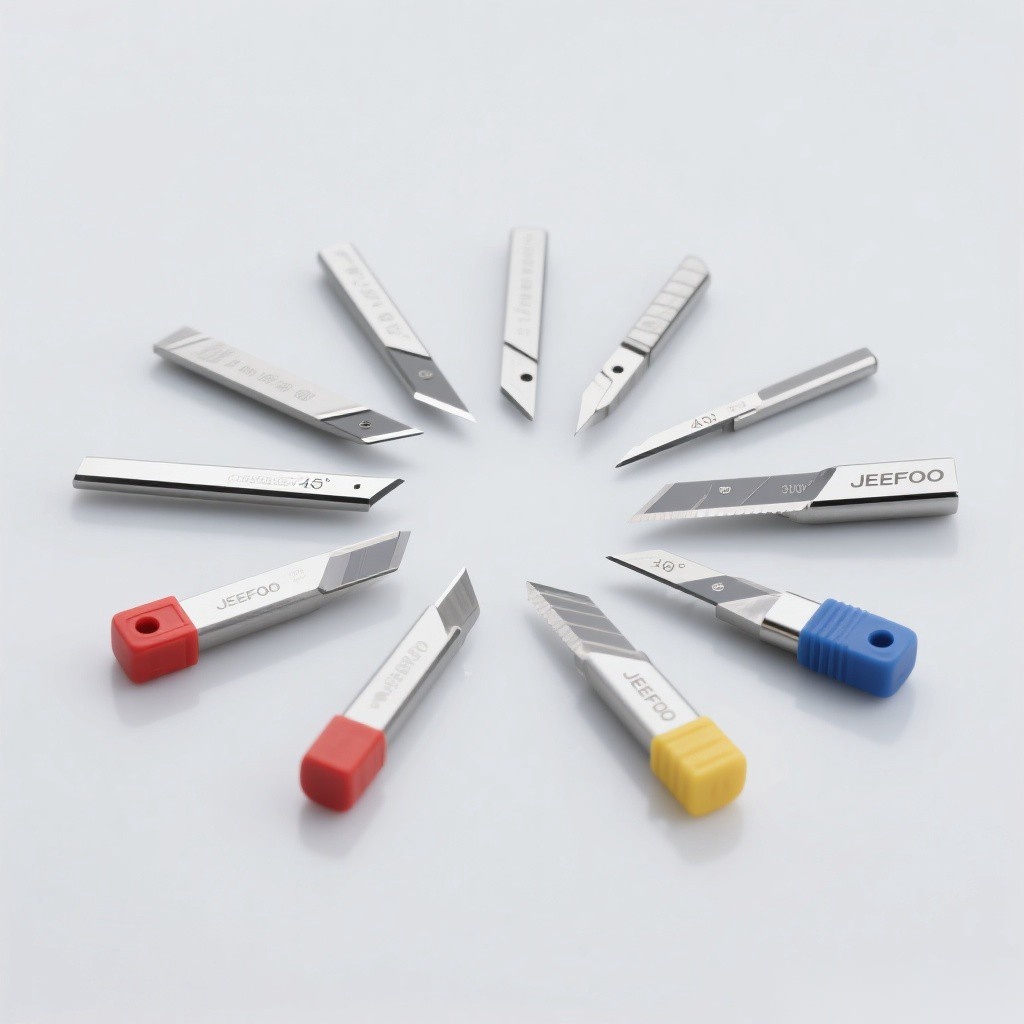
Straight Tooth Router Bit Guide: a straight-tooth router bit uses cutting edges aligned mainly with the tool axis to produce profiles, slots, pockets, trimming cuts, and square-bottom features. It is simple and versatile, but chip evacuation, edge quality, and cutting force depend strongly on flute count, material, feed, speed, and depth.
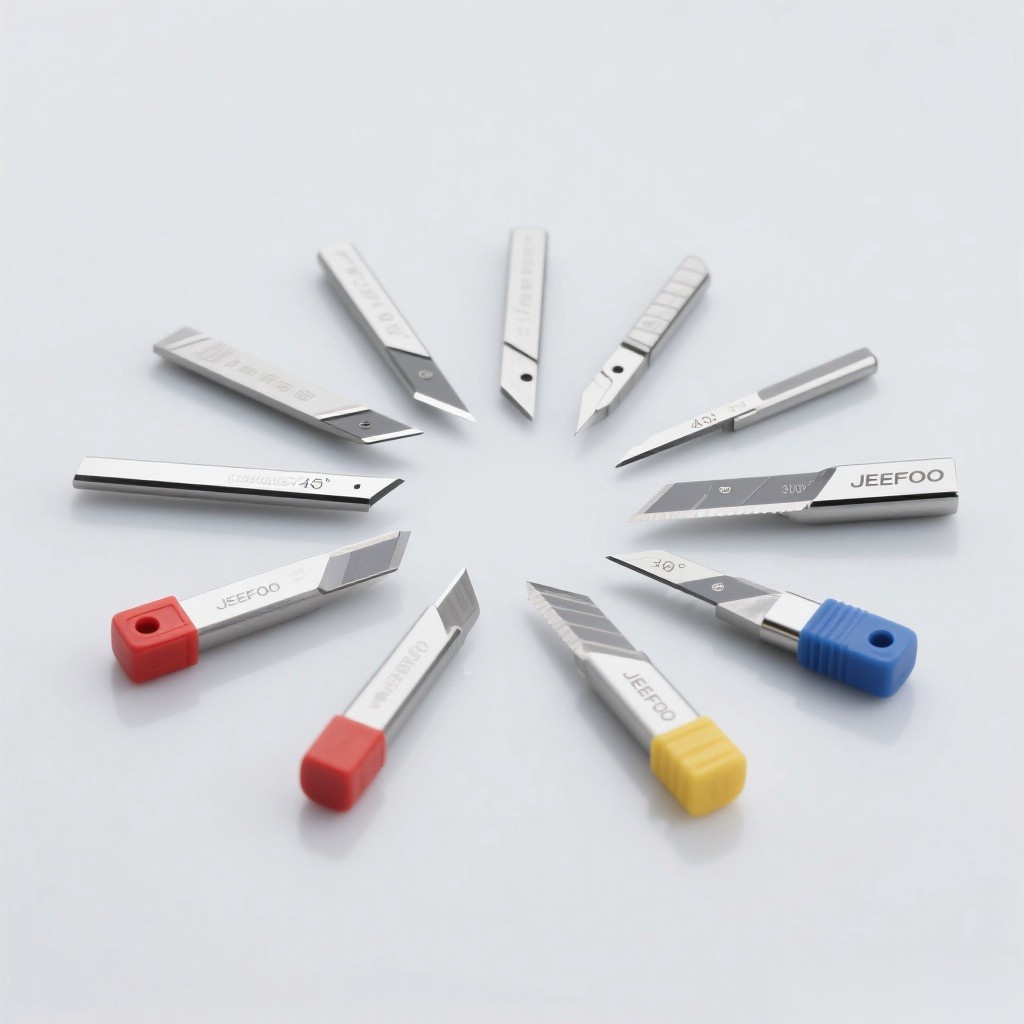
Table of Contents
Straight Tooth Router Bit Guide: Quick Answer
Choose a straight-tooth bit when you need a direct cutting geometry for grooves, pockets, trimming, or panel machining and the chip-clearance strategy is adequate. Match cutter diameter, flute length, edge material, flute count, and cutting parameters to the workpiece and machine.
Seven Common Uses
- Straight grooves: produces channels with relatively straight walls and flat bottoms.
- Pocketing: removes material inside bounded features with suitable stepdown and stepover.
- Profile cutting: follows internal or external contours in sheet and block materials.
- Edge trimming: brings panels or laminates to final size with controlled engagement.
- Mortises and recesses: creates joinery features when diameter and reach fit the design.
- Drill-ramping: enters material using a ramp or helix when the cutter supports axial cutting.
- General CNC routing: machines compatible wood, plastic, composite, and nonferrous workpieces.
Straight Tooth vs Spiral Geometry
Straight teeth apply less axial lifting or downward force than aggressive spiral geometry, which can help some workholding situations. Spiral tools often evacuate chips more directionally and may improve edge finish, but can lift or press the sheet depending on helix direction. Select according to top-edge quality, bottom-edge quality, chip flow, and holding method.
Choose Diameter, Flutes, and Reach
- Diameter: use the largest cutter that fits the smallest internal feature and machine power.
- Flute count: fewer flutes provide more chip space; more flutes can raise feed capacity when evacuation remains adequate.
- Flute length: keep it only as long as required for strength and lower deflection.
- Stick-out: minimize extension from the holder while maintaining fixture clearance.
- Shank: verify collet size, gripping length, and holder compatibility.
Tool Material and Edge Selection
Solid carbide offers rigidity and wear resistance for productive routing. Carbide-tipped tools can be economical at larger diameters. High-speed steel provides toughness and easy custom grinding at moderate speed. Polished sharp edges help nonferrous metals and plastics, while tougher edge preparation supports abrasive or impact-prone applications.
Feeds, Speeds, and Chip Evacuation
Start with the tool maker’s chip-load range. Feed equals spindle speed × flute count × chip load. Avoid rubbing from feed that is too low and overload from engagement that is too high. Use suitable dust extraction, air blast, or coolant to prevent chip recutting, burning, welding, or melting.
Setup Checklist
- Confirm workpiece, cutter material, diameter, flute count, length, and maximum speed.
- Inspect cutting edges for wear, chips, buildup, and coating loss.
- Clean the collet and shank, minimize stick-out, and check runout.
- Secure the workpiece and verify clearance, tabs, vacuum, or fixture strategy.
- Use a ramp or entry method approved for the cutter geometry.
- Run a test cut and inspect chips, sound, load, edge quality, heat, and dimensions.
Troubleshooting Cut Quality
- Burning: sharpen or replace the bit, improve feed and extraction, or reduce heat.
- Chatter: shorten stick-out, improve workholding, reduce engagement, and check runout.
- Rough edges: inspect edge condition, cutting direction, chip recutting, and material support.
- Tool breakage: reduce load, verify entry method, increase rigidity, and confirm cutter suitability.
- Melting plastic: improve chip load and evacuation while controlling spindle speed and heat.
Maintenance and Safety
Clean resin or plastic buildup with an approved method, inspect edges and shank, and replace a damaged cutter before failure. Store tools separately. Use guarding, eye protection, dust or chip control, and manufacturer-approved speed limits. Never touch or measure a rotating bit.
References and Tool Support
Review general router machining principles, then confirm parameters with the exact cutter manufacturer. Visit JeeFoo Tools for straight-tooth router-bit selection support.
Frequently Asked Questions
What is a straight-tooth router bit used for?
It is commonly used for grooves, pockets, profiles, trimming, recesses, mortises, and general CNC routing.
How many flutes should I choose?
Choose fewer flutes for more chip space and more flutes only when the machine and evacuation system can support the higher feed capacity.
Why is the straight bit burning the workpiece?
Typical causes are a dull edge, low feed, excessive spindle speed, chip recutting, deep engagement, poor extraction, or tool runout.


发表回复
要发表评论,您必须先登录。